Women's Boots: Built for Canadian Sidewalks, Slush, and Everything Between
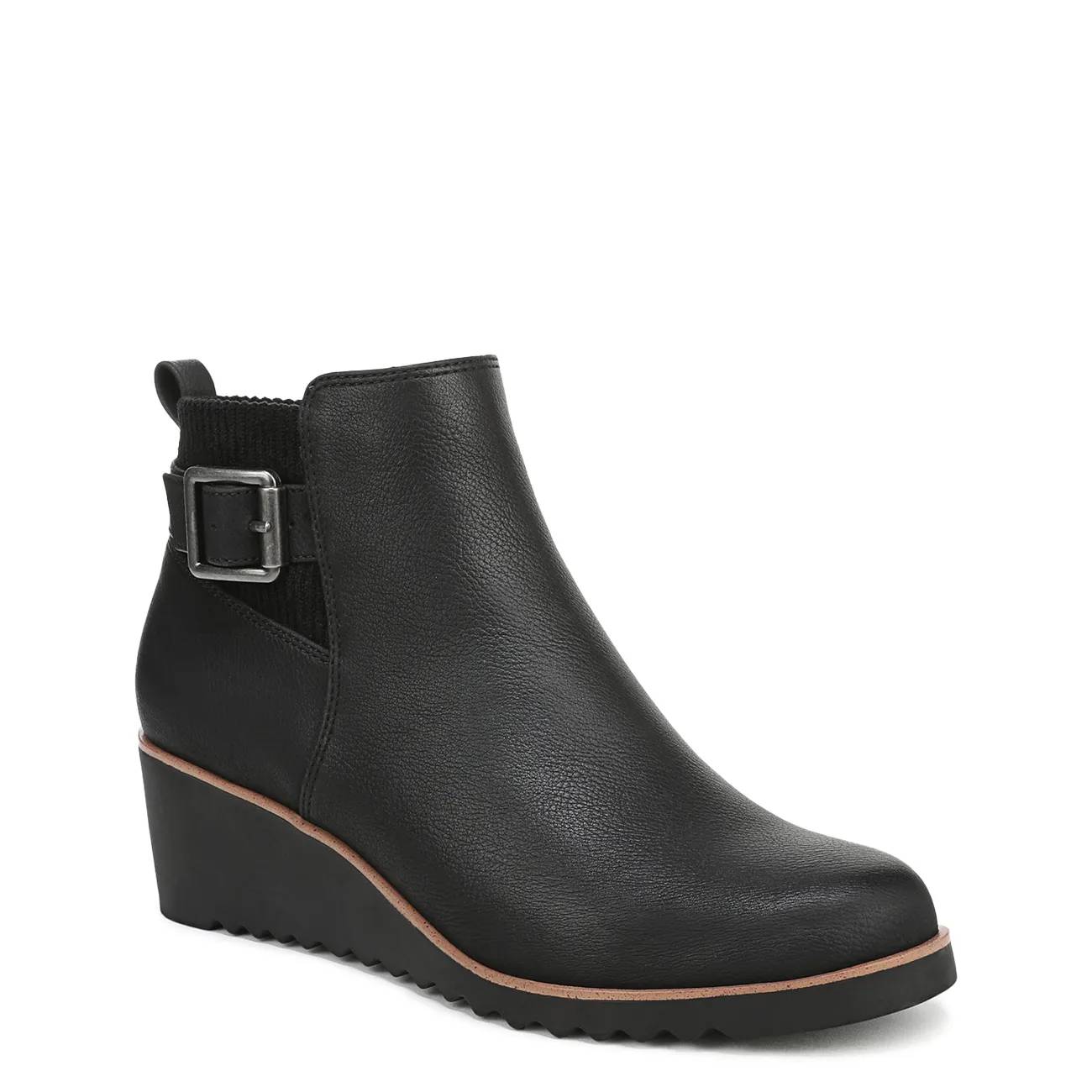
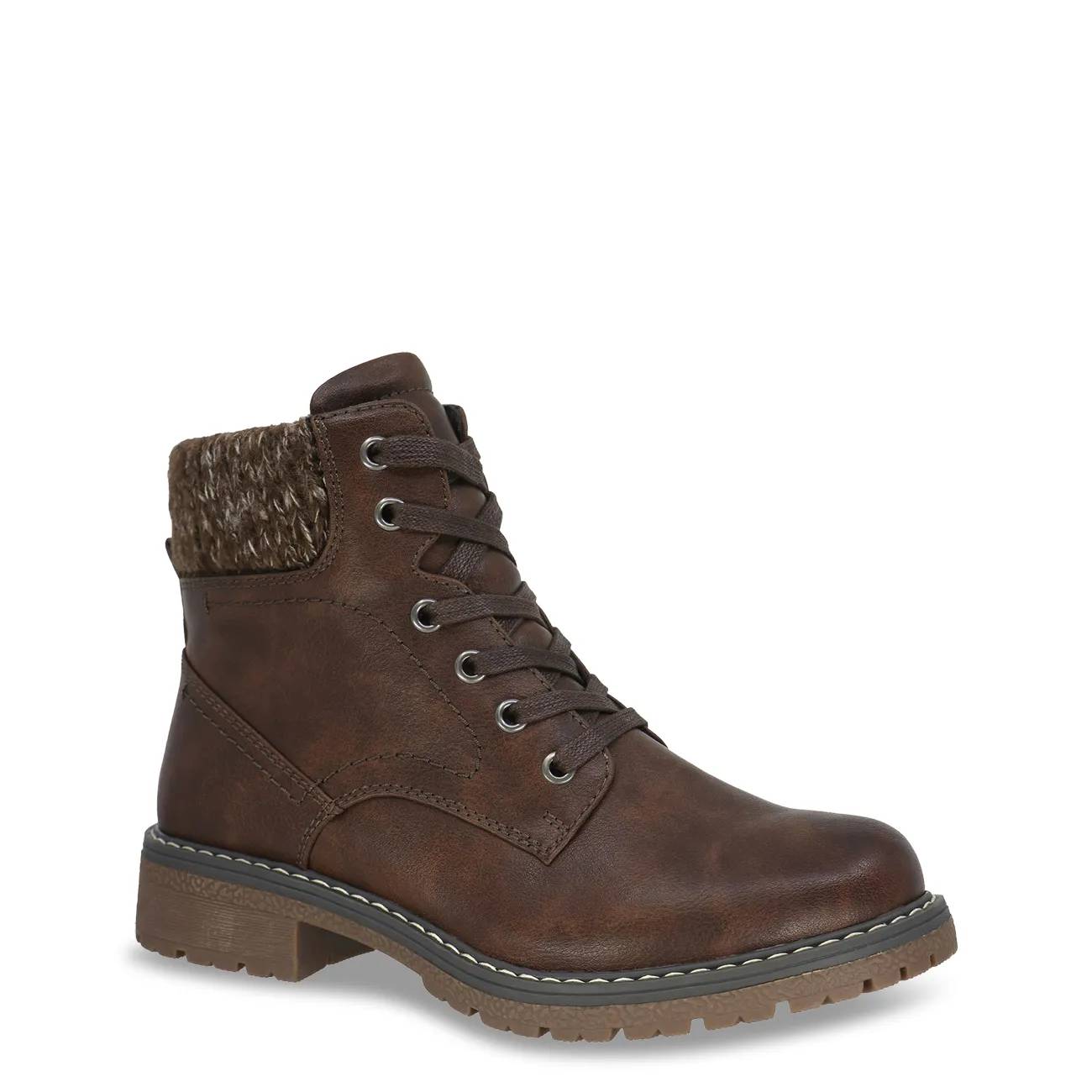
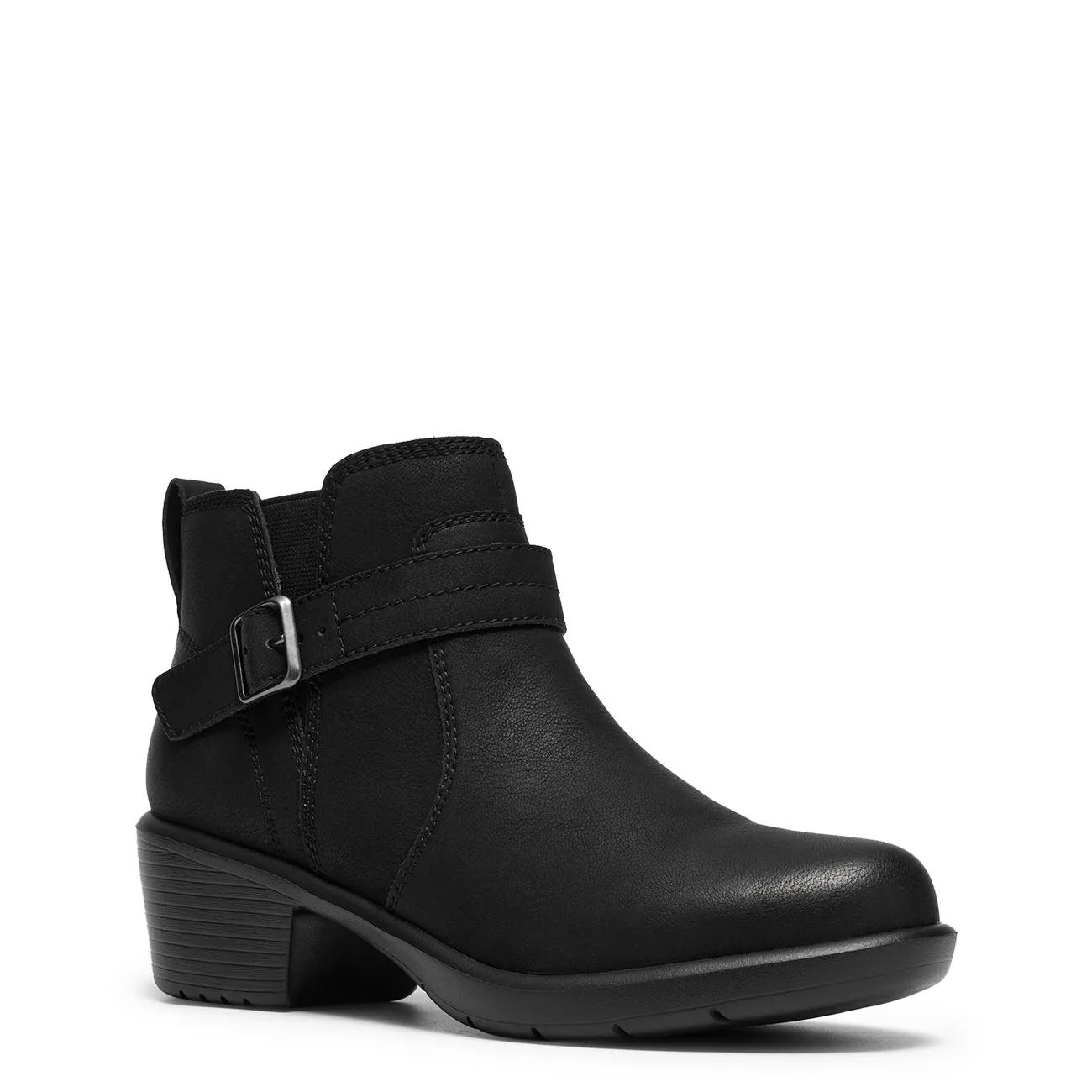
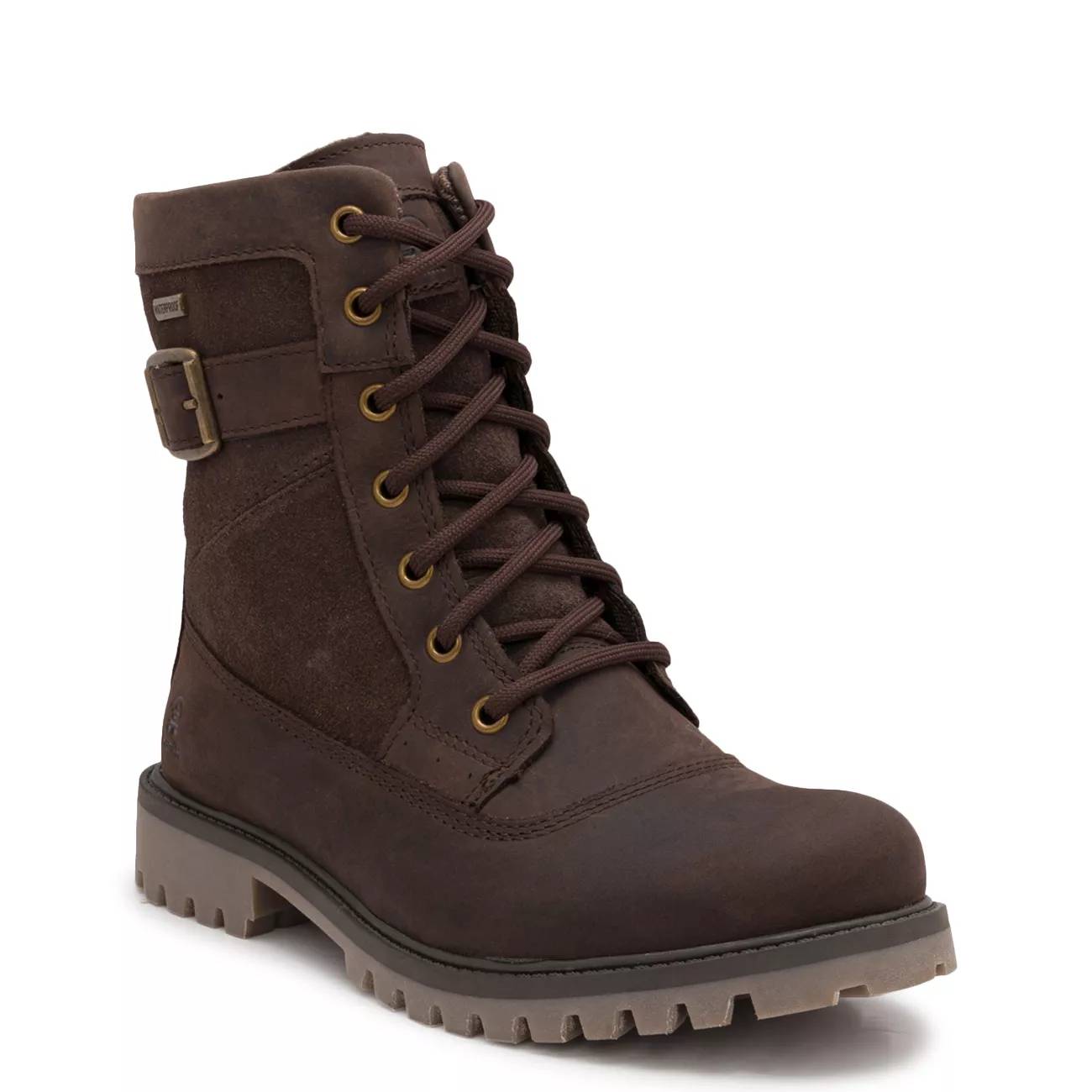
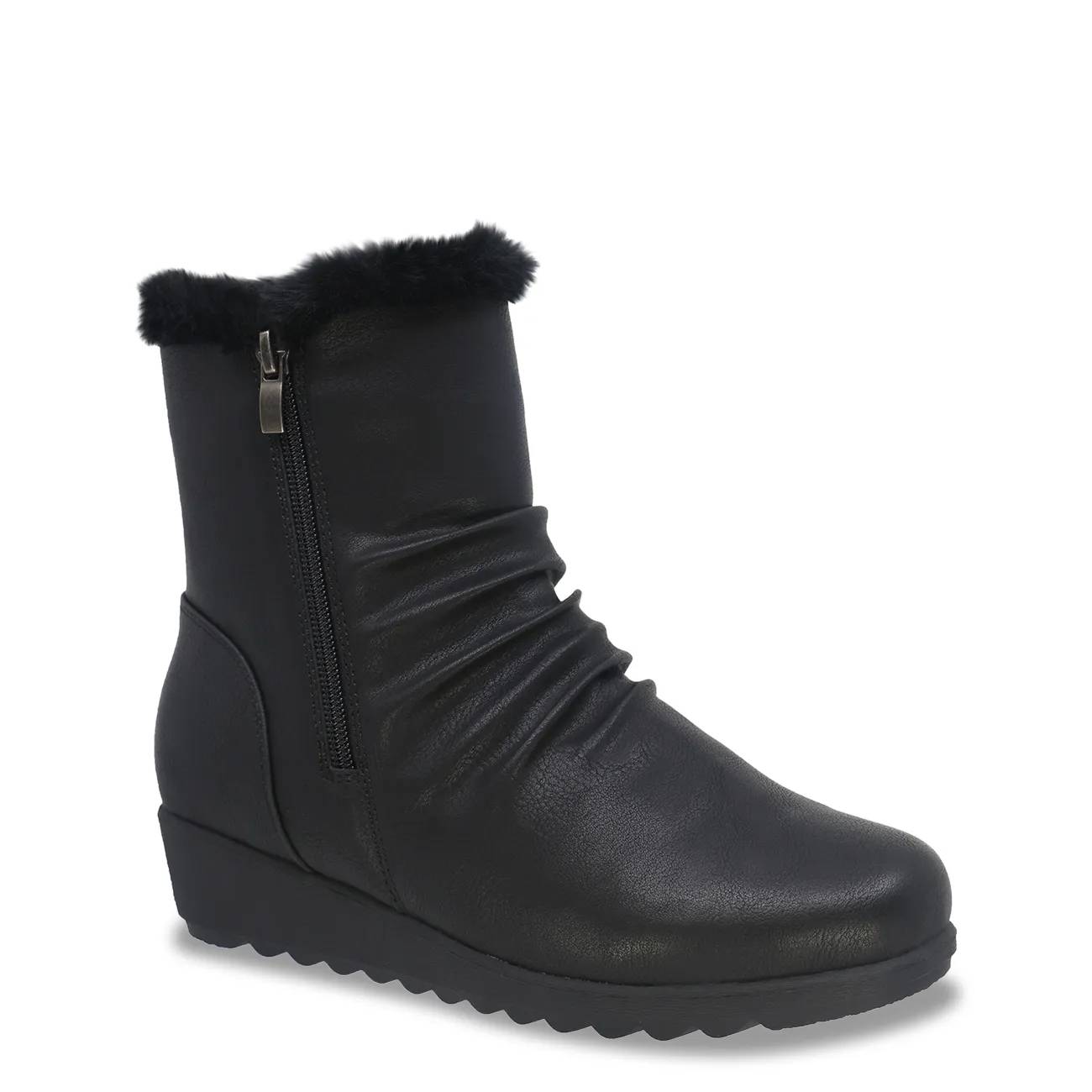
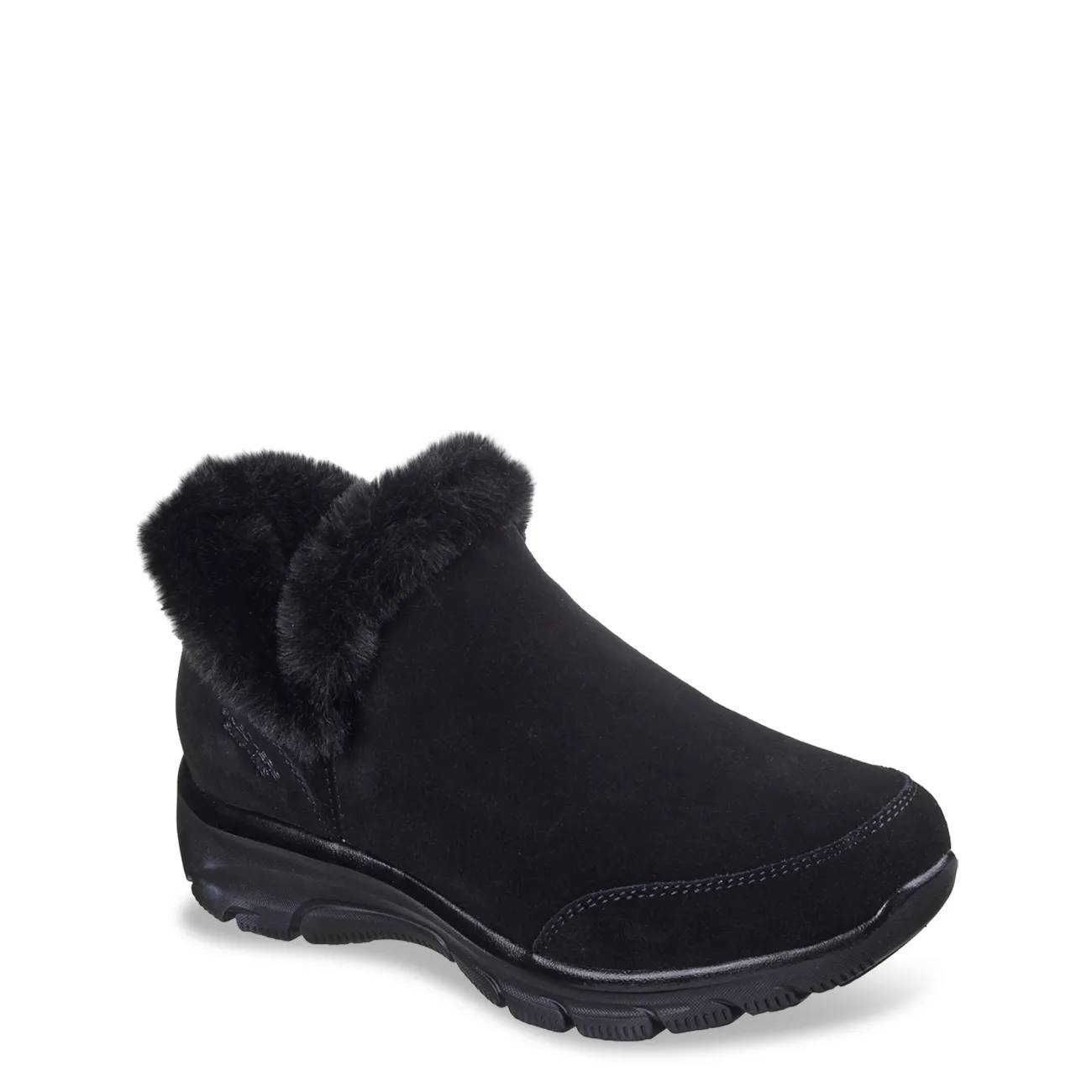
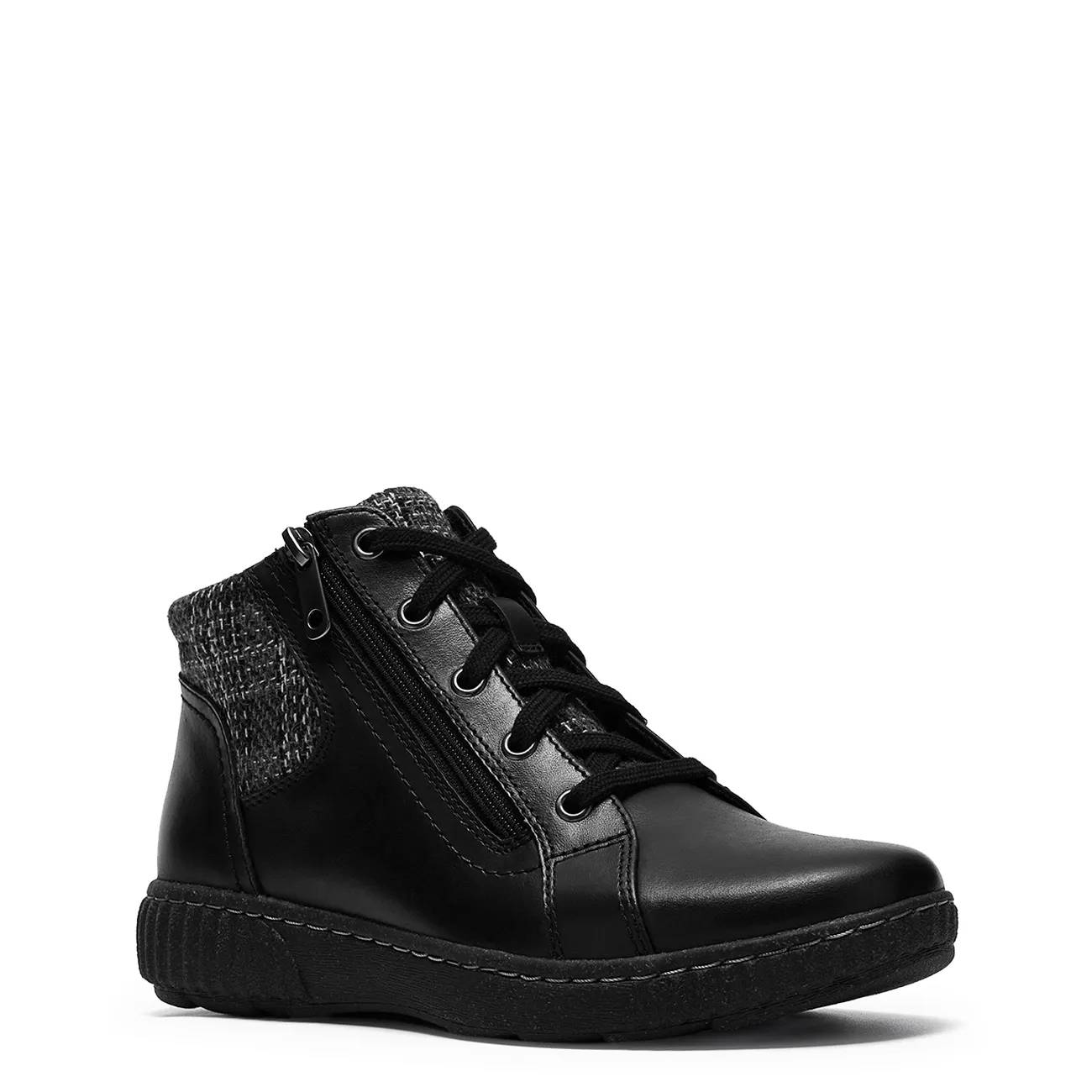
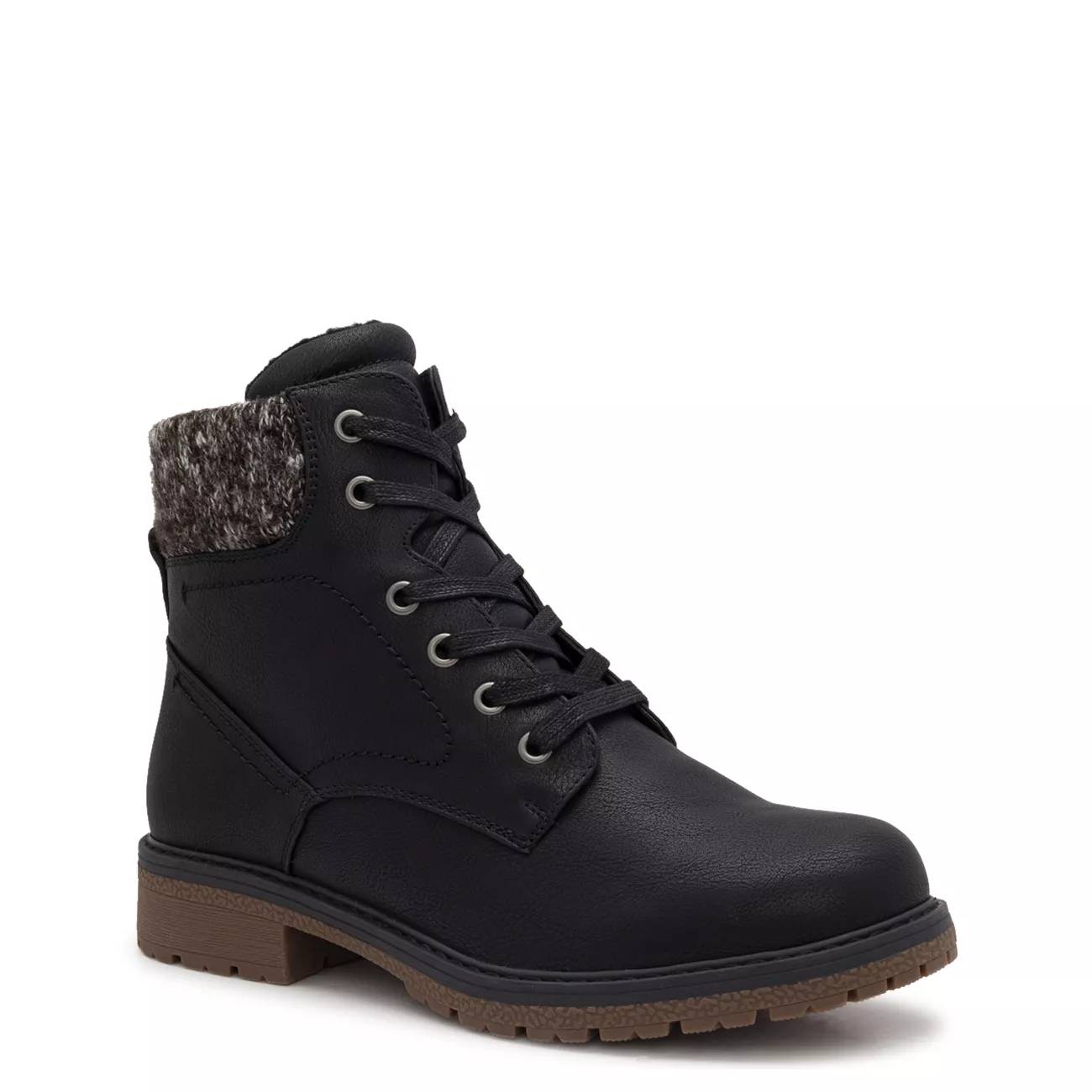
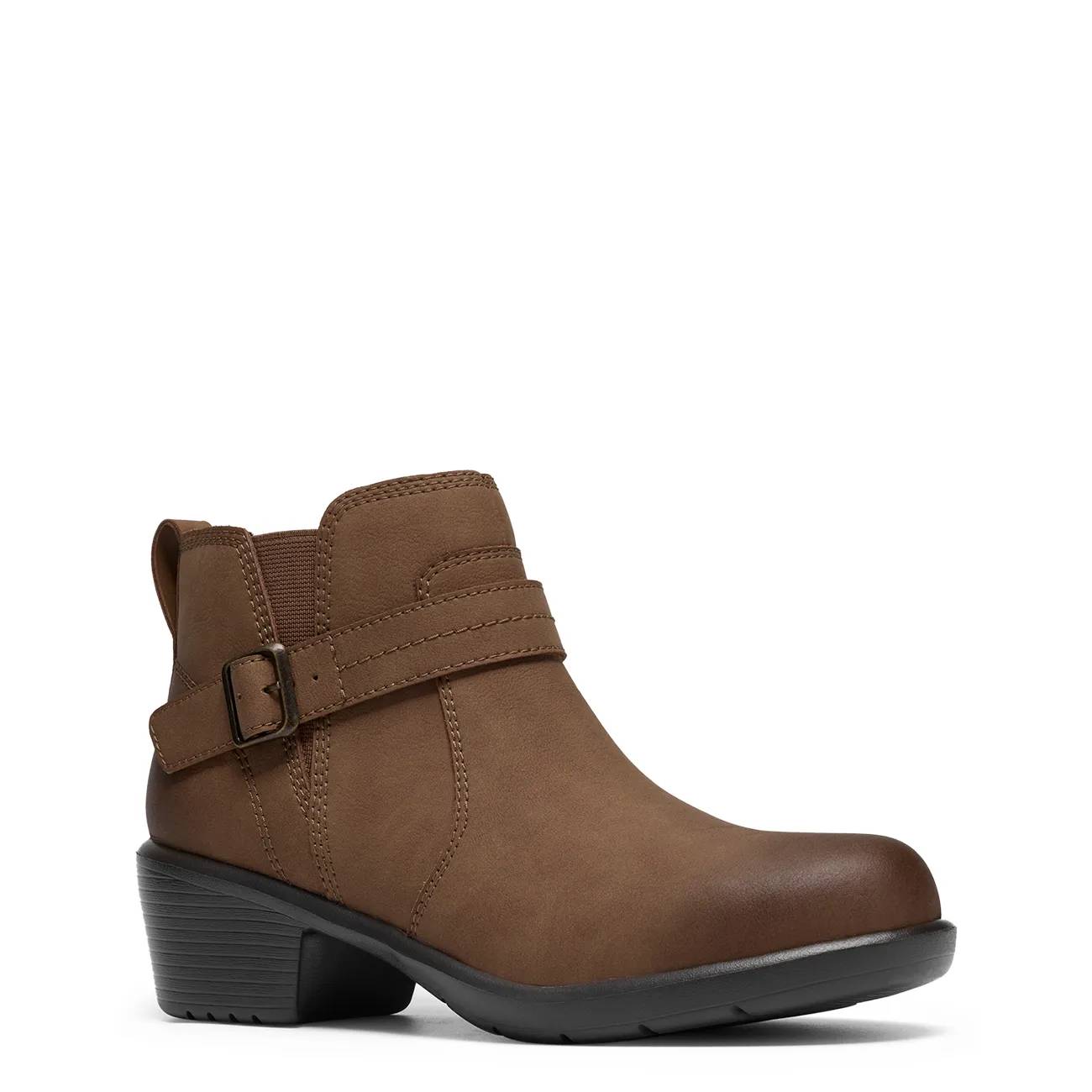
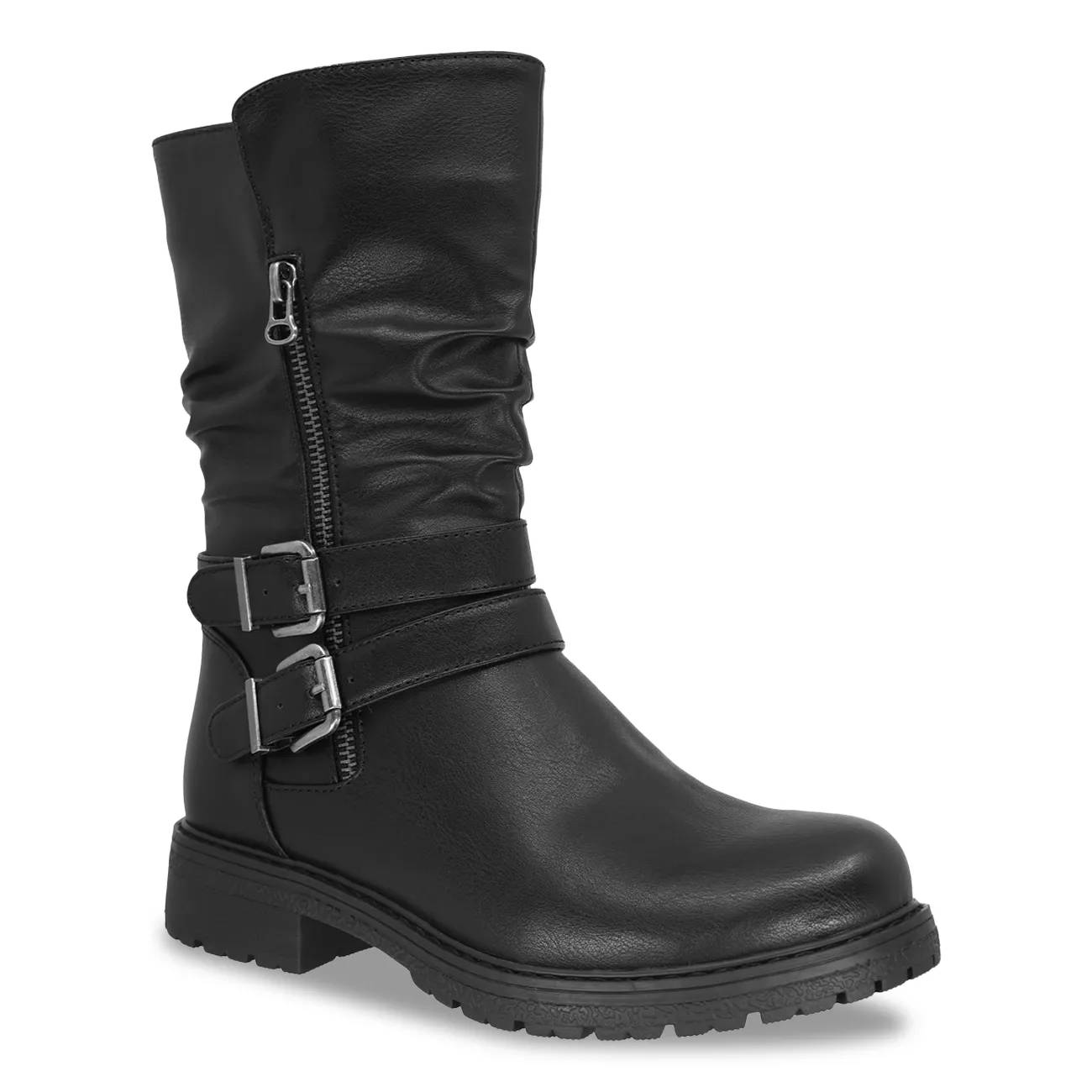
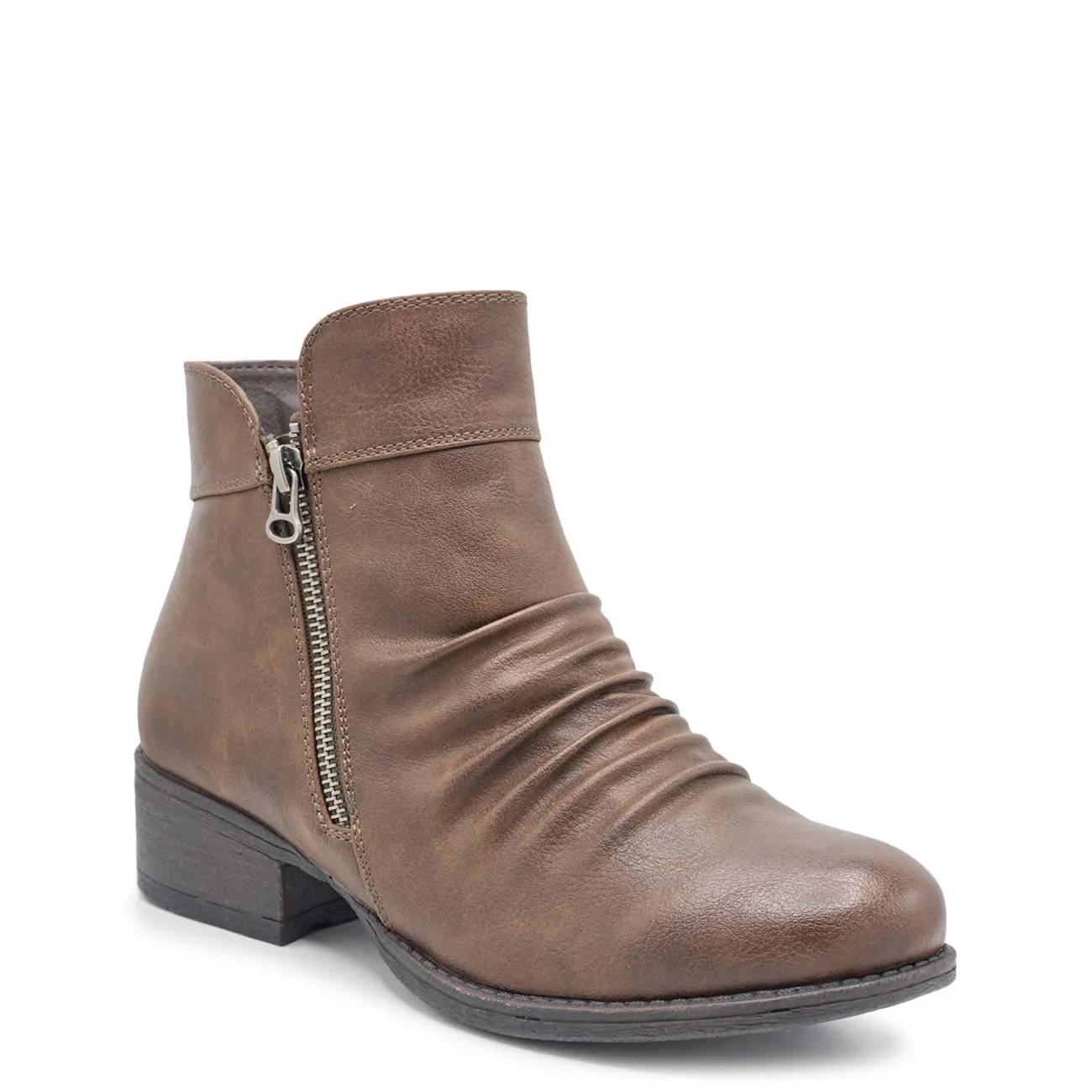
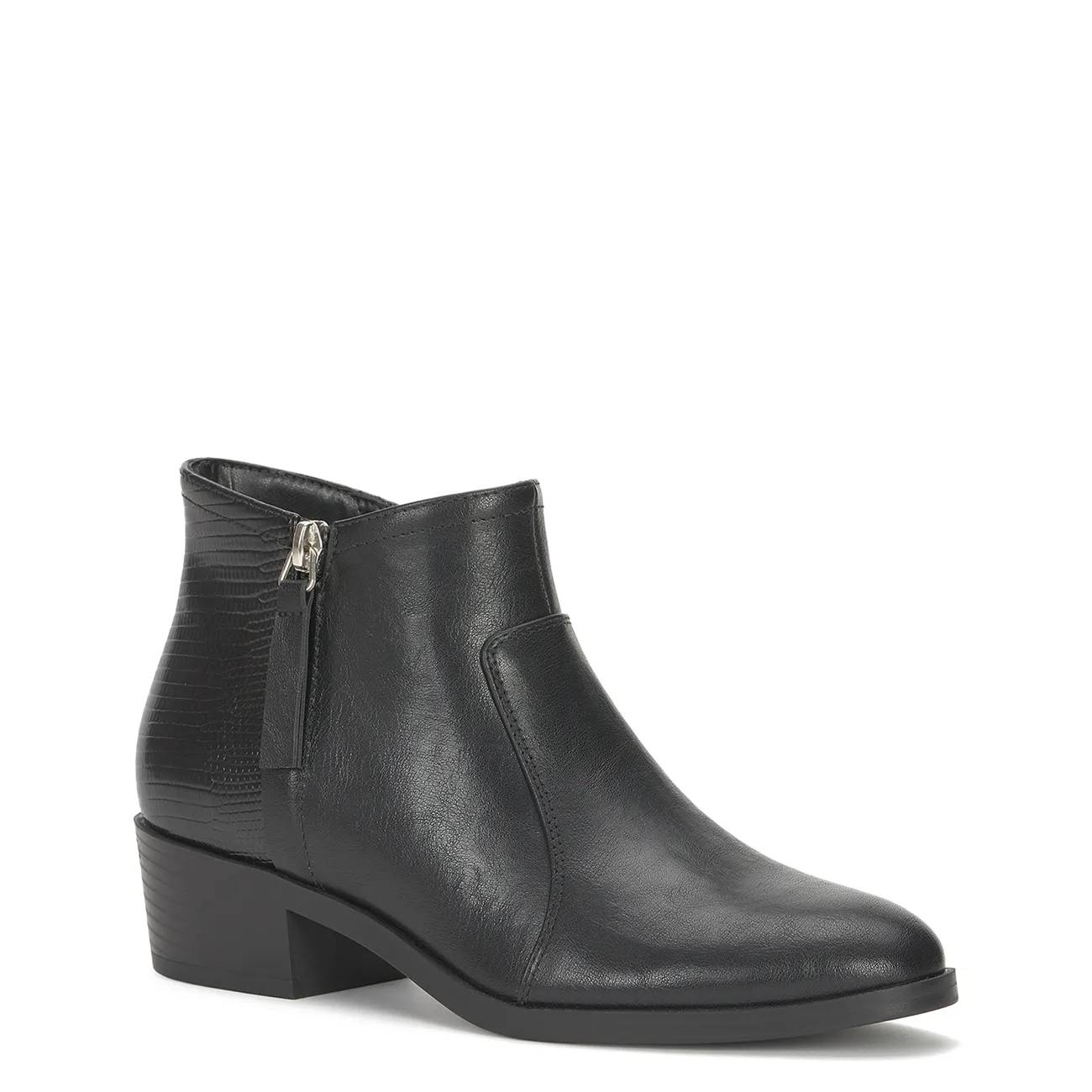
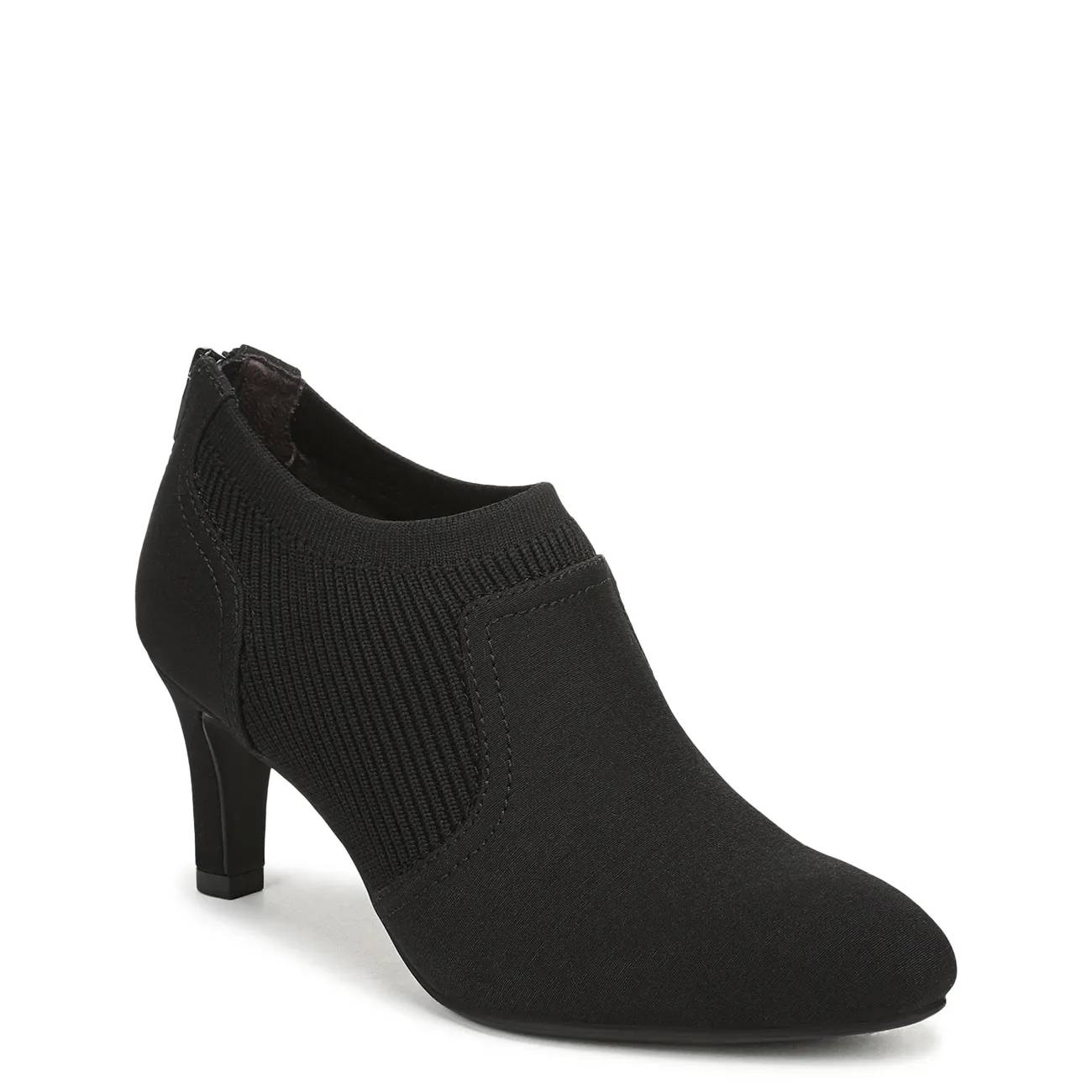
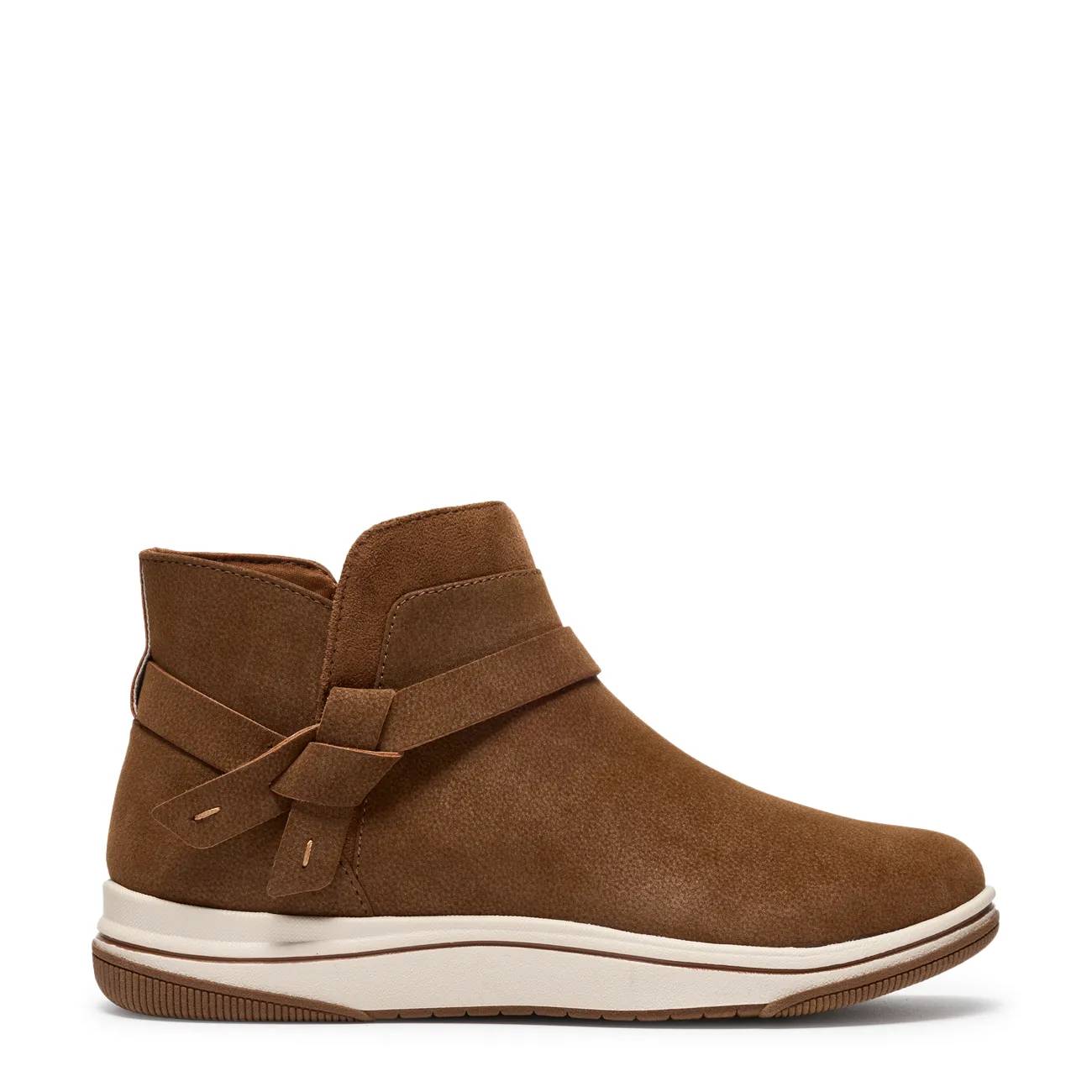
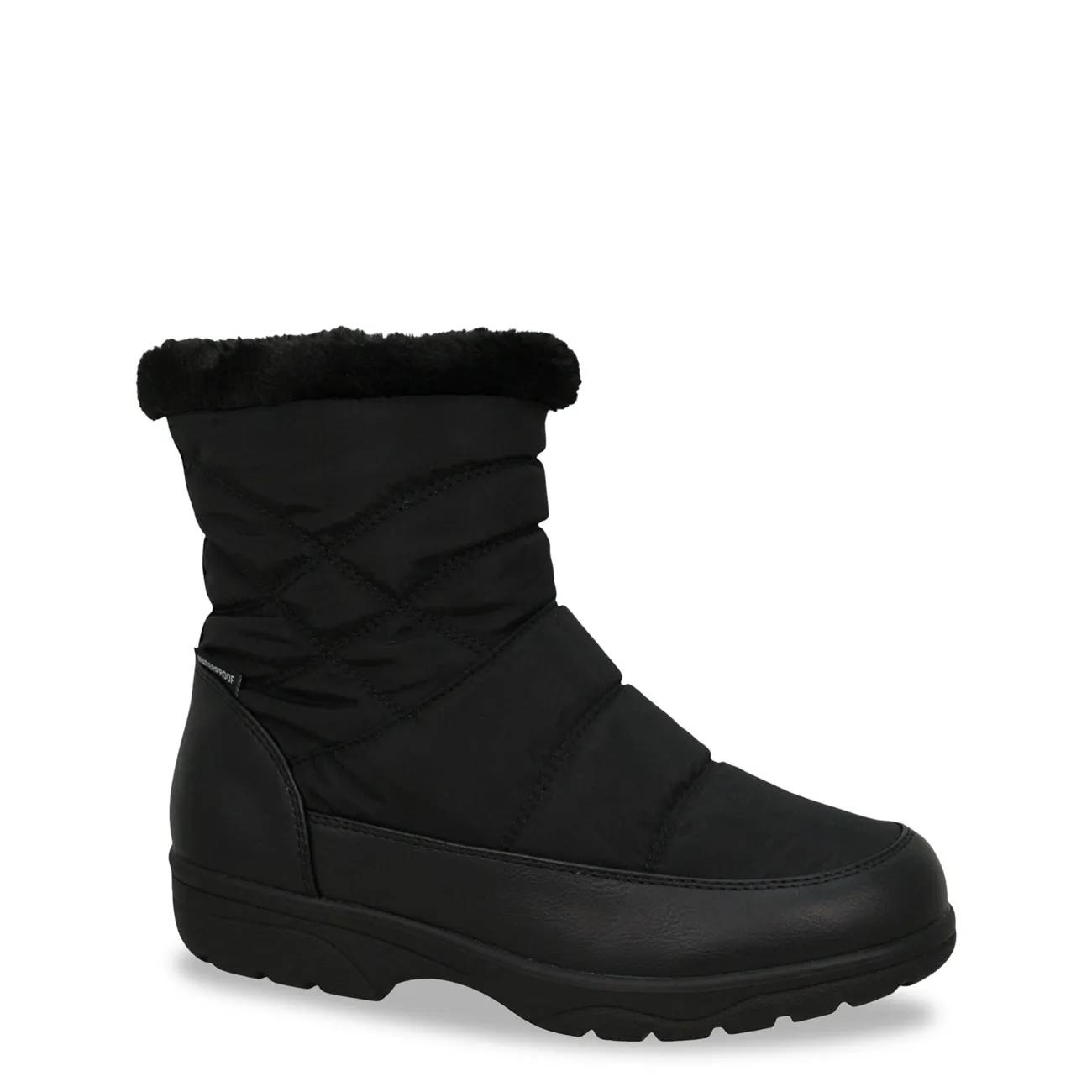
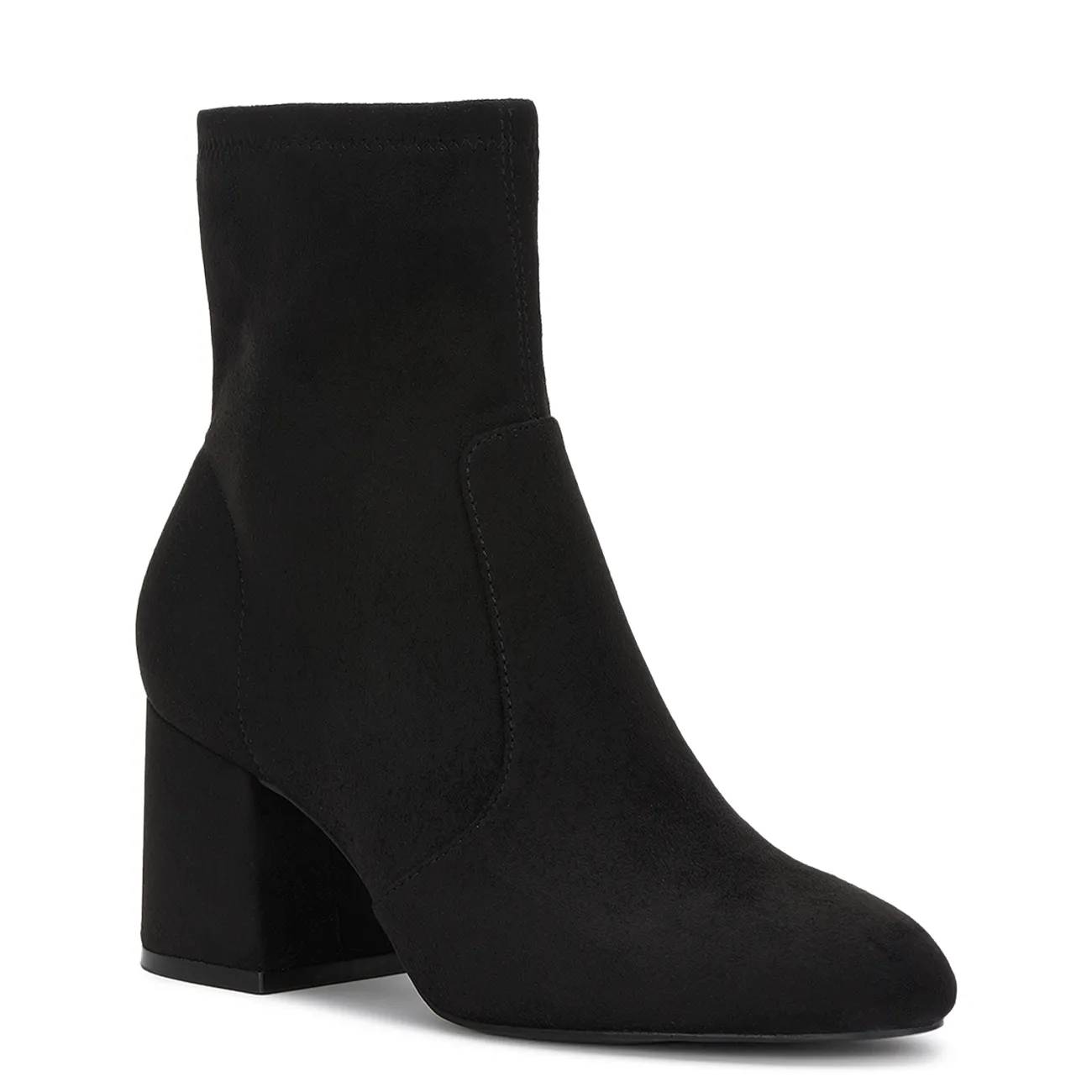
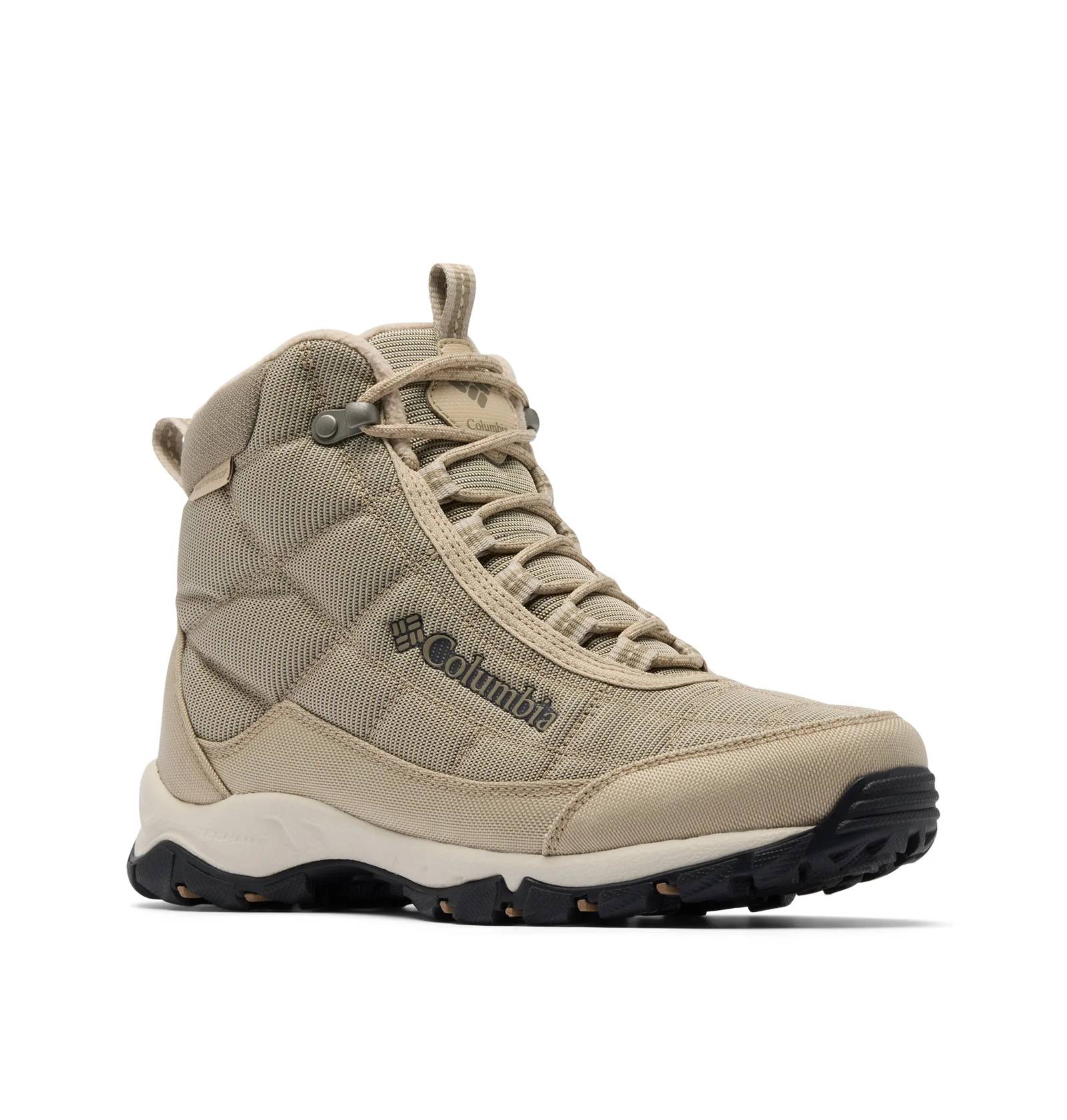
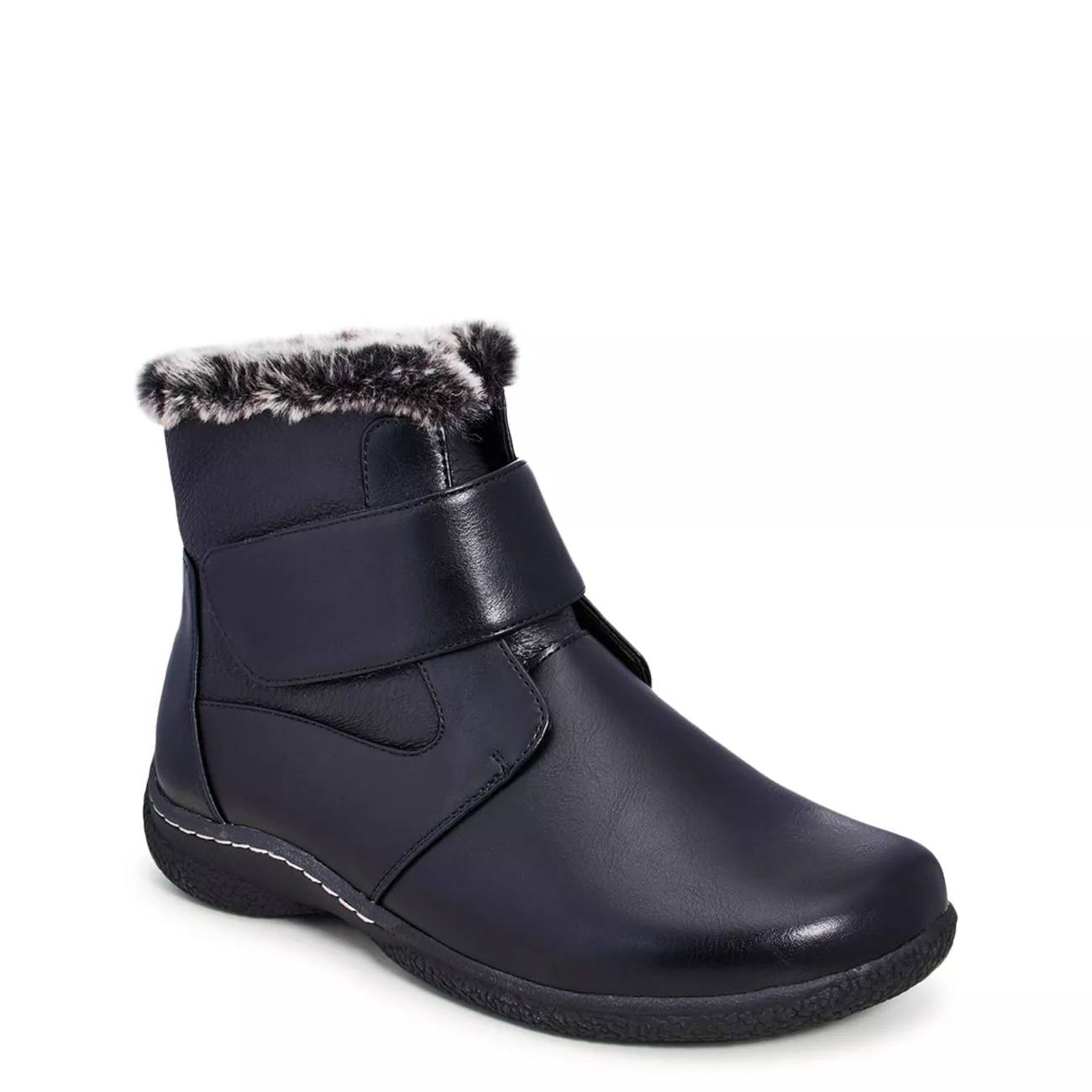
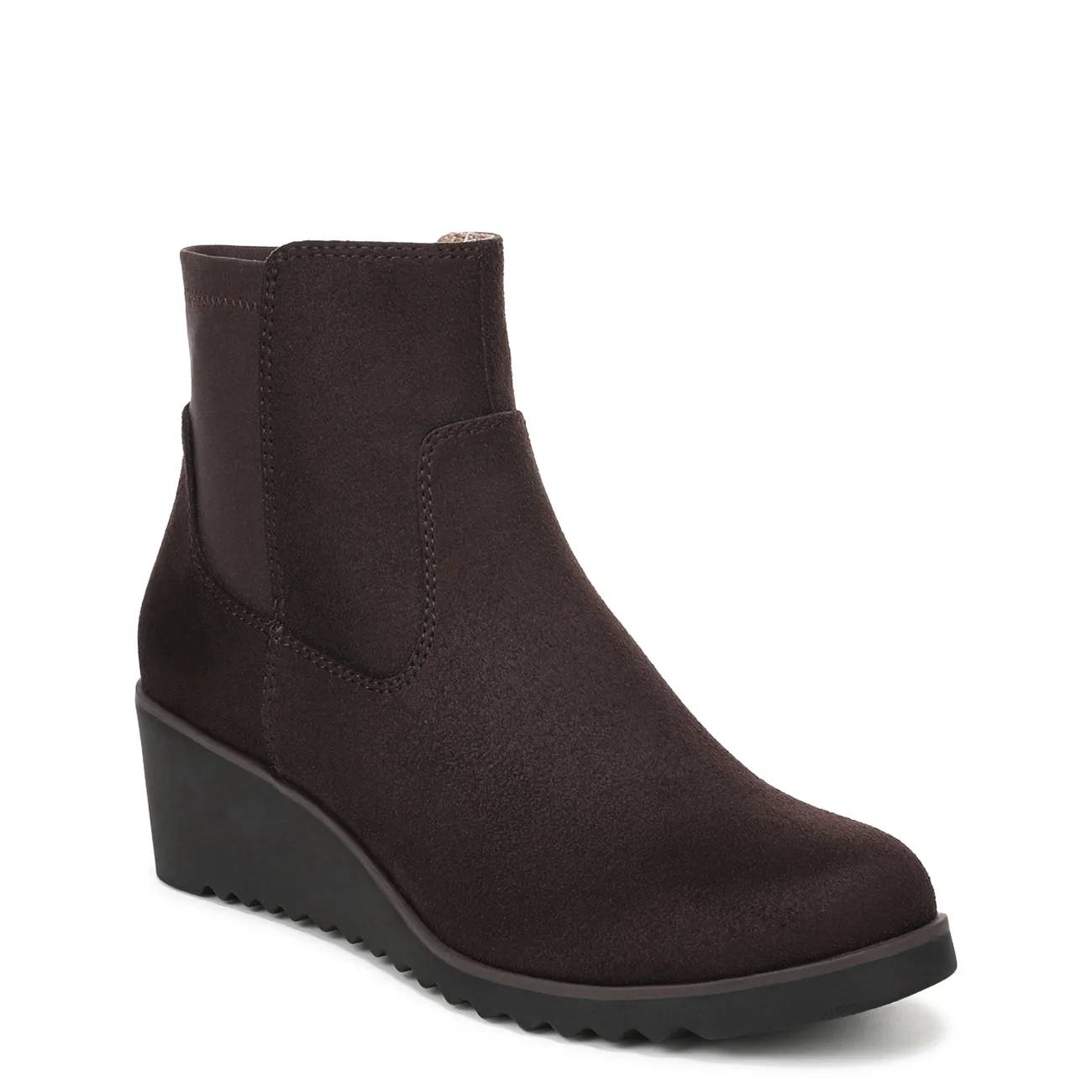
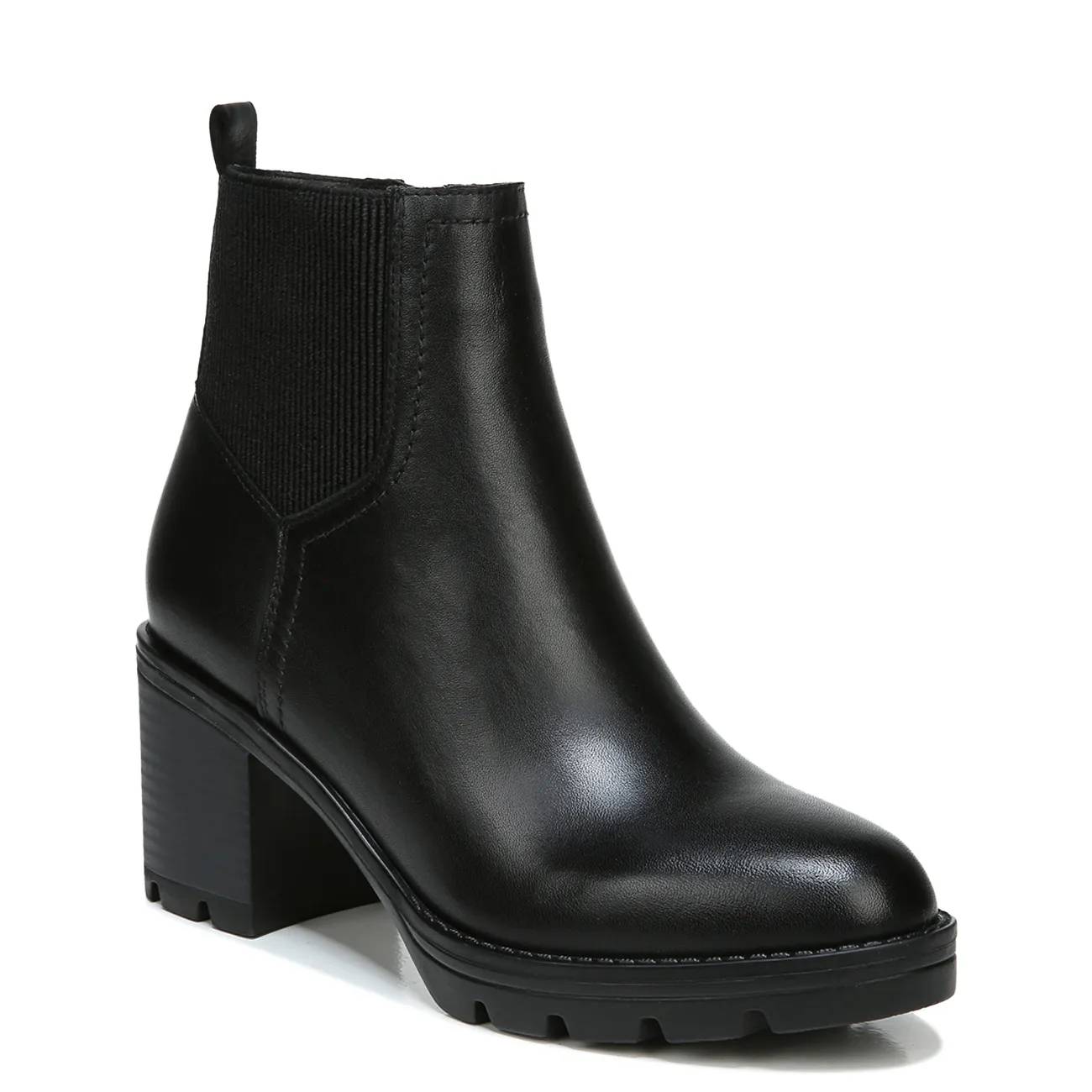
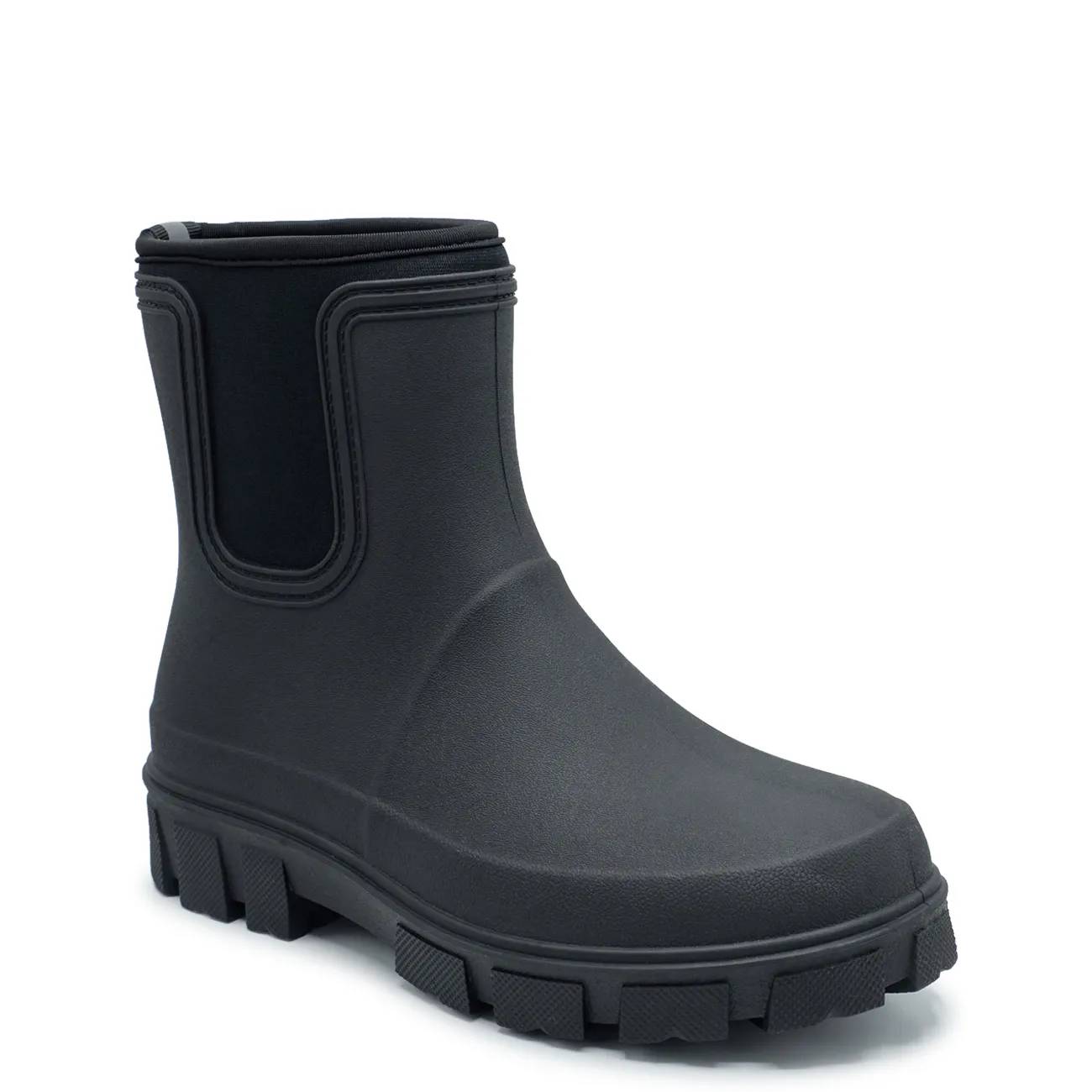
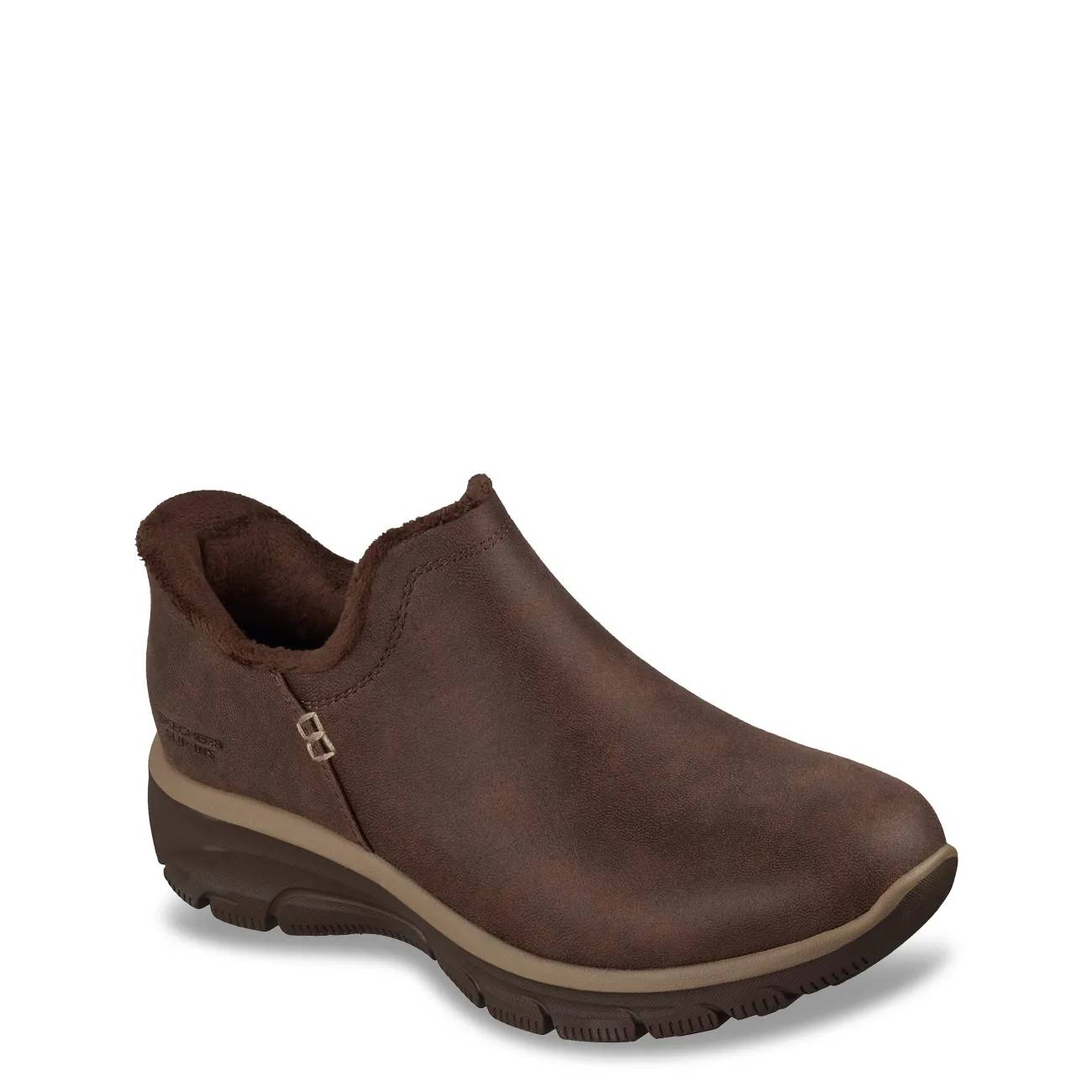
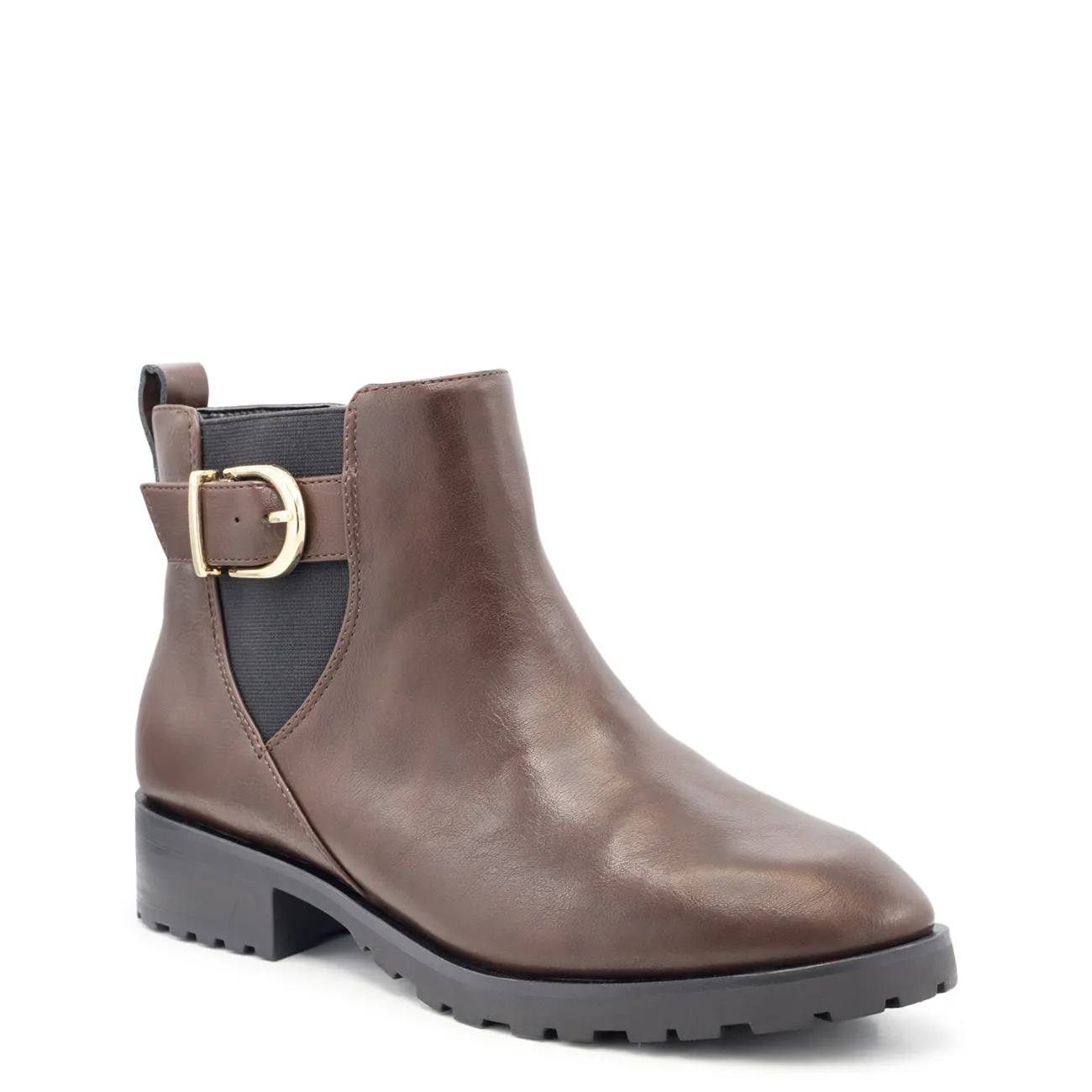
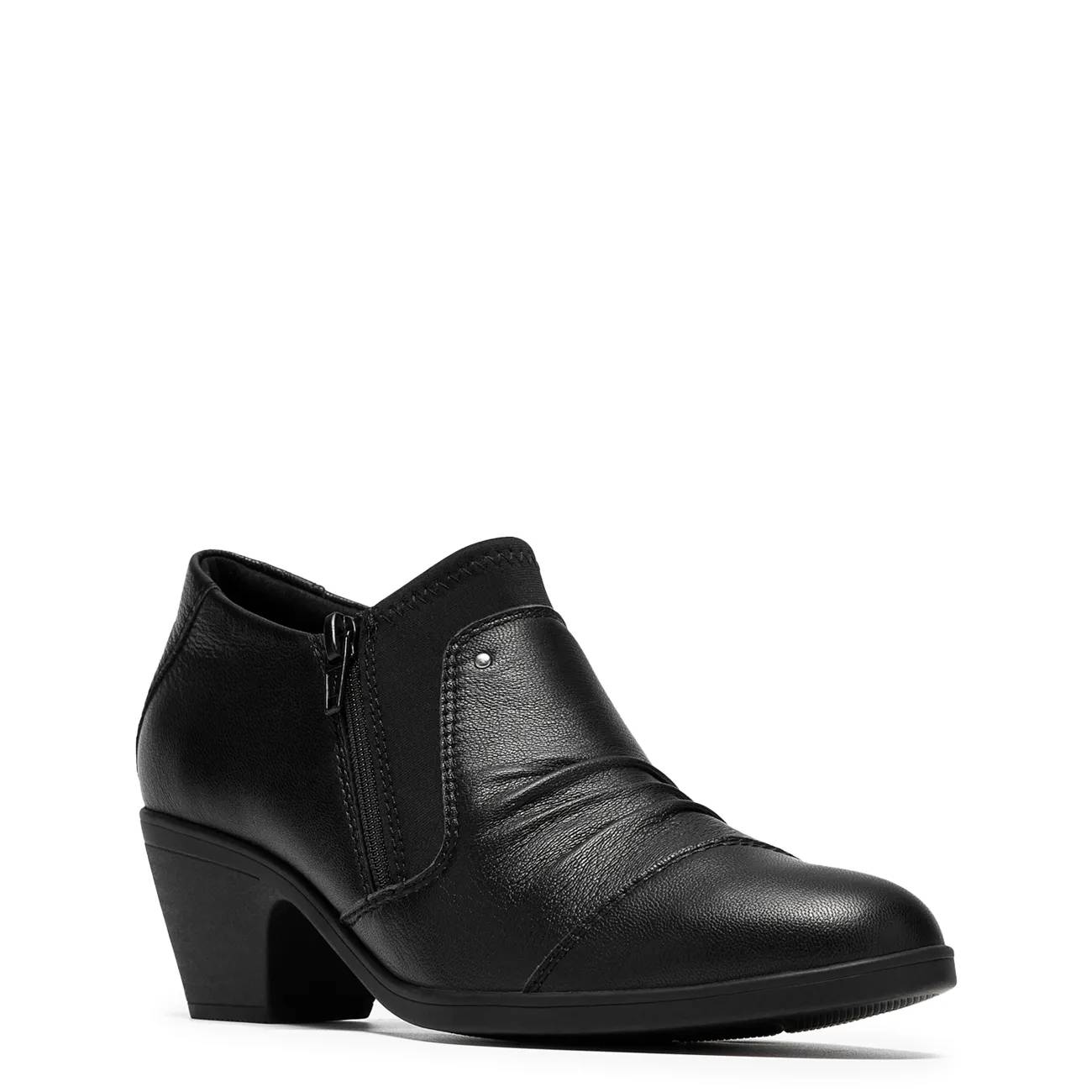
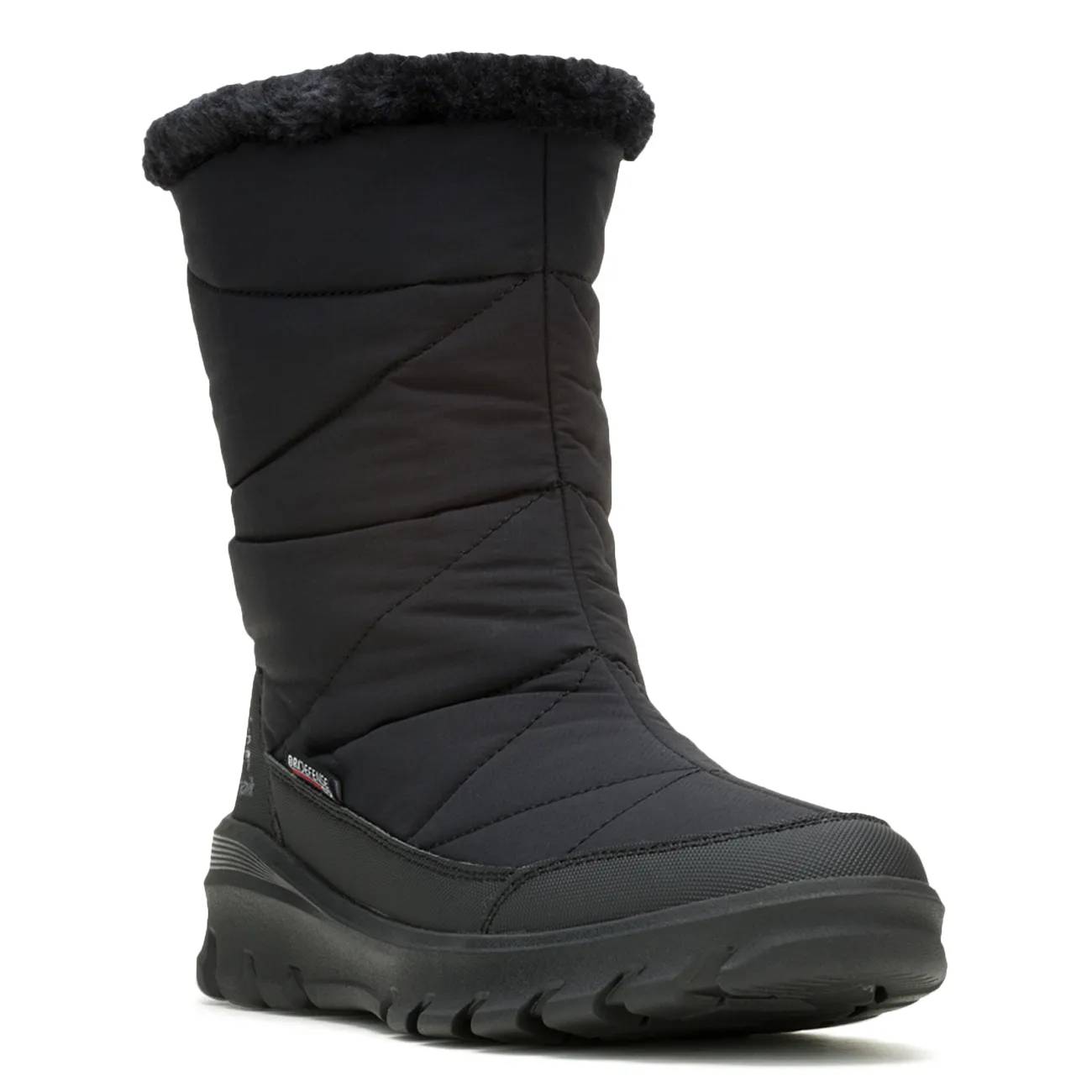
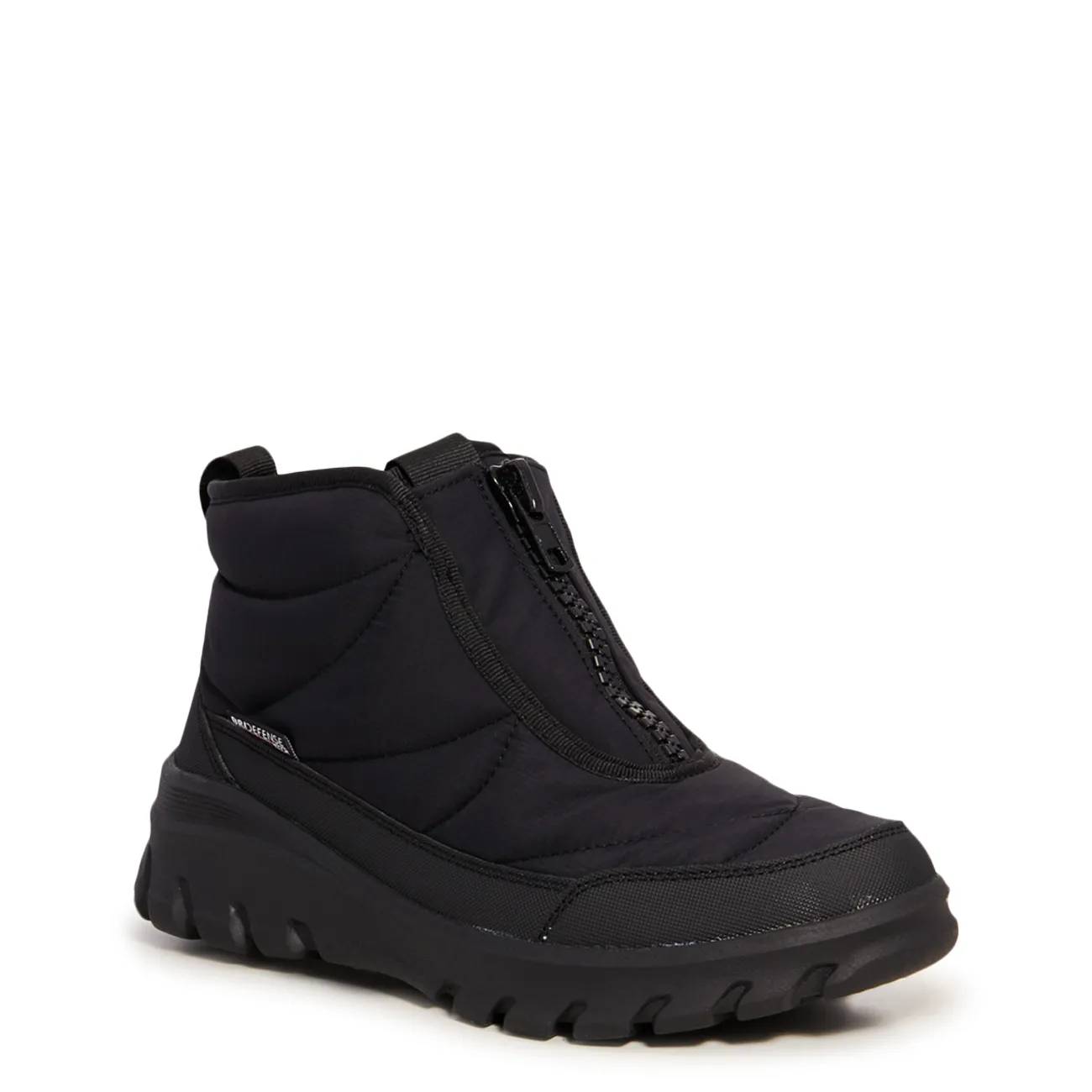
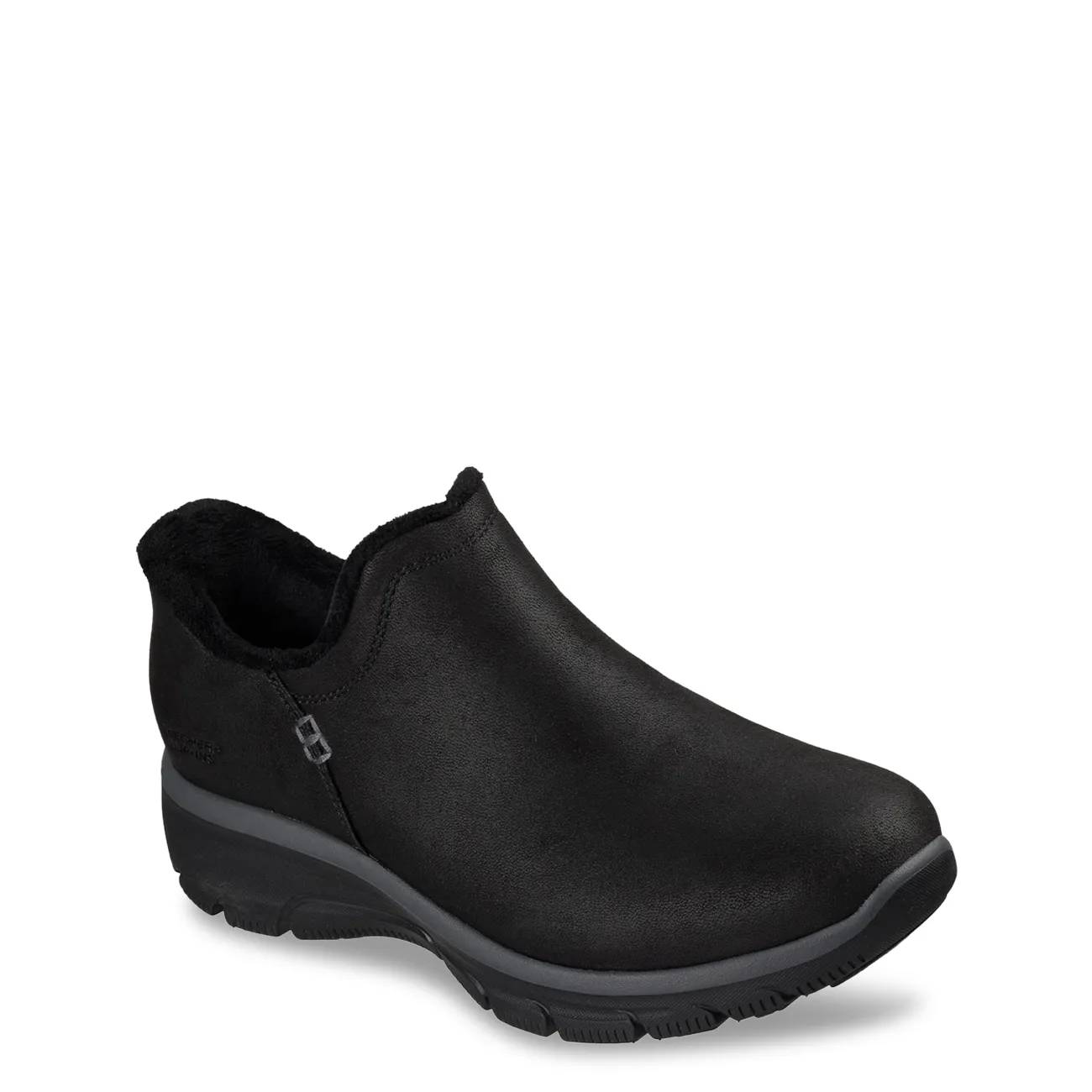
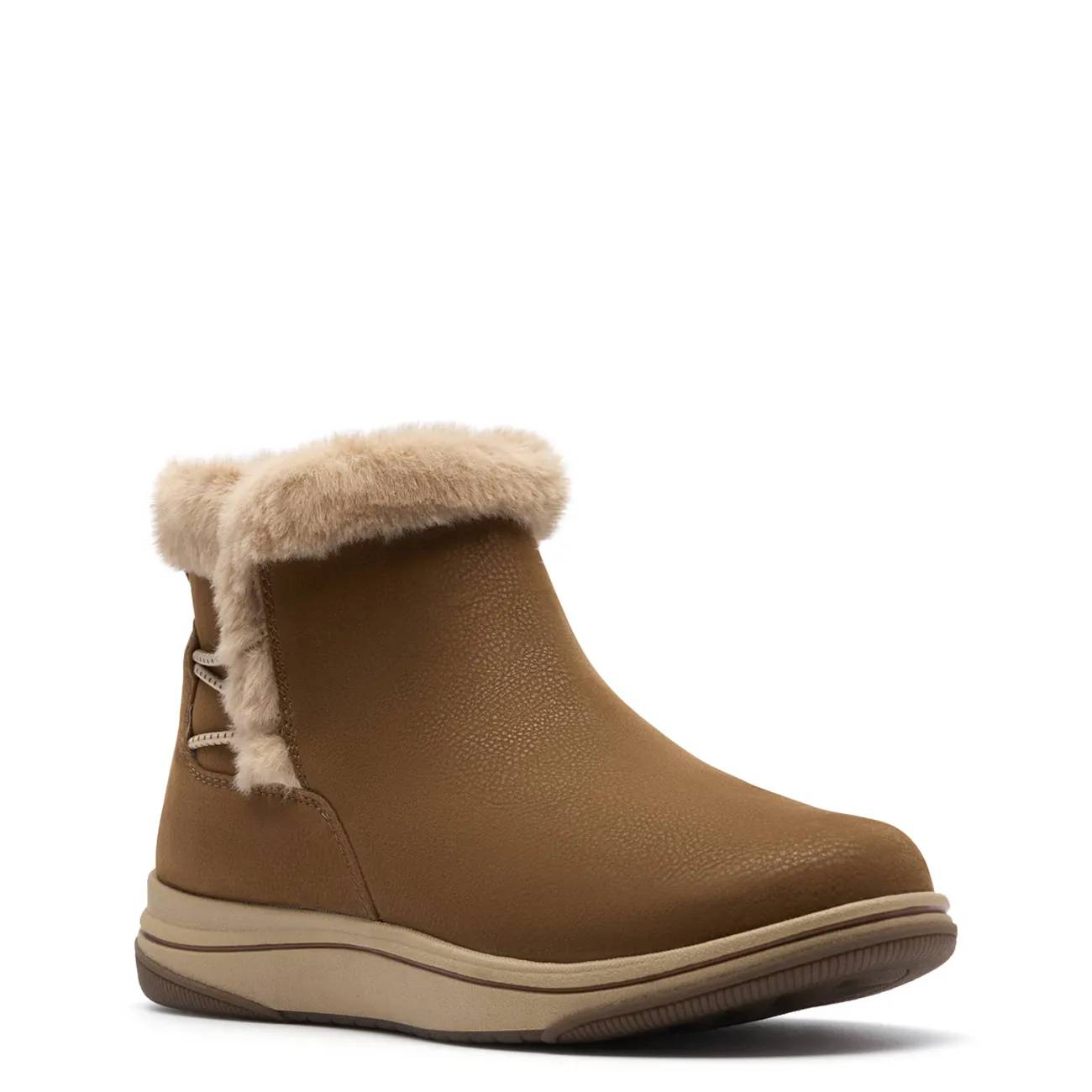
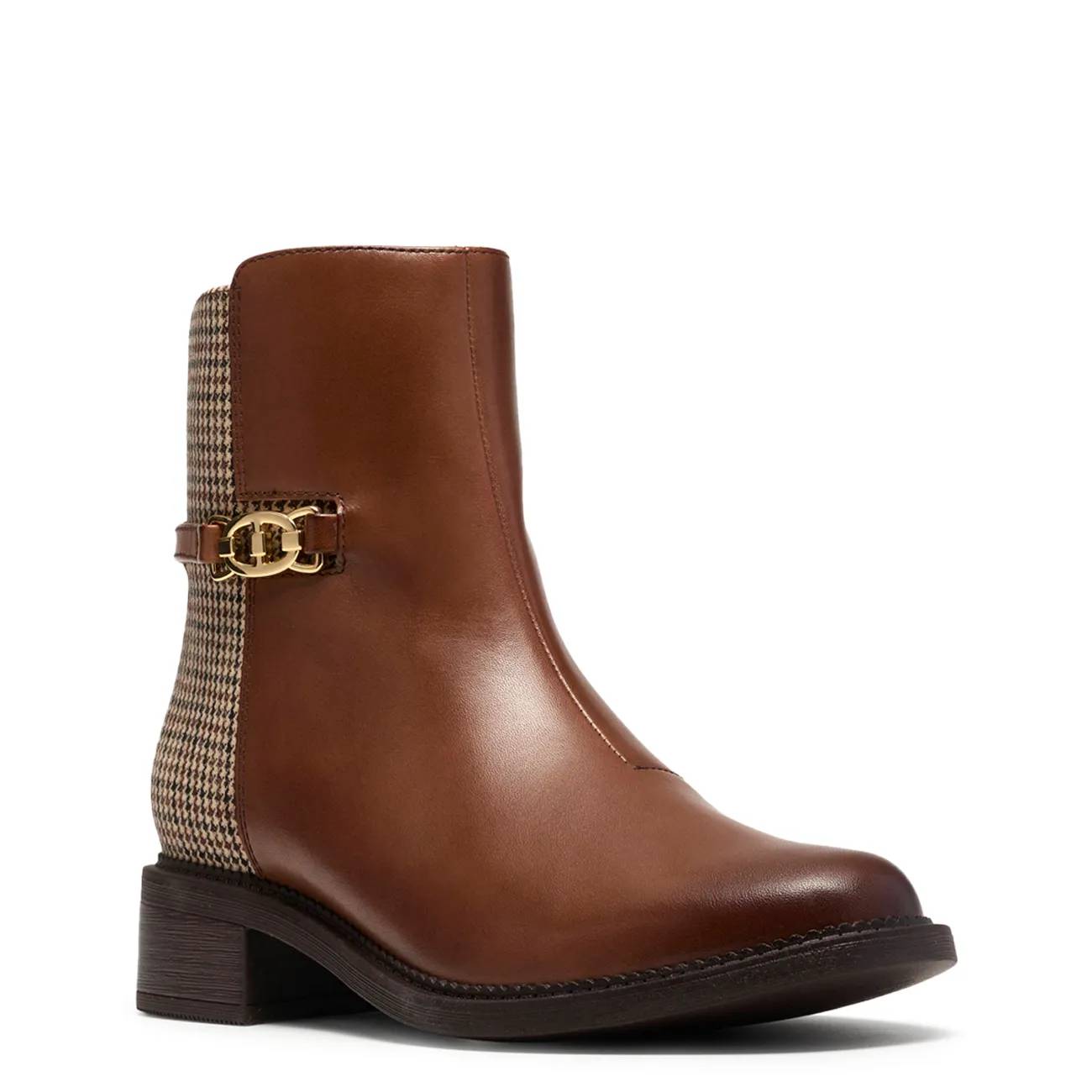
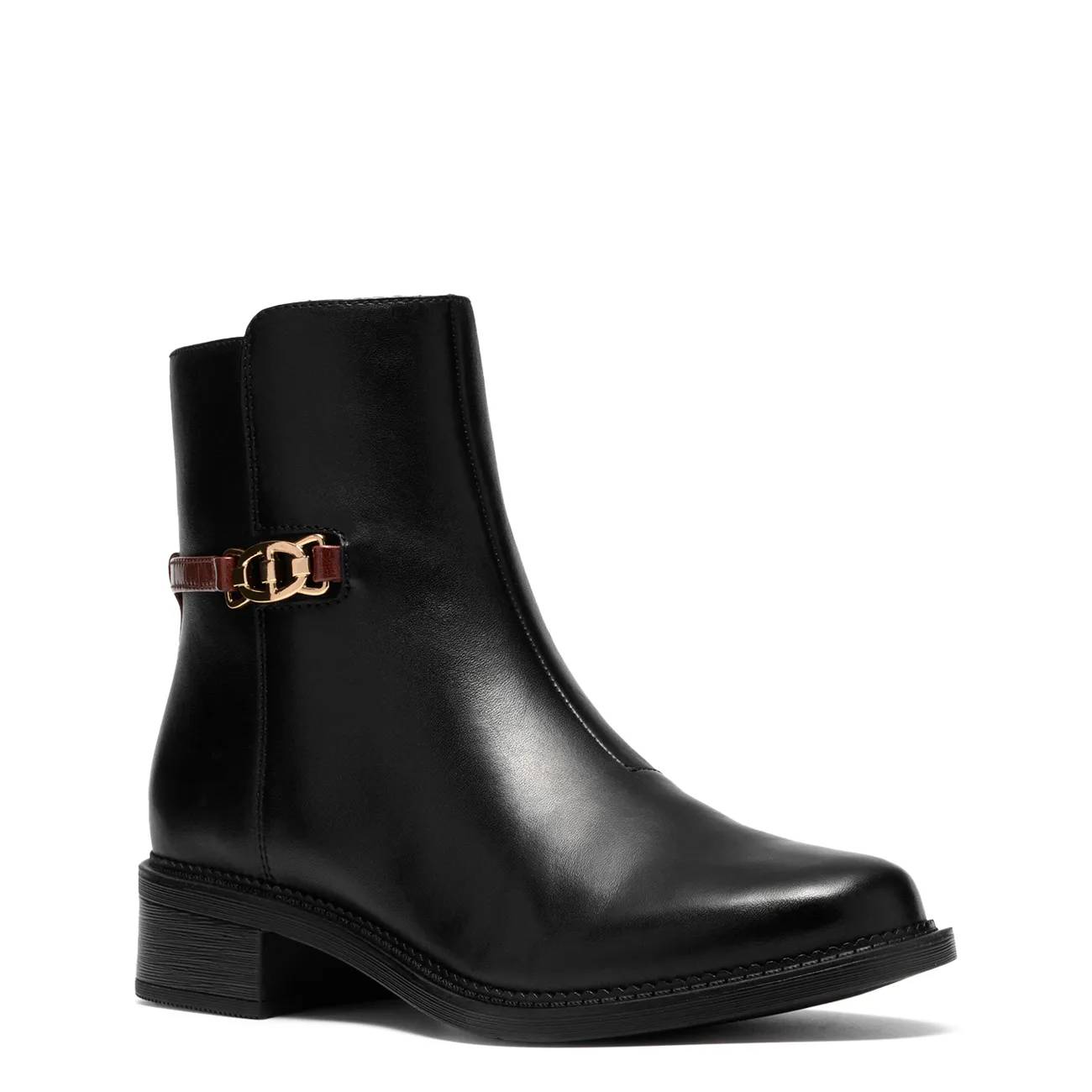
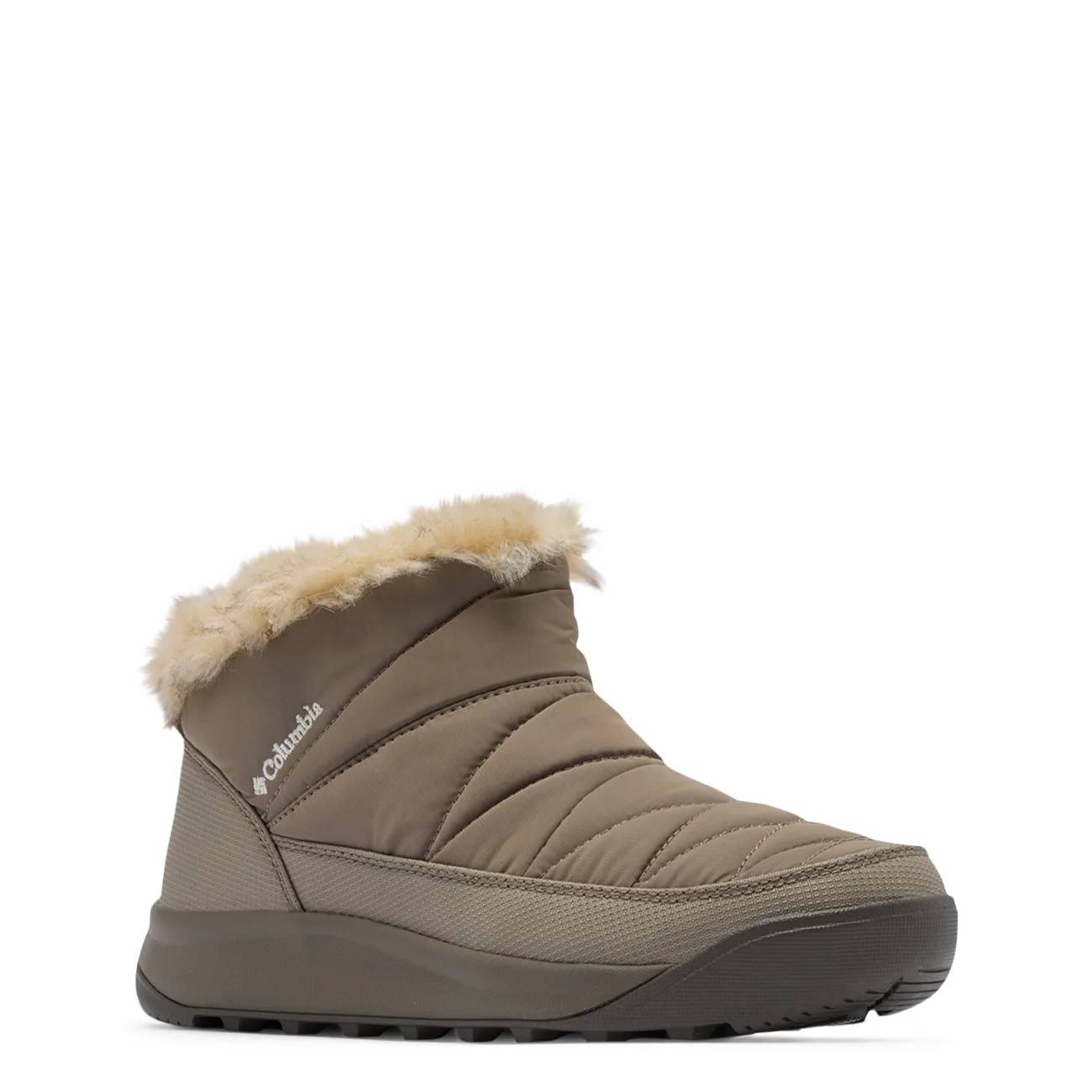
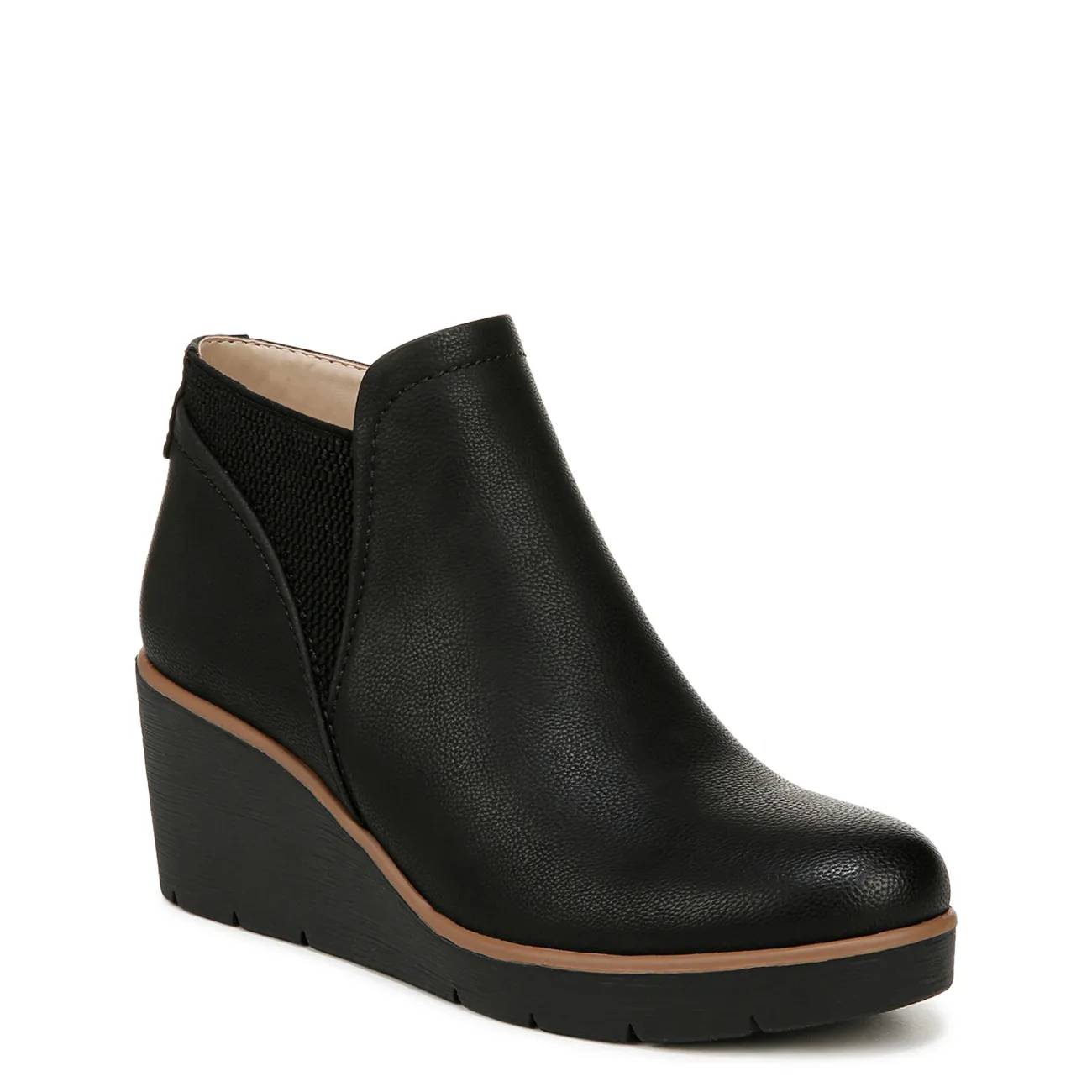
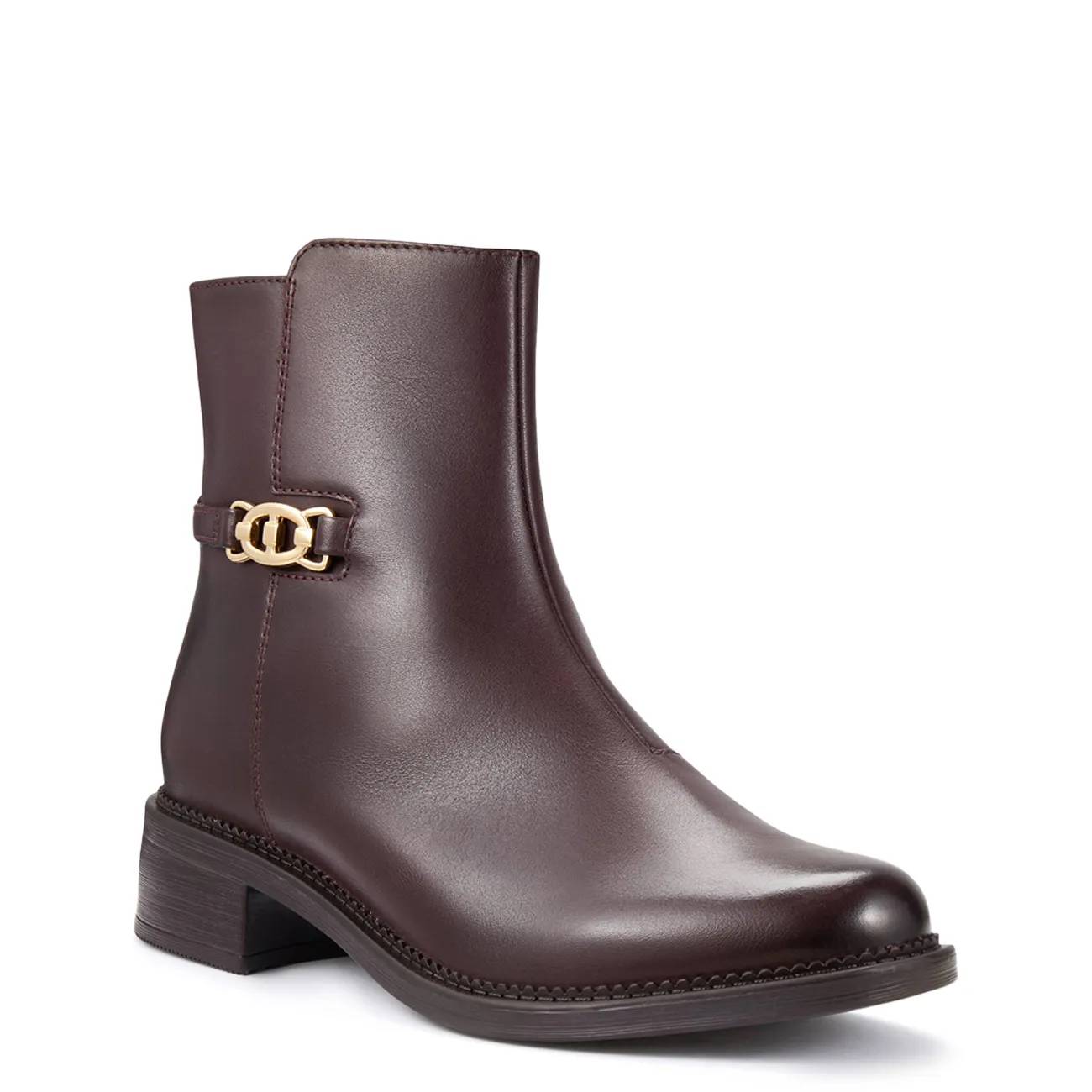
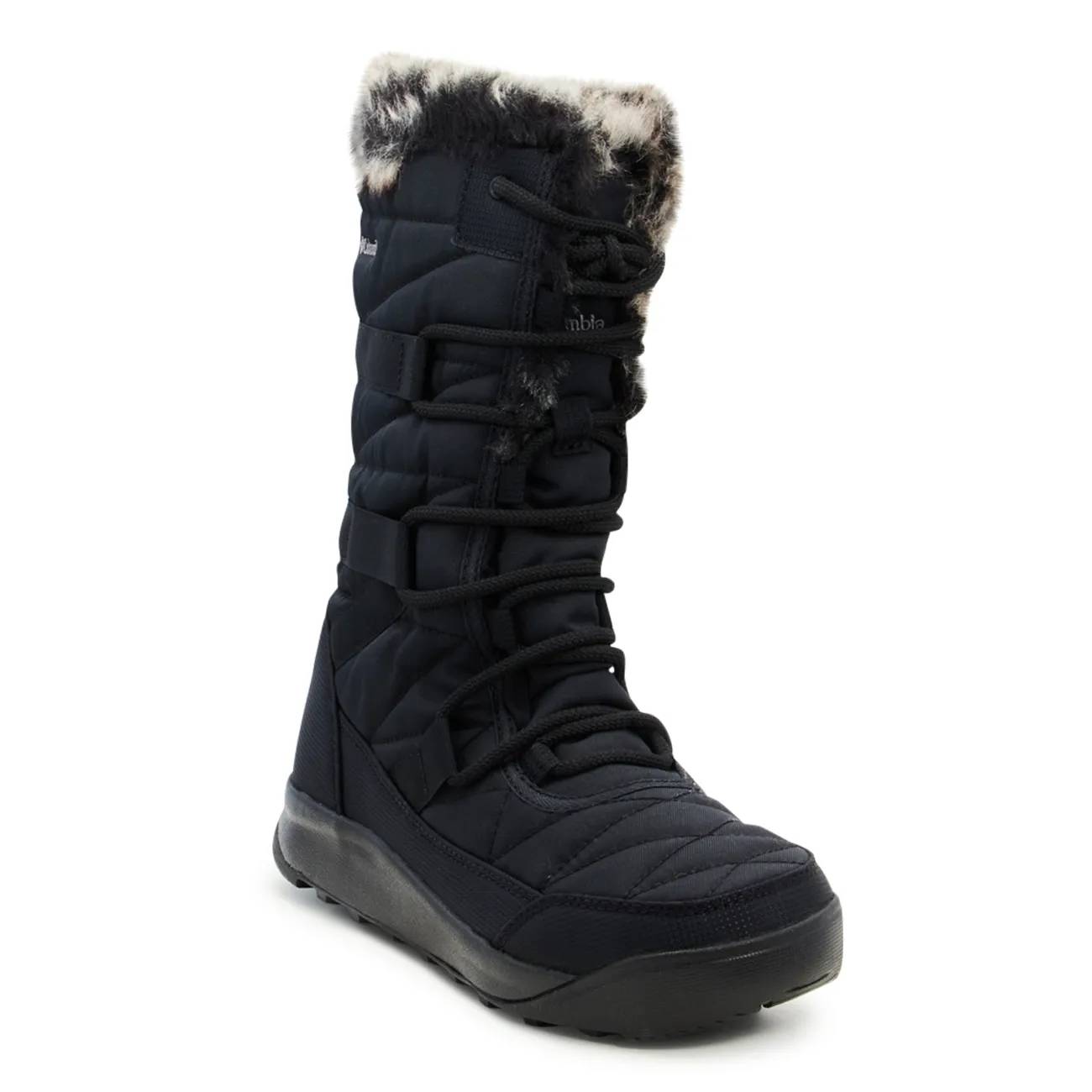
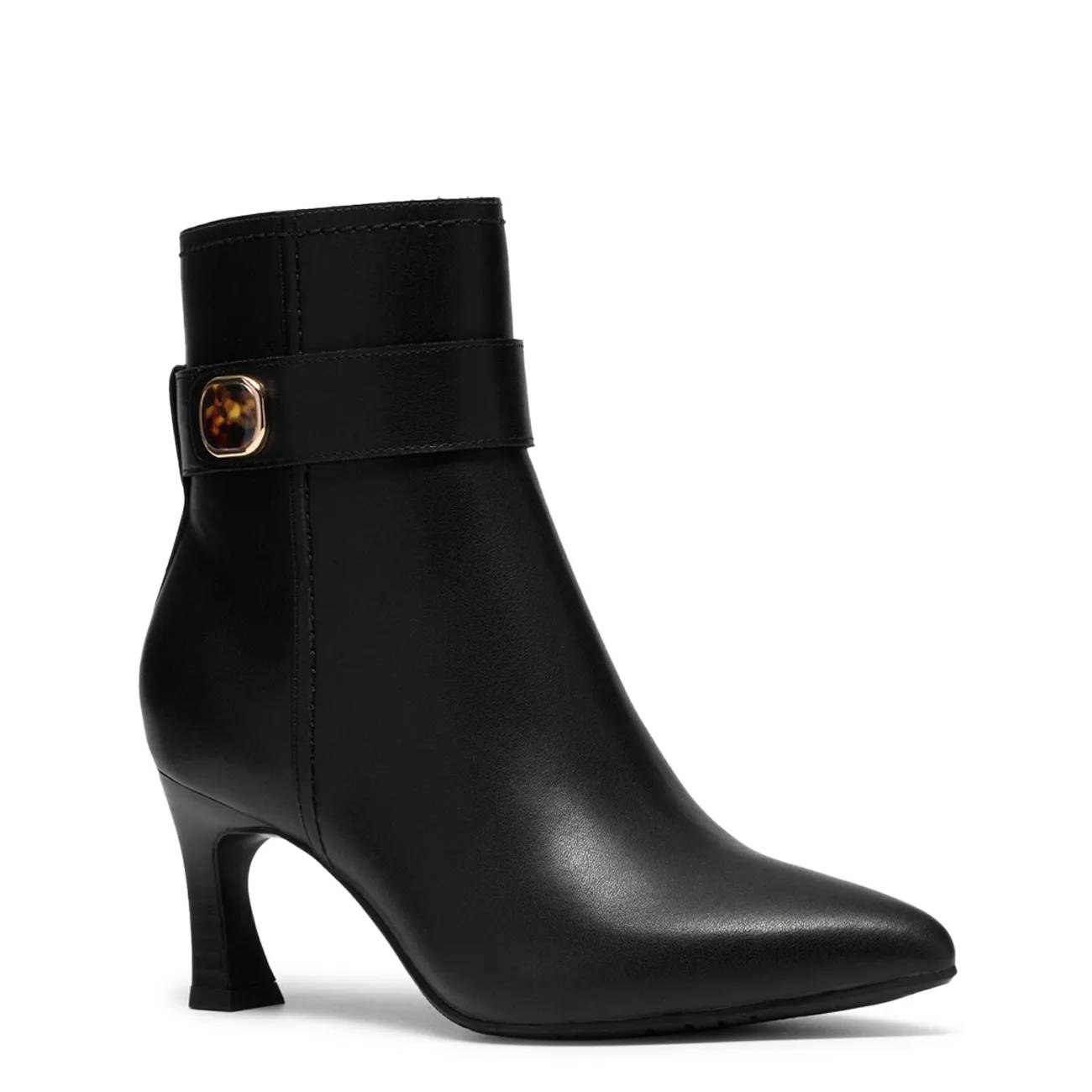
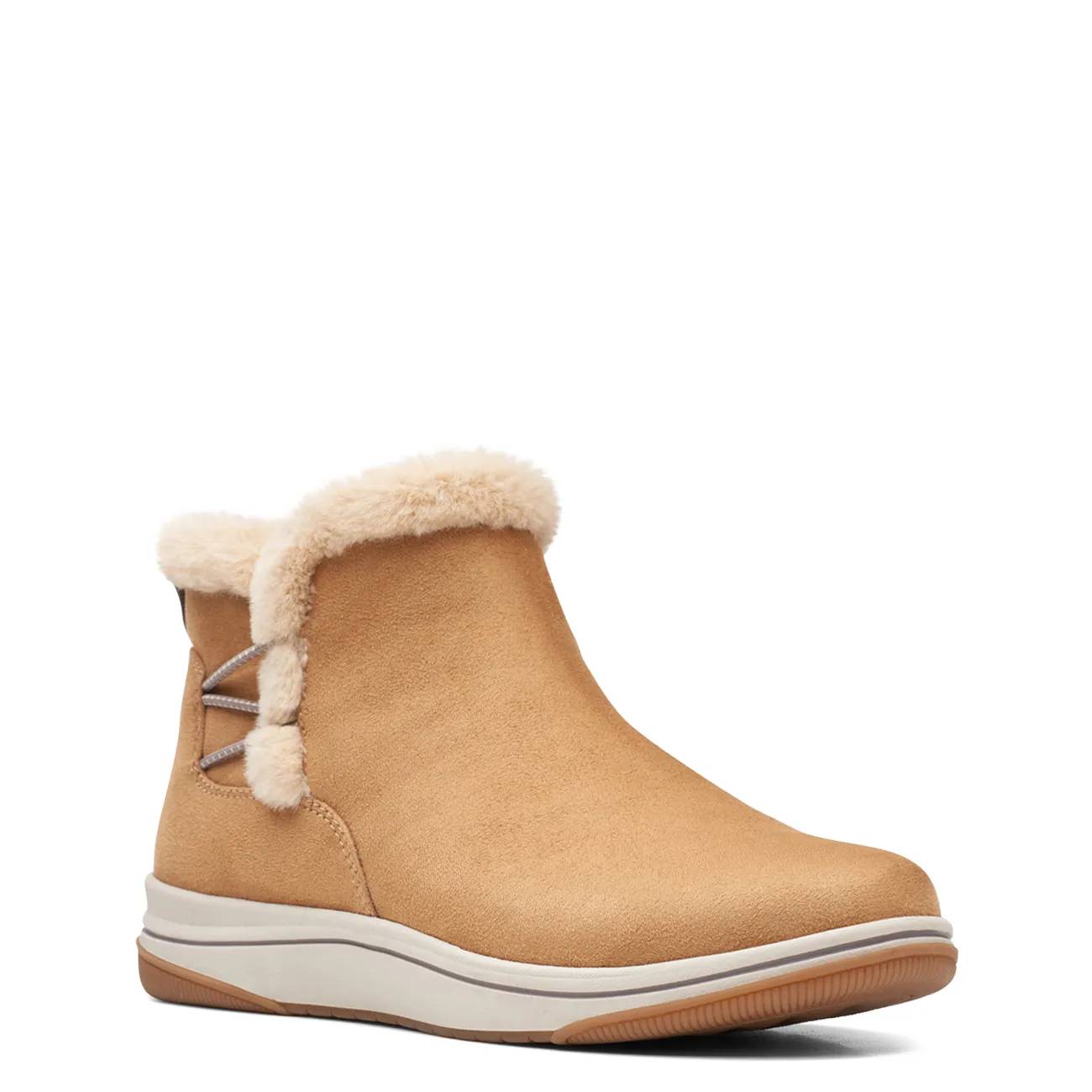
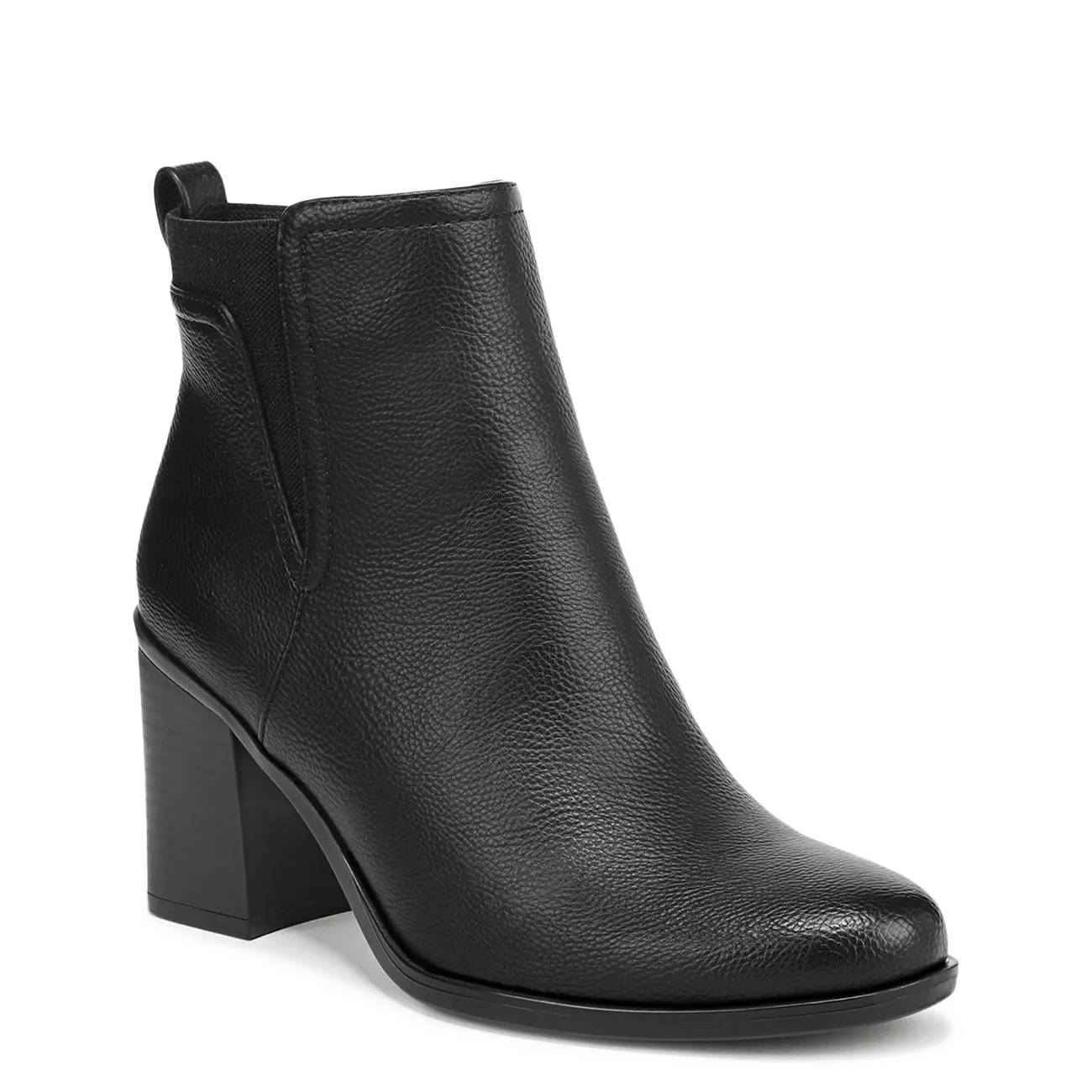
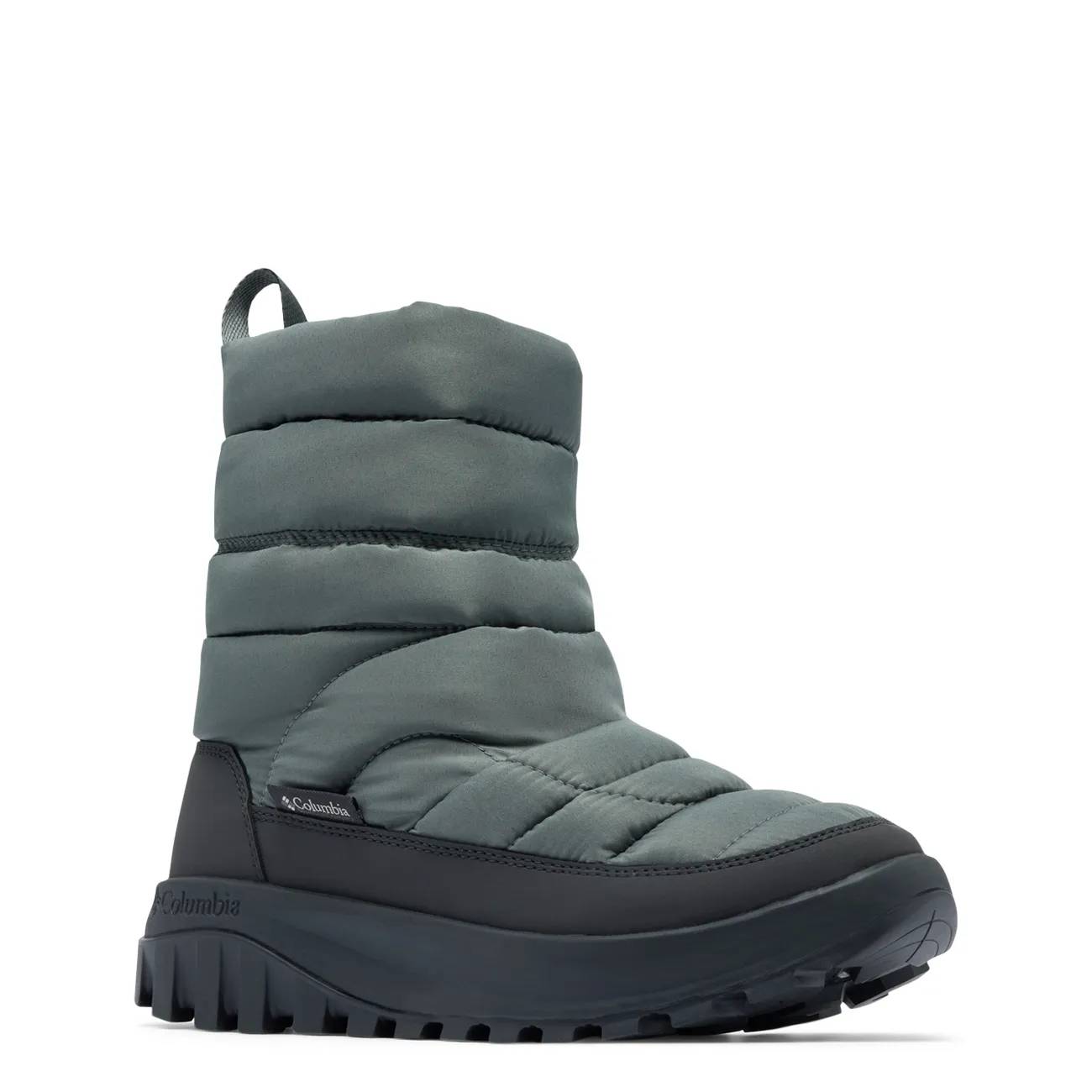
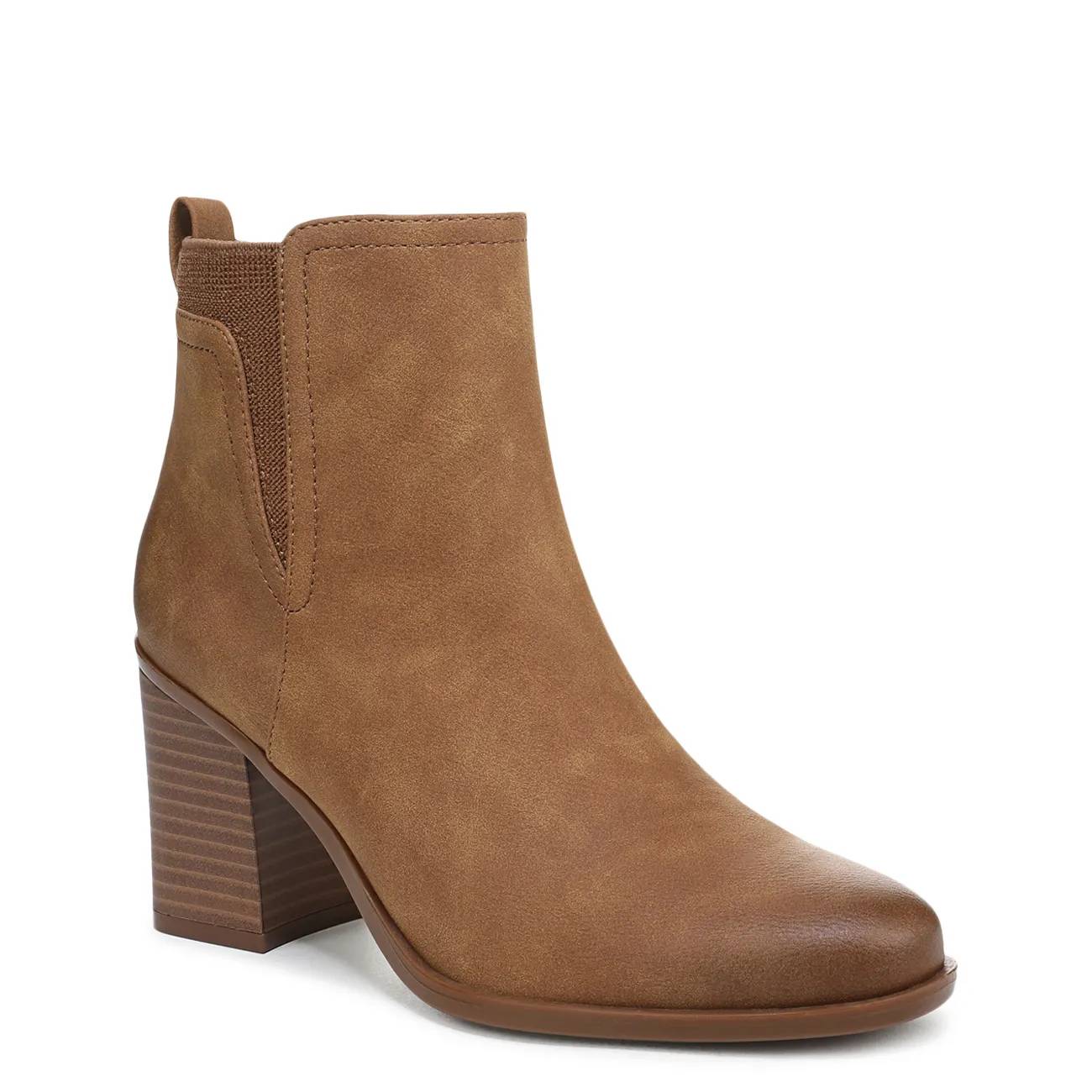
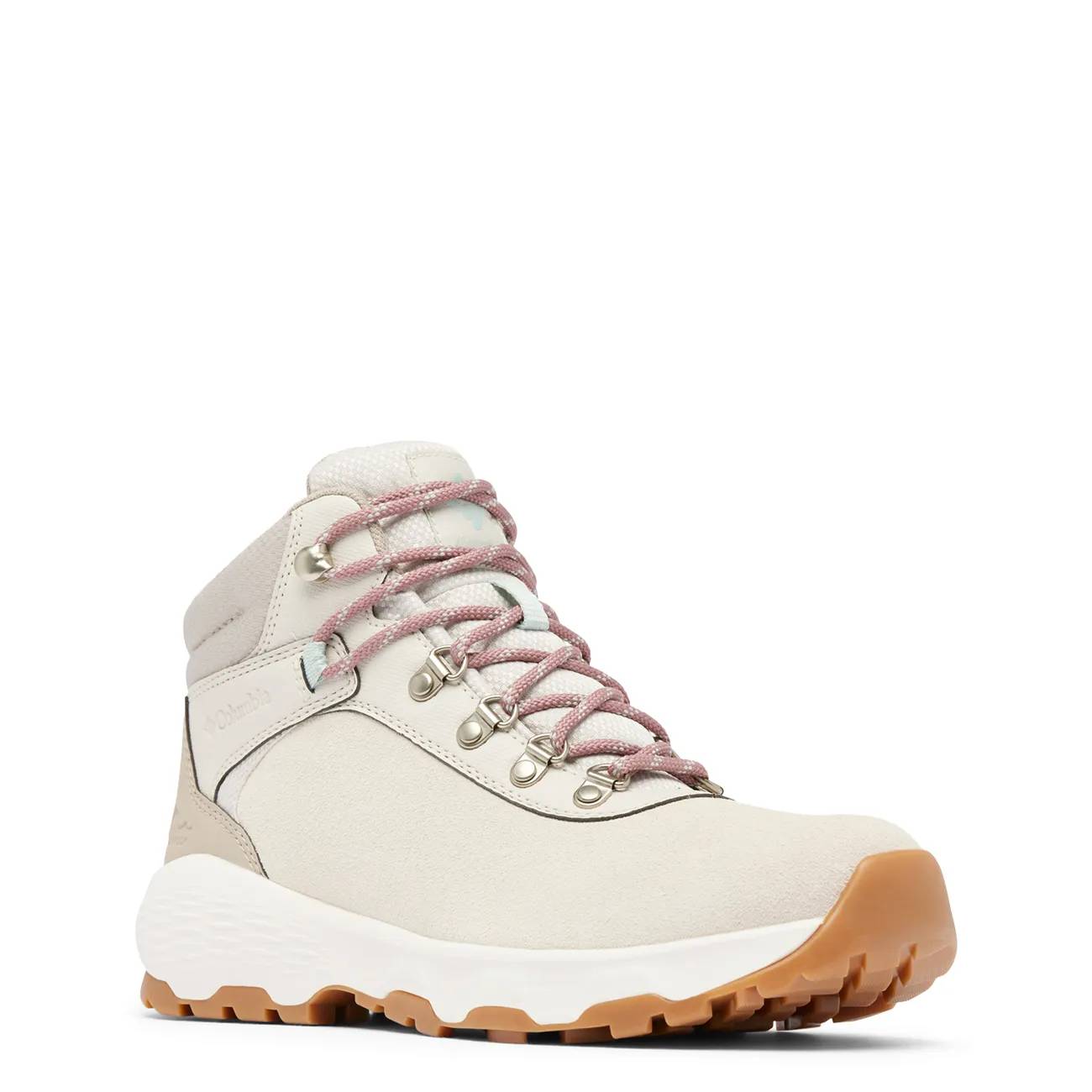
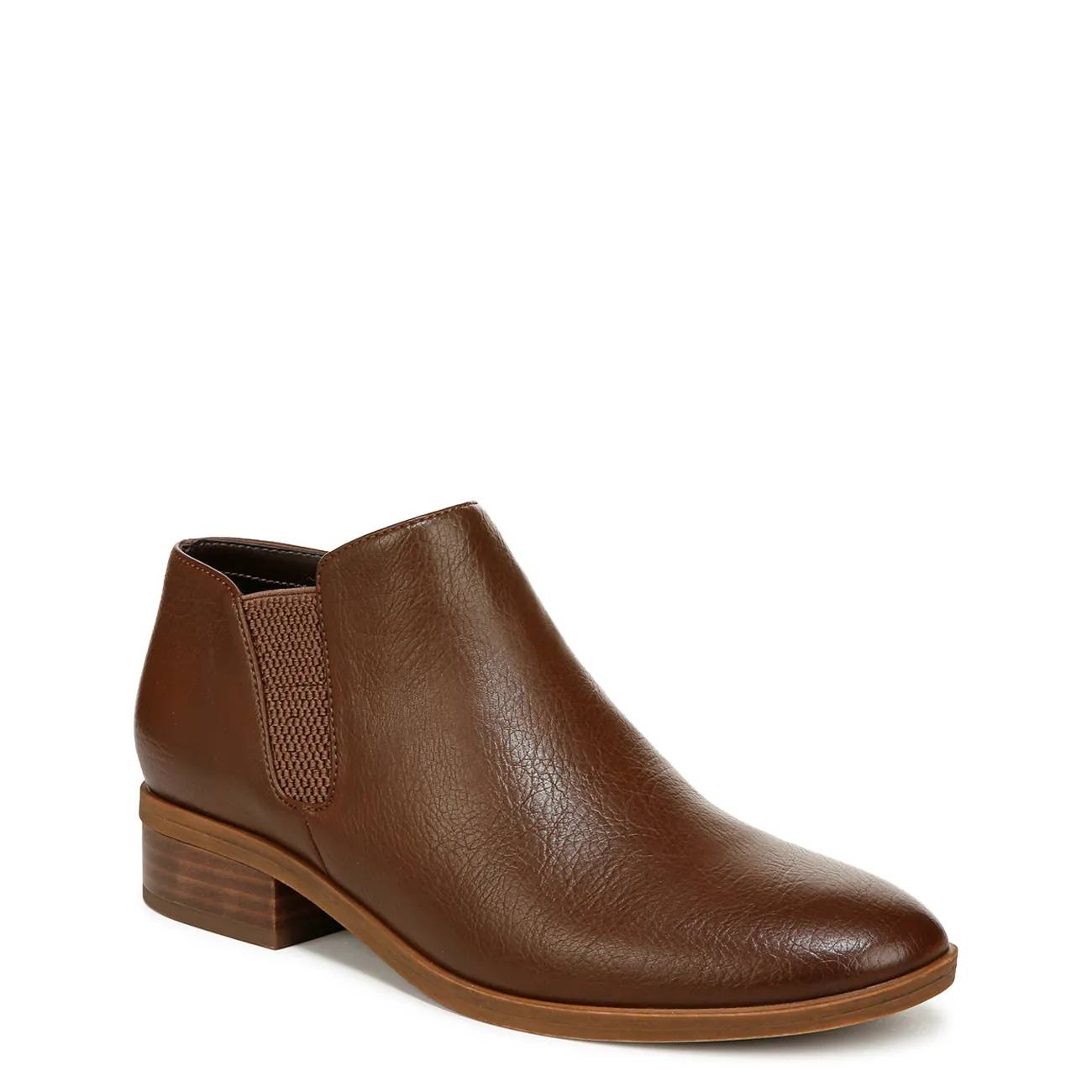
Women's boots at The Shoe Company span ankle booties, Chelsea boots, combat styles, and knee-high silhouettes, all sized for how Canadian winters actually work. This page covers leather, suede, and weatherproof synthetic options built to handle wet pavement and packed snow. A commute pair needs different grip than a boot meant for a holiday party. Sole grip, shaft height, and closure type all matter more than colour once the temperature drops.
Silhouettes and Construction Worth Knowing
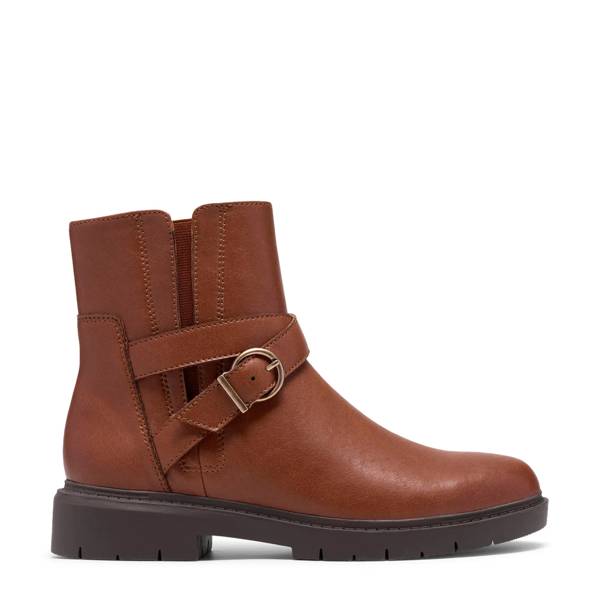
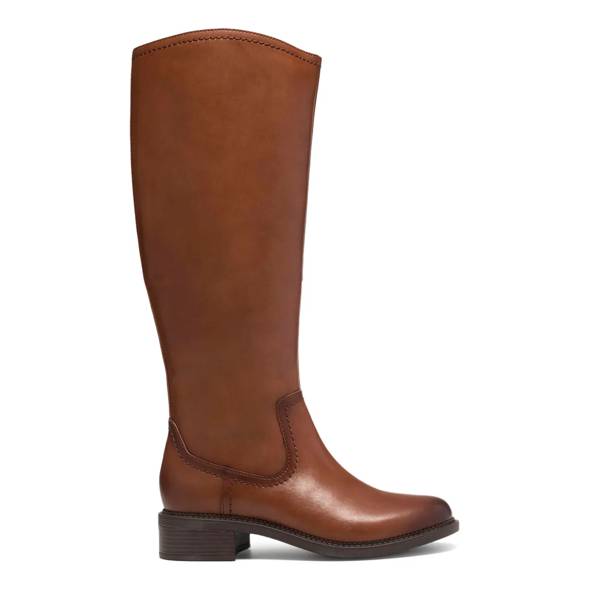
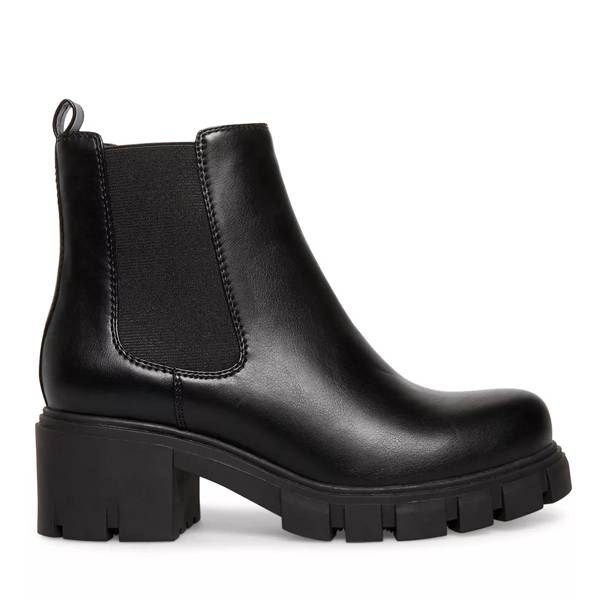
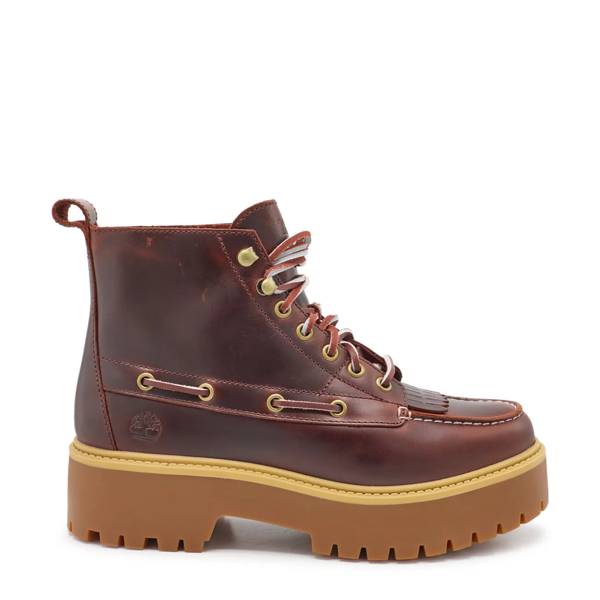
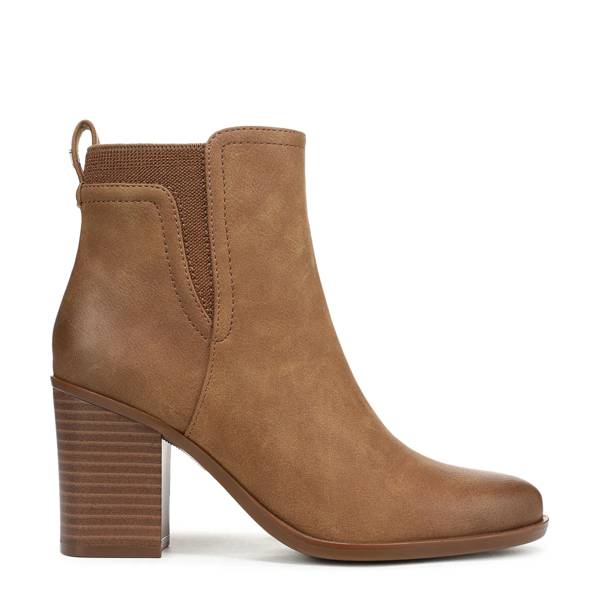
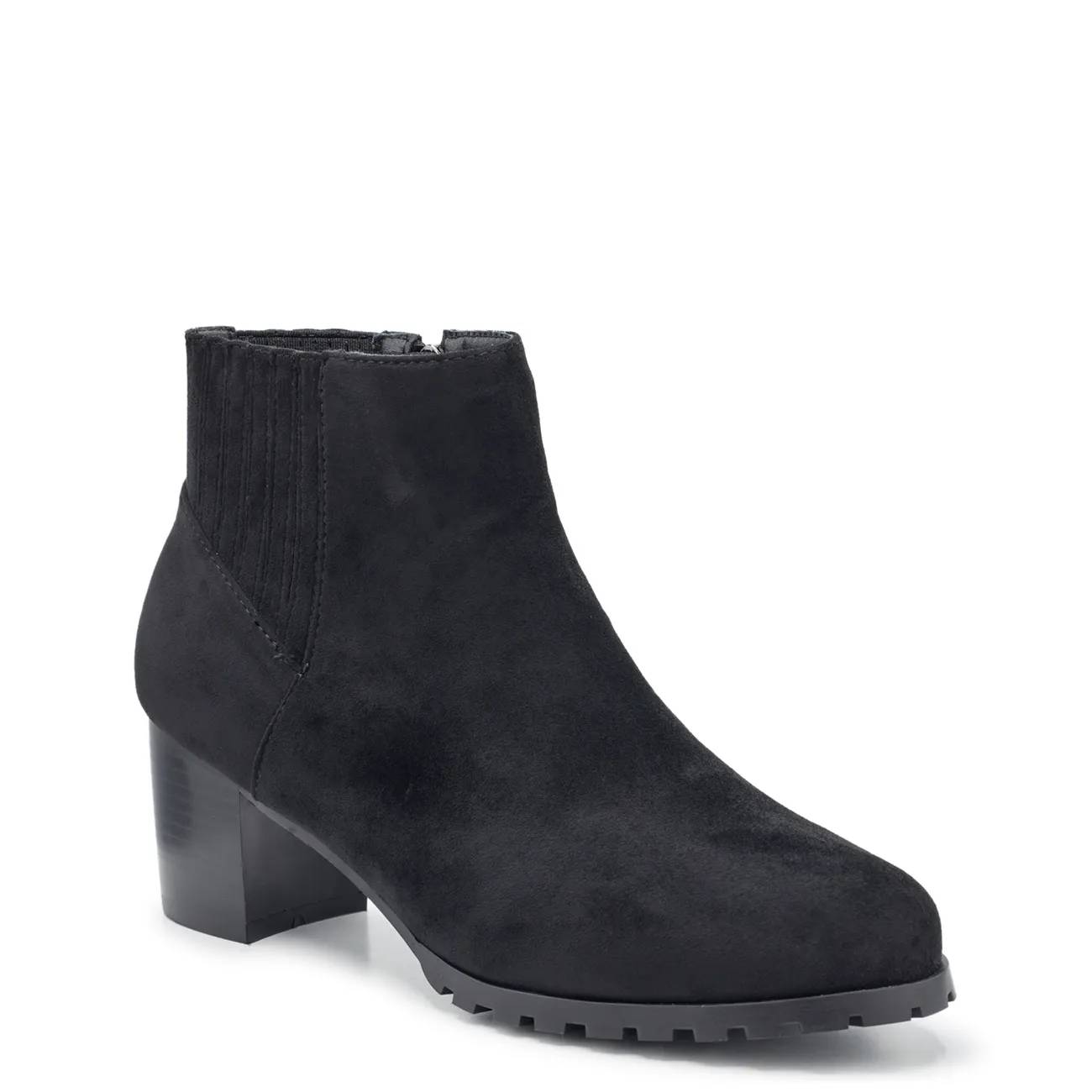
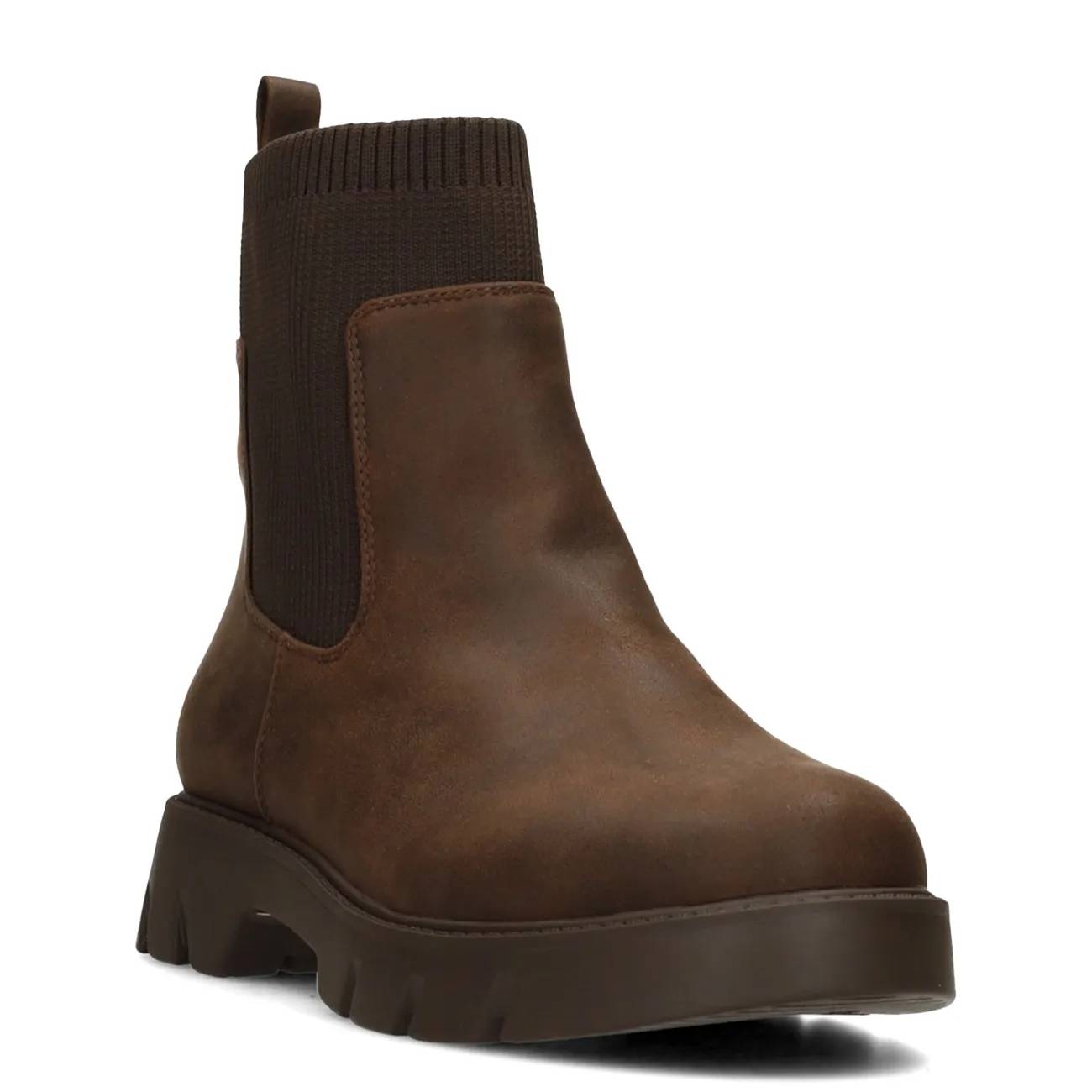
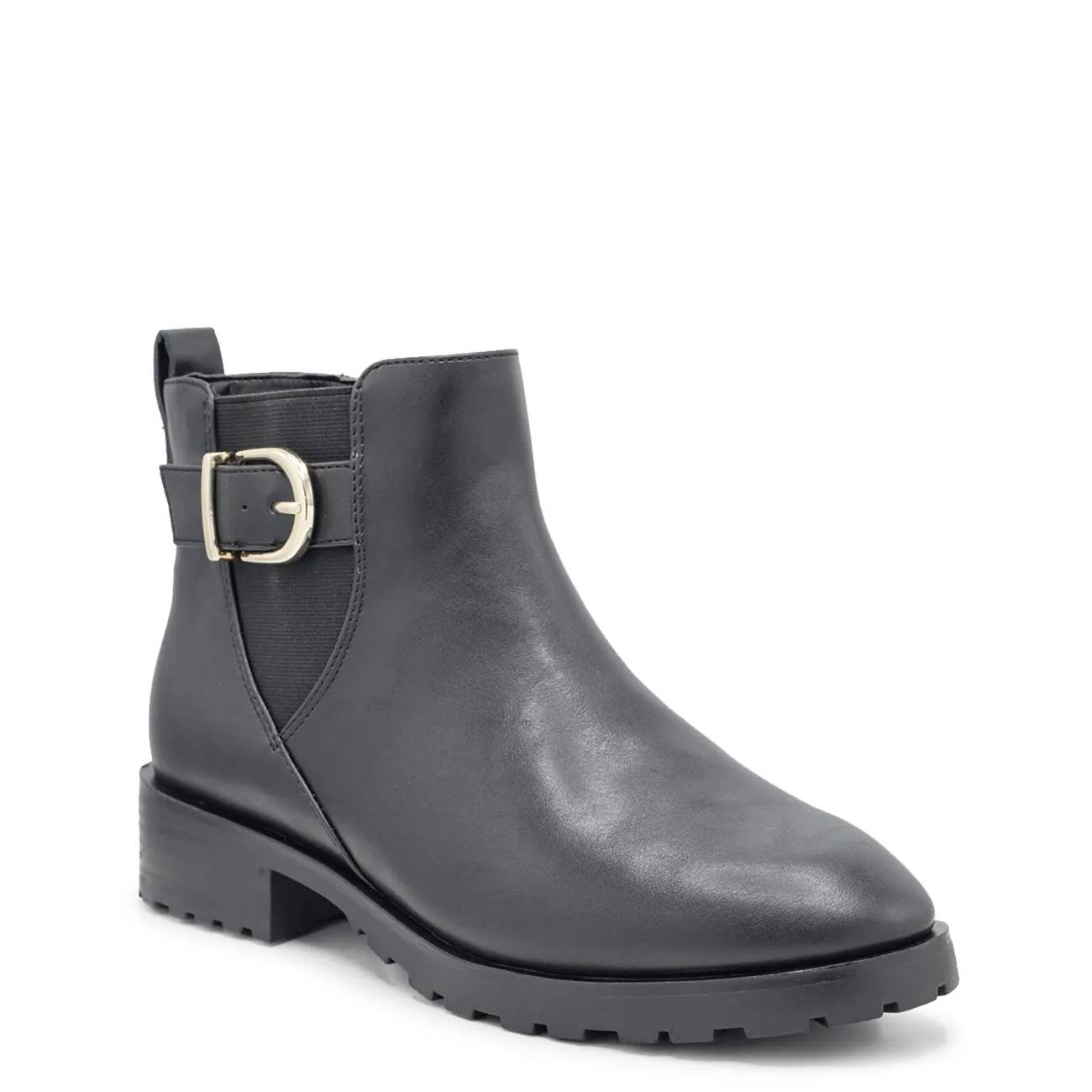
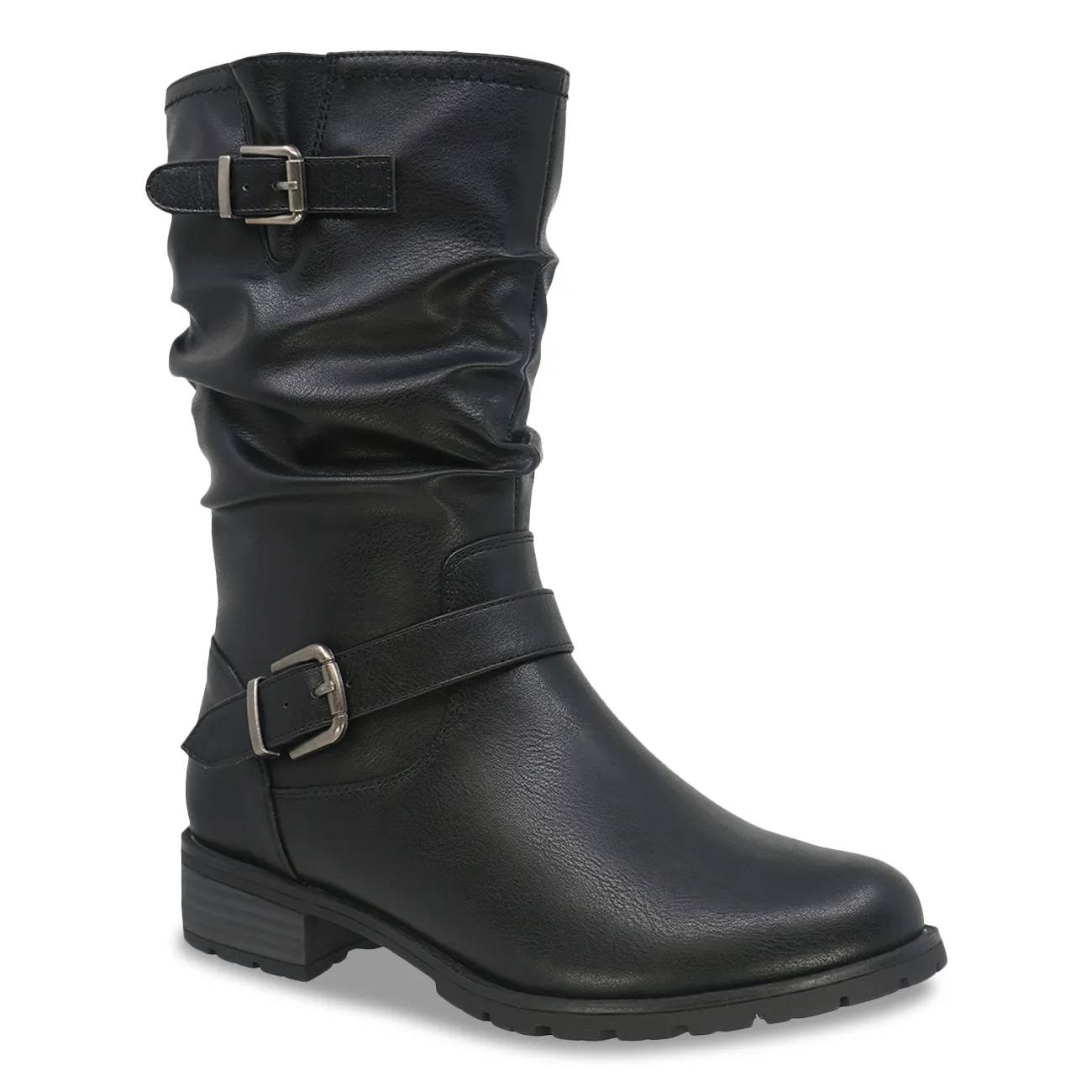
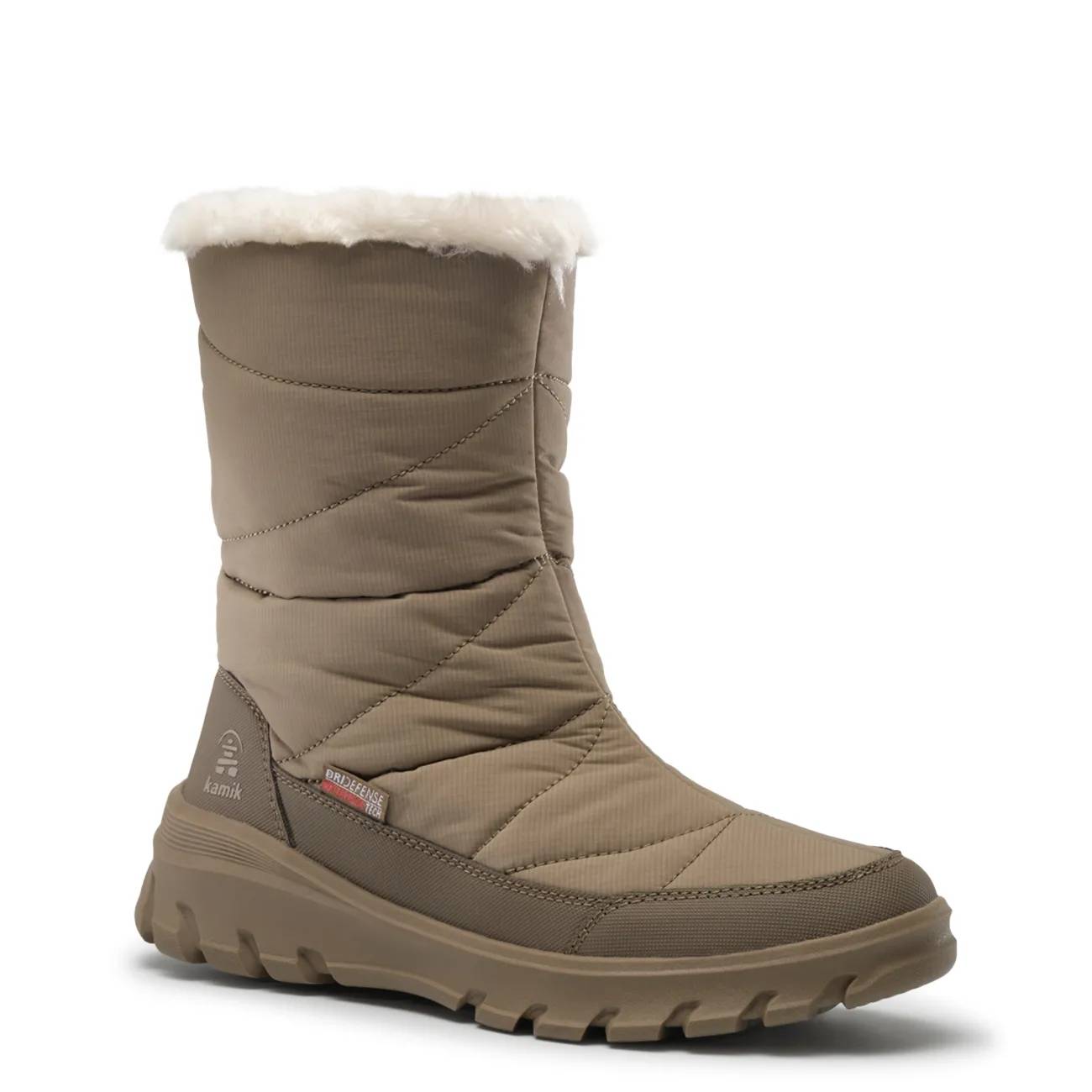
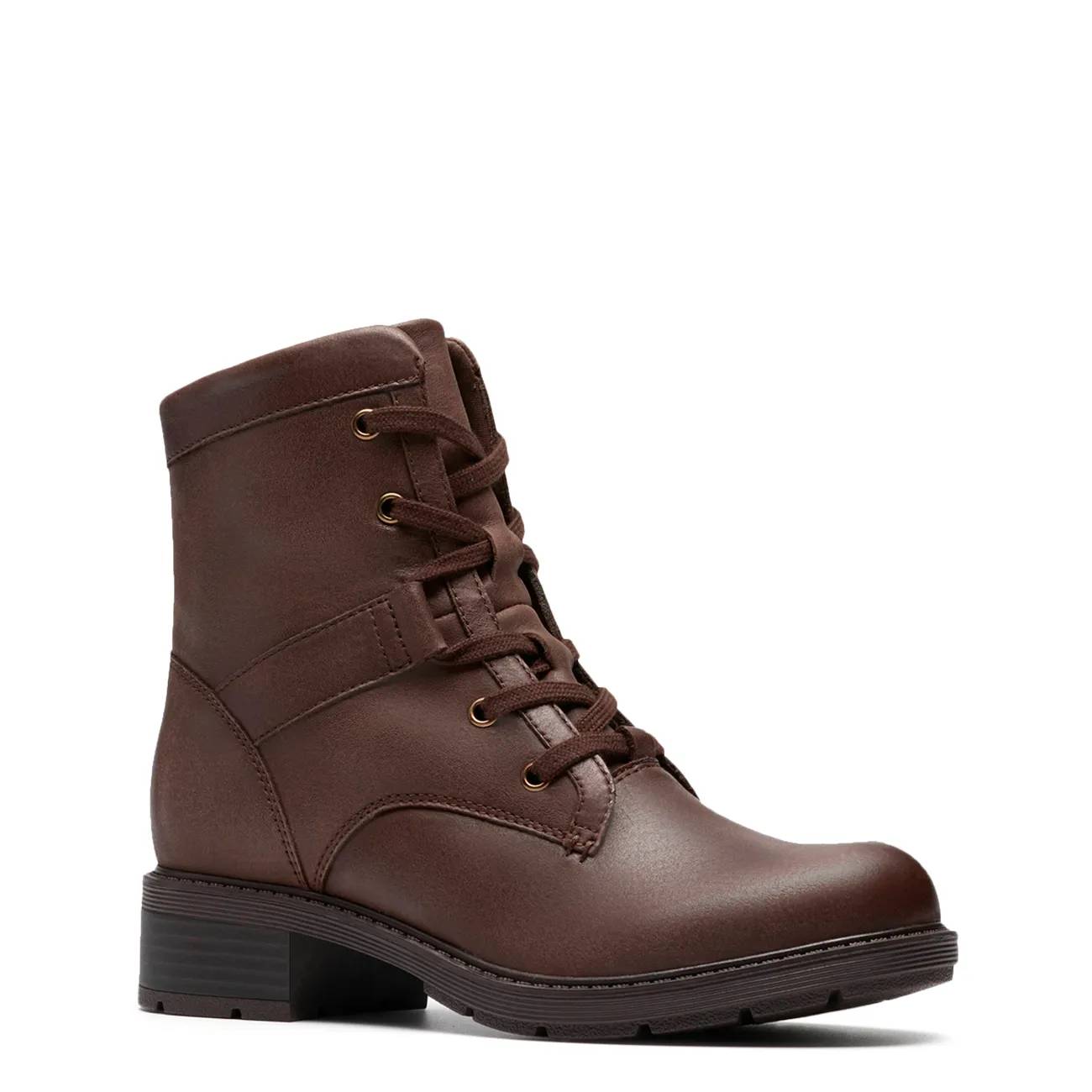
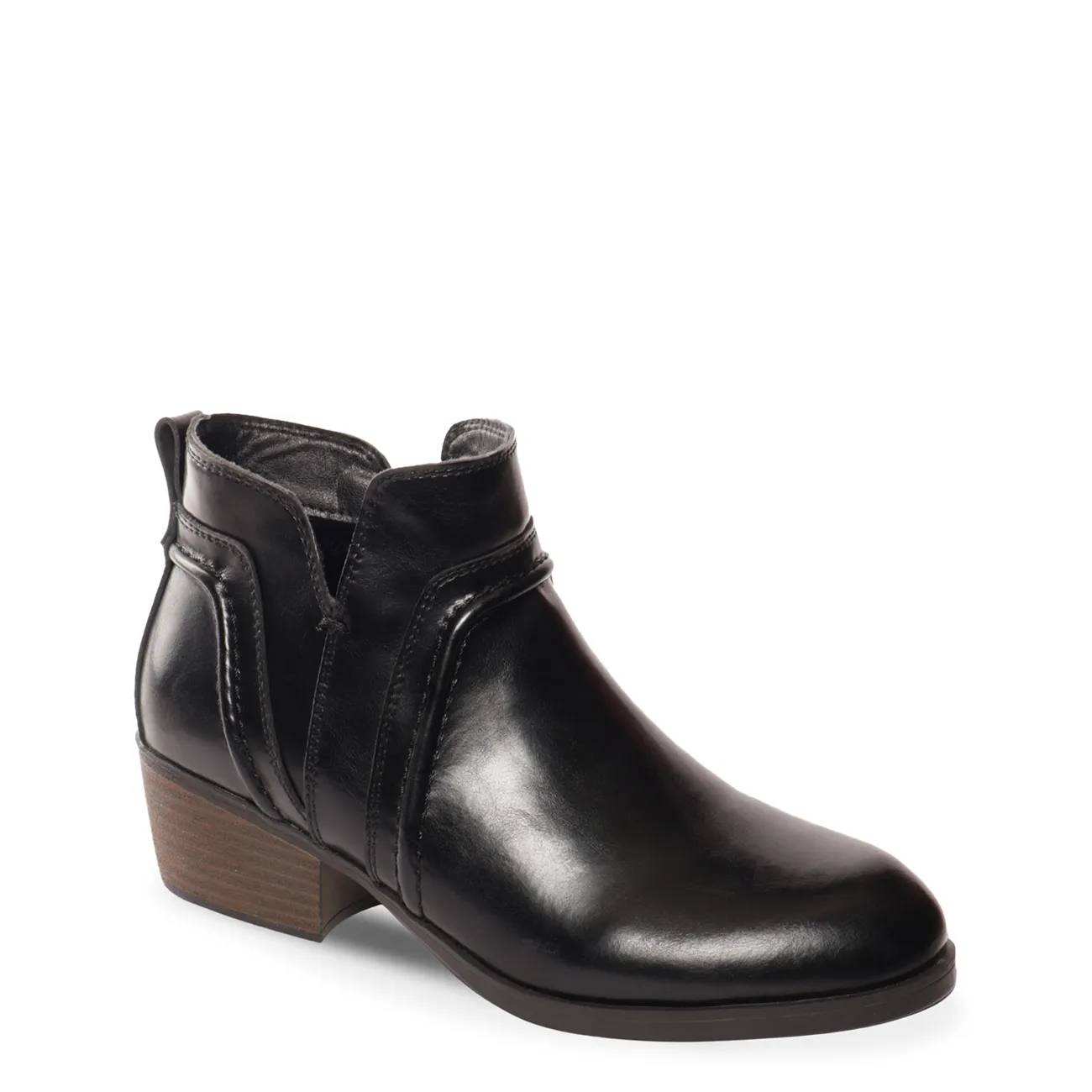
Chelsea boots use elastic side panels for a quick on-off fit and pair well with skinny denim or leggings. Lug soles and lace-up fronts on combat boots grip icy steps and uneven curbs better than a flat sole. Tall boots run flat or block-heeled and cover more leg against wind chill once temperatures drop below freezing.
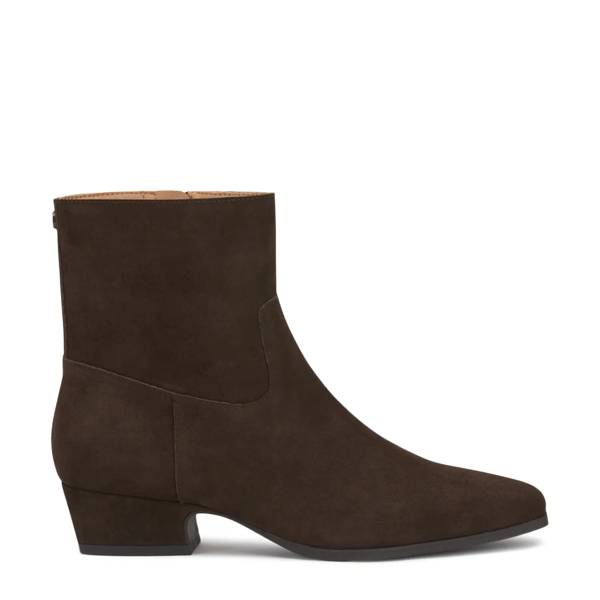
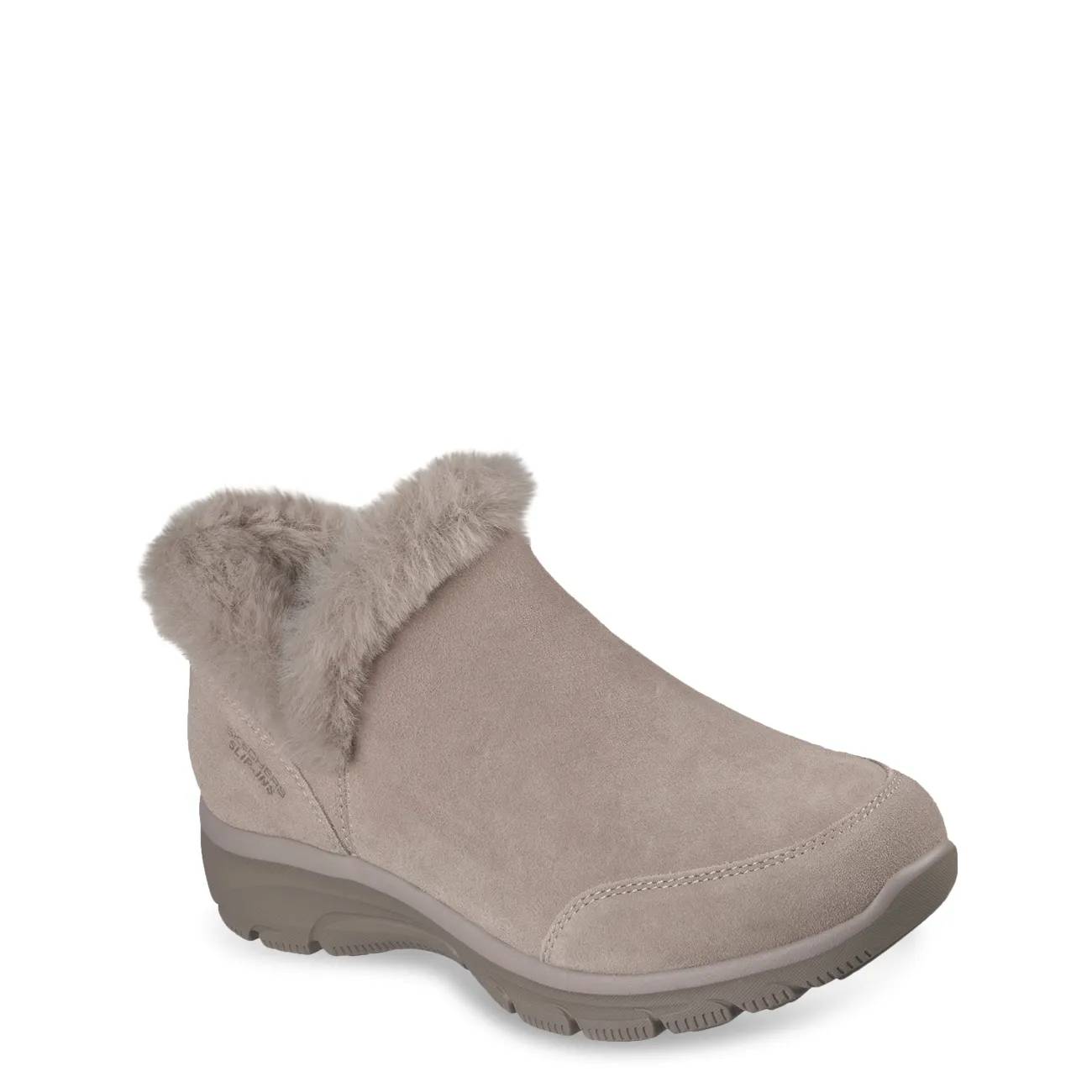
Look for a rubber or TPR outsole rather than smooth leather for grip on ice and slush. Suede holds up fine in dry cold but needs a protective spray before the first slushy commute.
Choosing the Right Pair for the Season
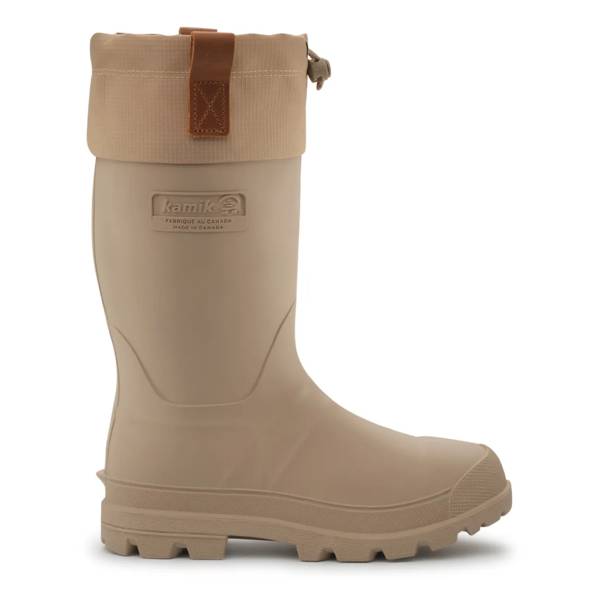
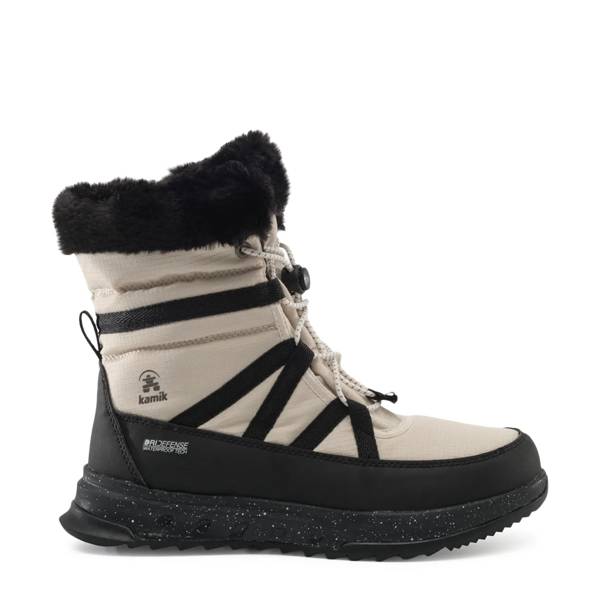
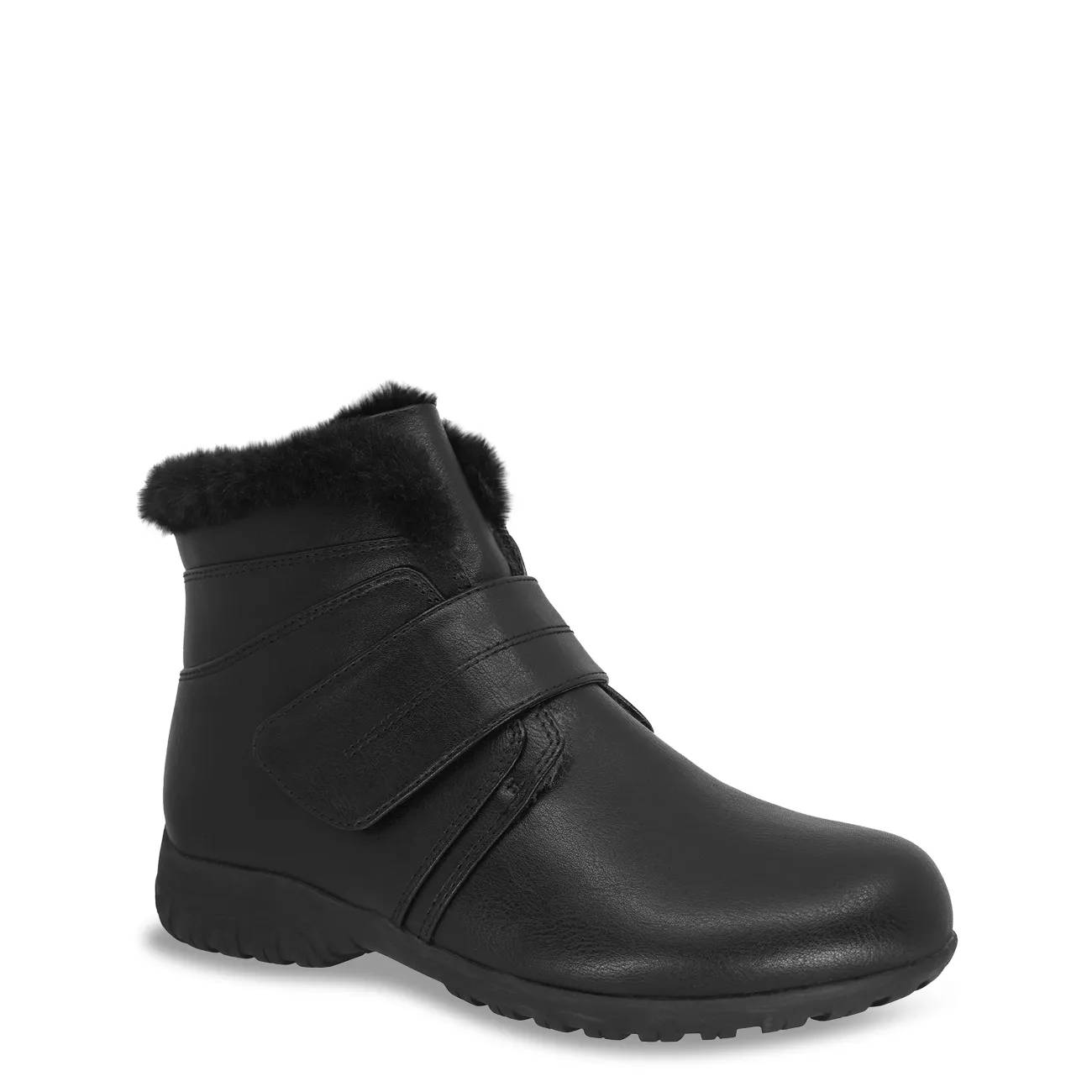
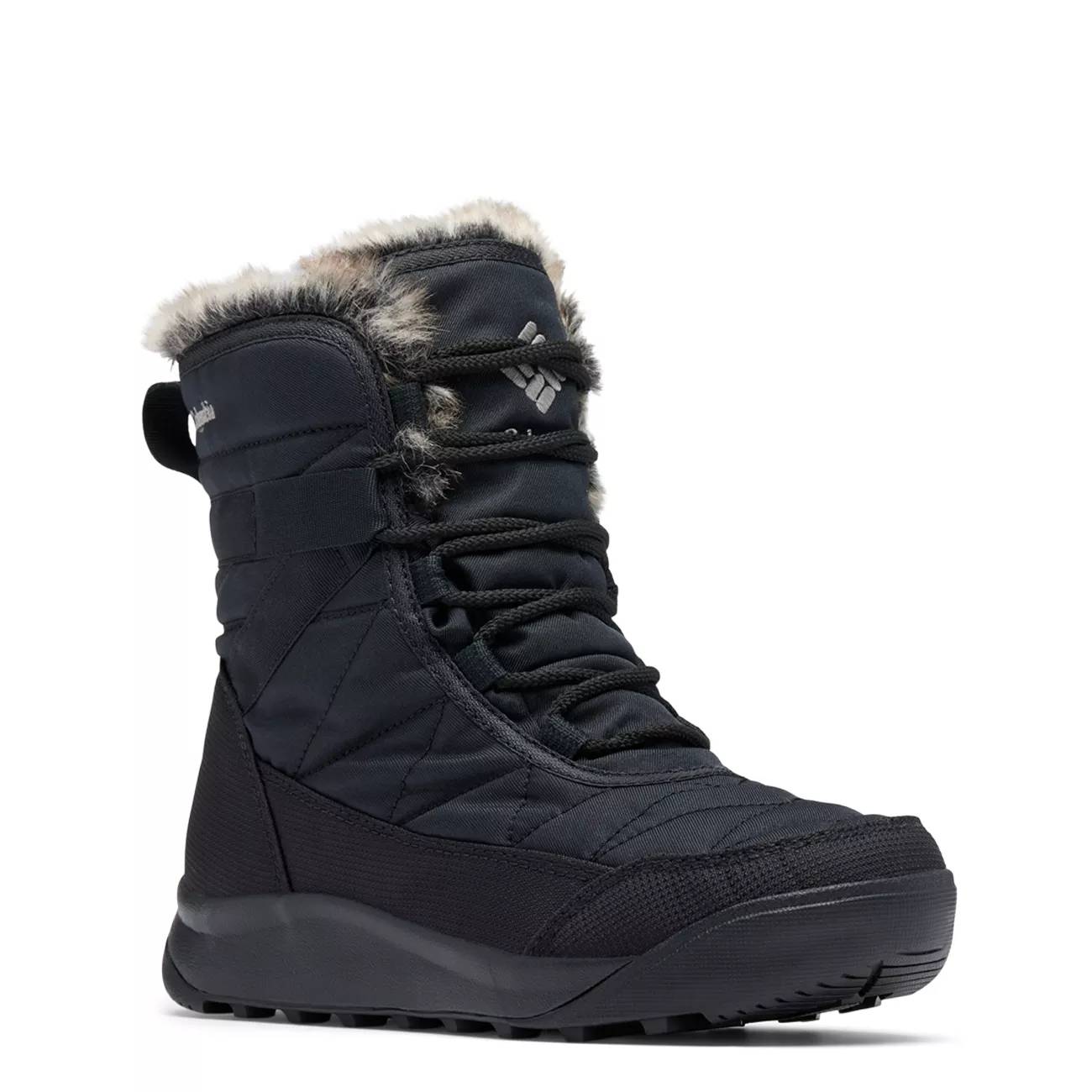
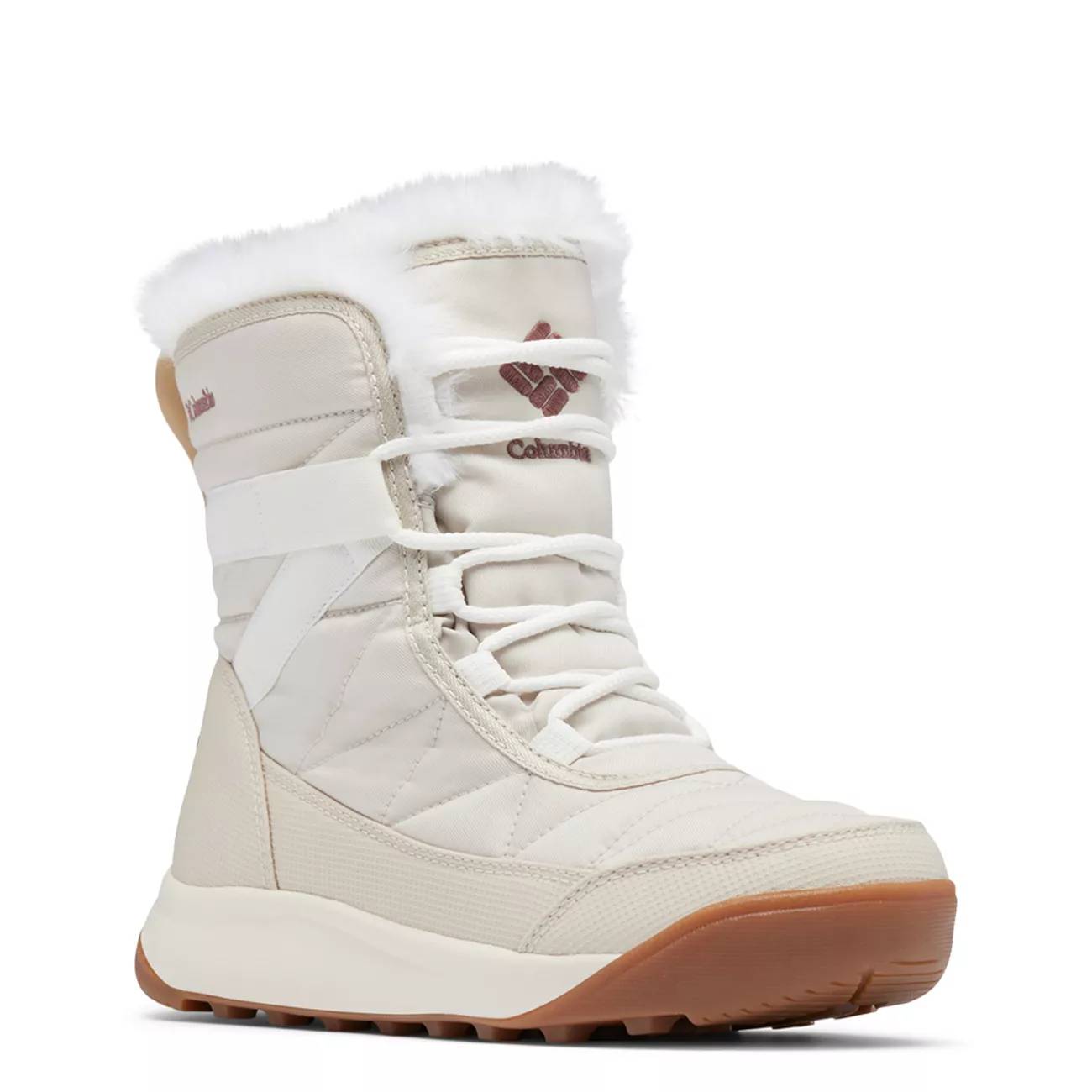
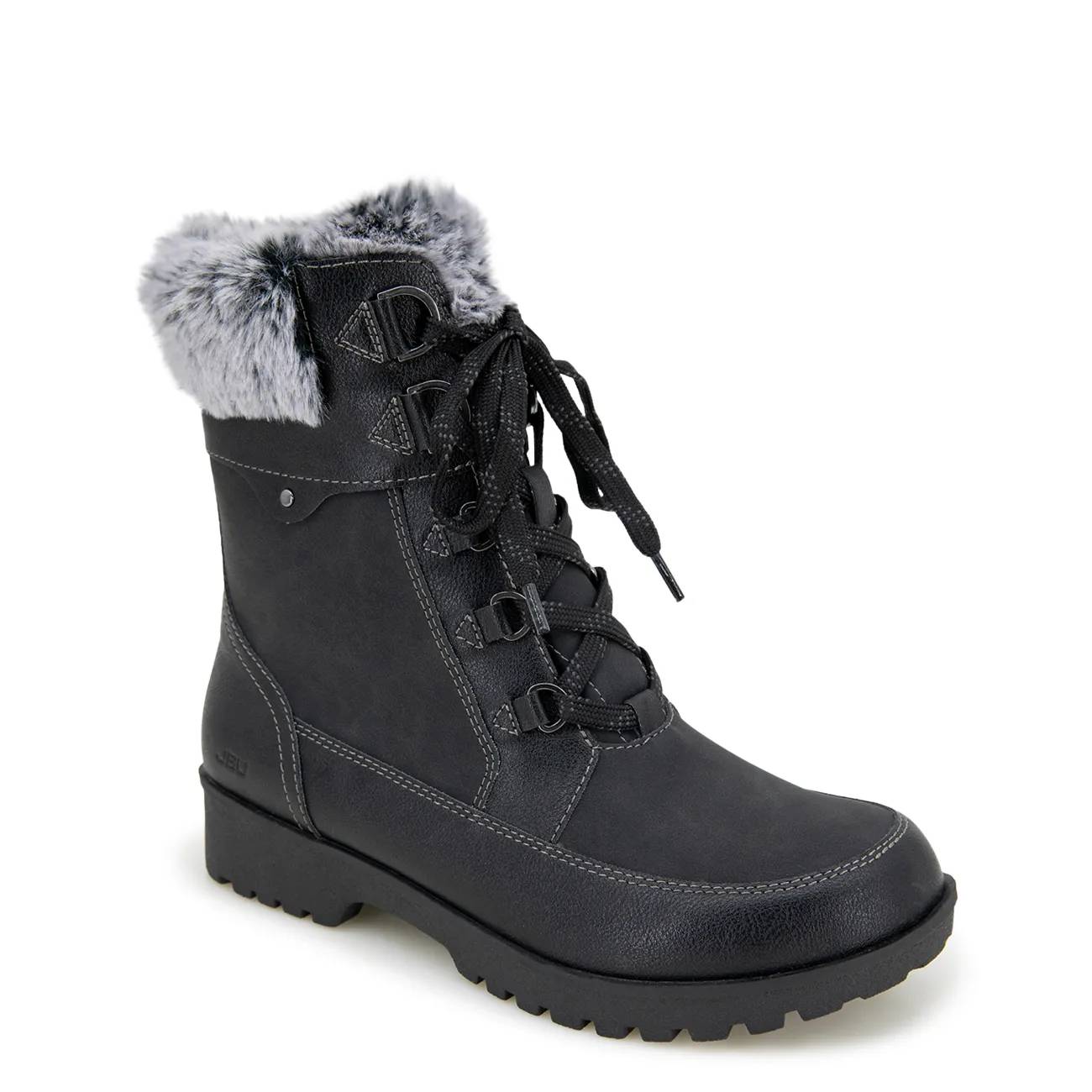
A waterproof upper matters more in Ontario and Quebec winters than style alone. A sealed seam or treated leather keeps feet dry through slush without needing a separate boot liner. Match insulation weight to time spent outdoors: light insulation for short walks between transit and the office, heavier insulation for full days outside.
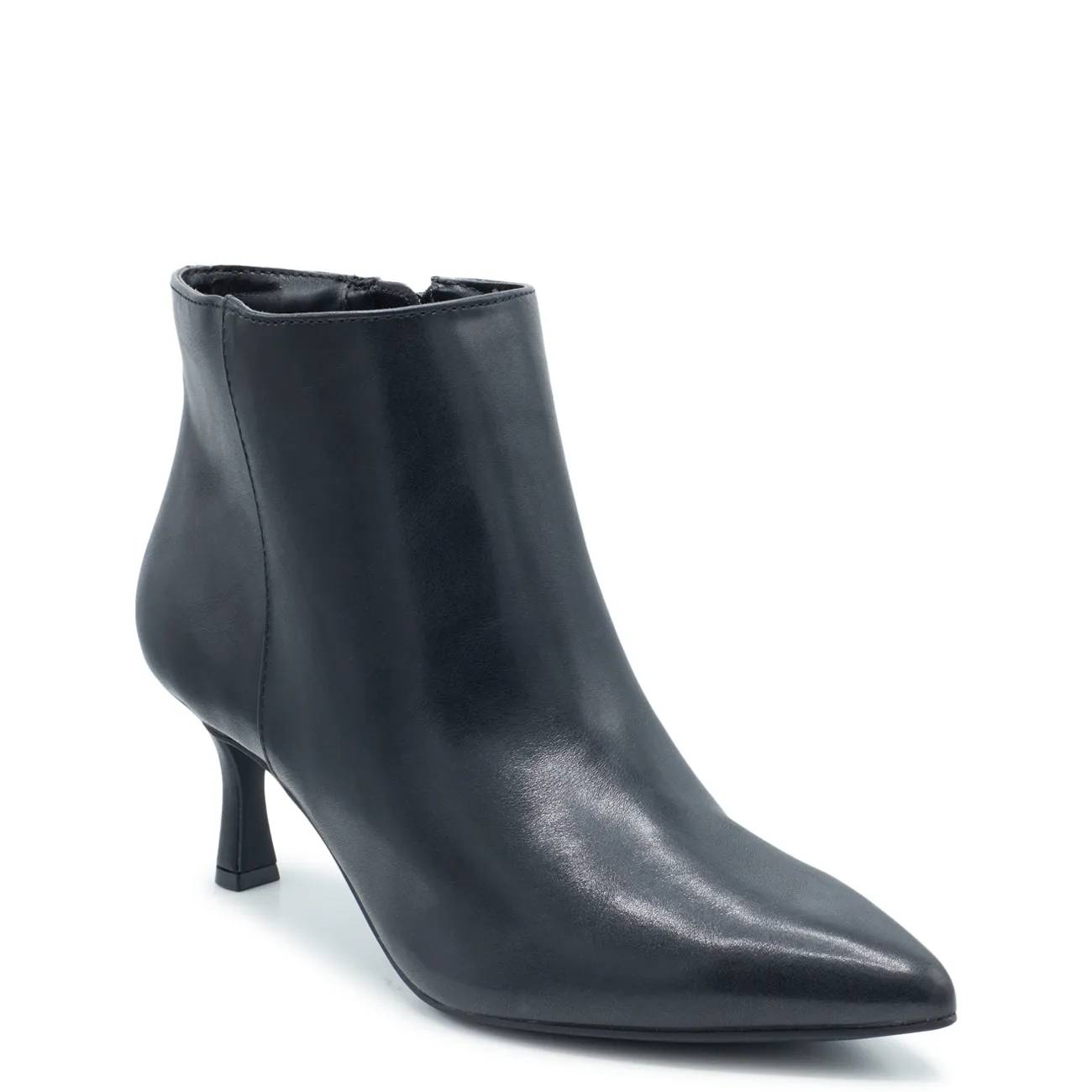
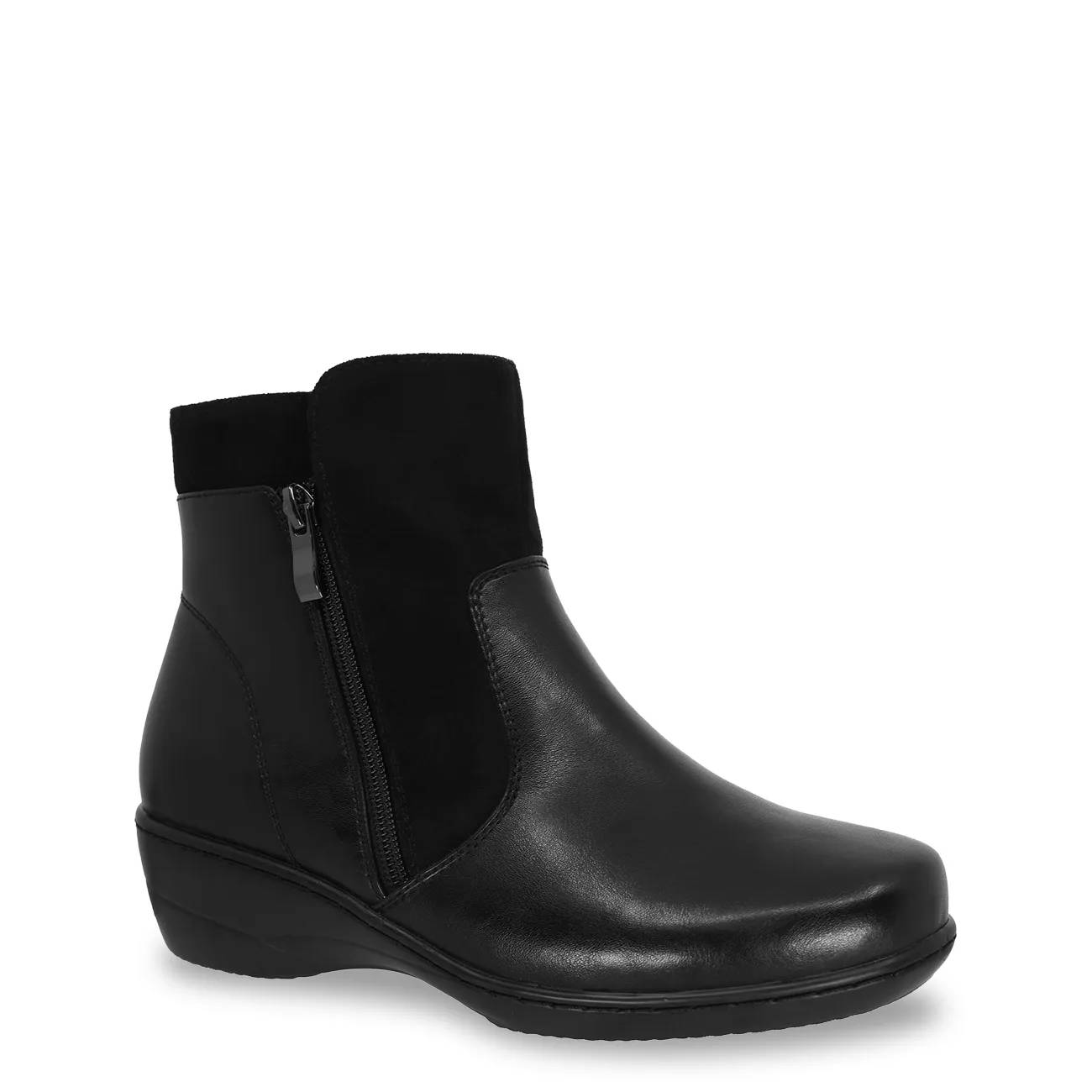
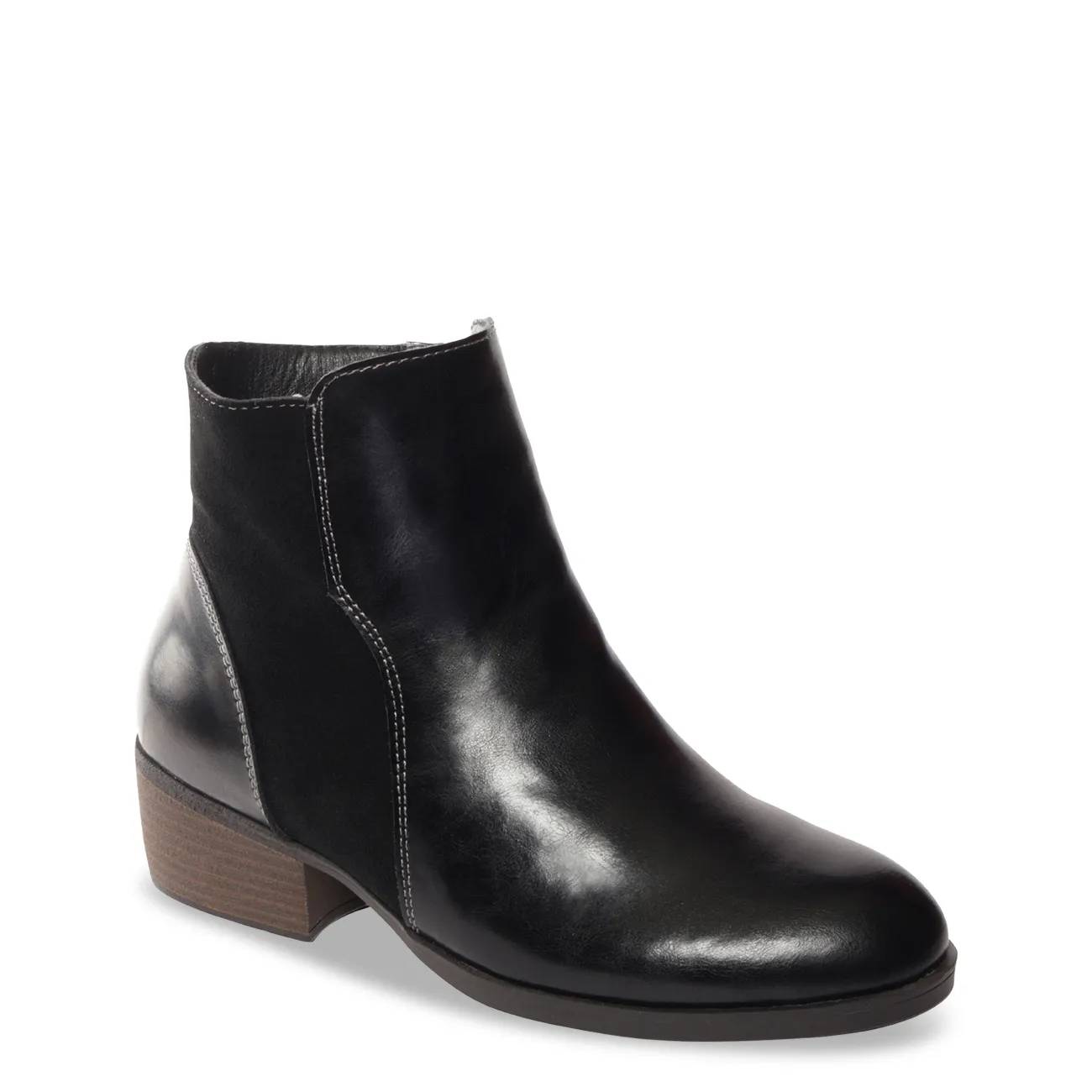
For dress boots meant for indoor events, a lower shaft and smoother sole make more sense than a heavy winter build. Shoppers comparing dress and winter styles should check current markdowns before committing to a full-price pair.
FAQs
What kind of boots work best for a Canadian winter?
A rubber lug outsole and a sealed, waterproof upper handle wet pavement and slush best. Enough insulation for extended time outdoors rounds out a solid winter build.
How do I know what size to get in women's boots?
Check the width listed on the product page. Boots run true to size in medium width, but wide feet need a wide-width option for a comfortable fit. Thicker socks call for sizing up half a size.
Are suede boots okay to wear in snow?
Suede needs a waterproofing spray before winter use. Untreated suede stains and stiffens after repeated exposure to wet snow.