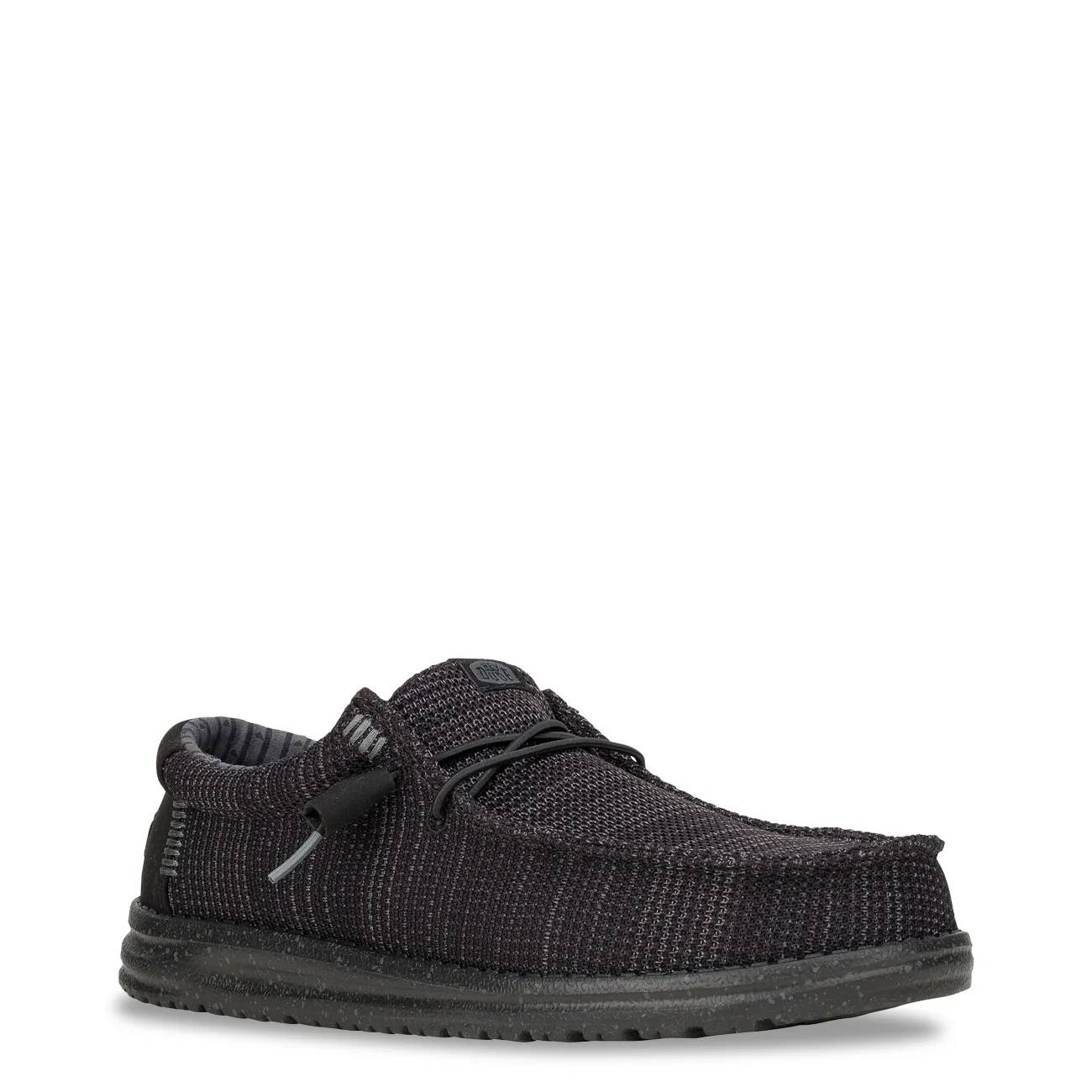
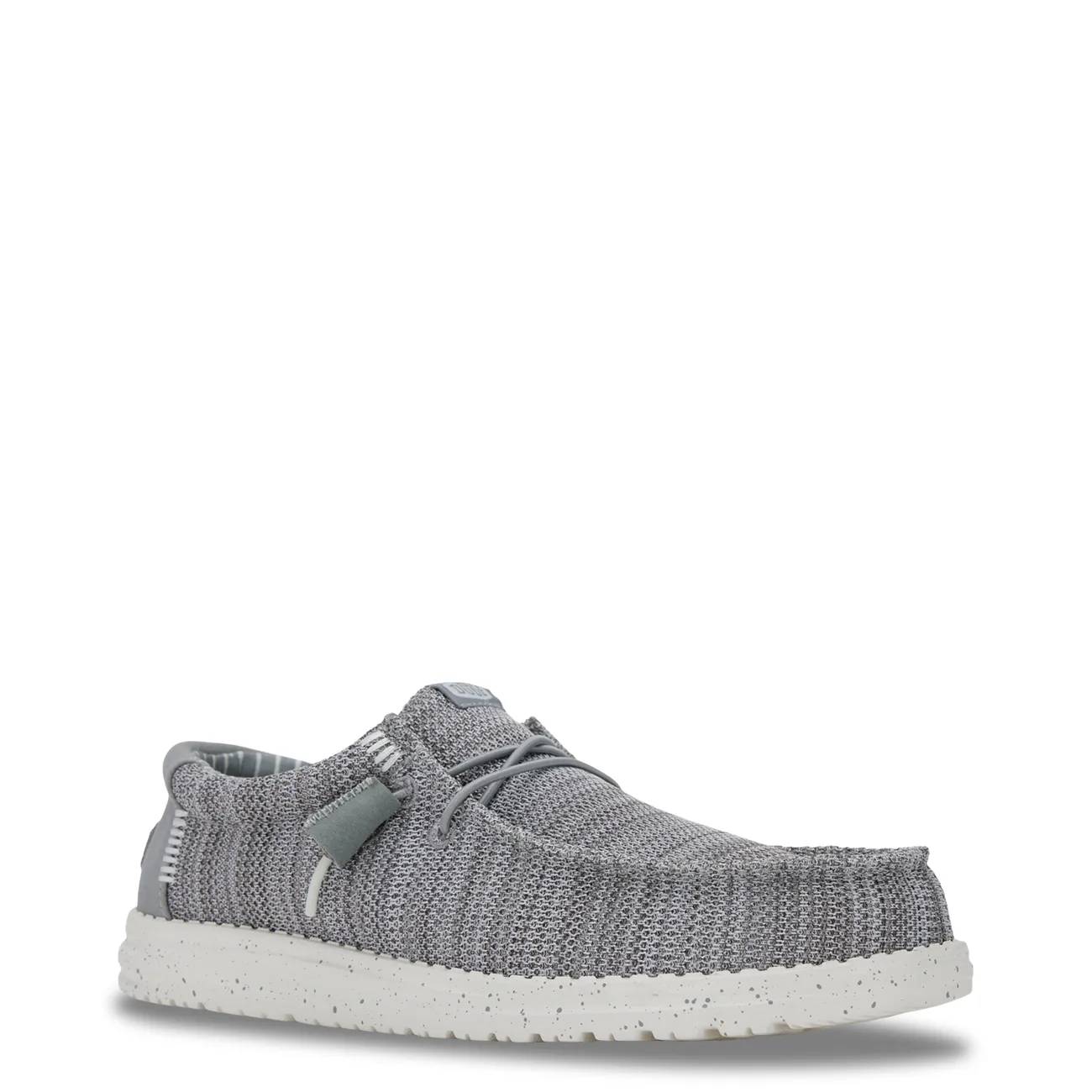
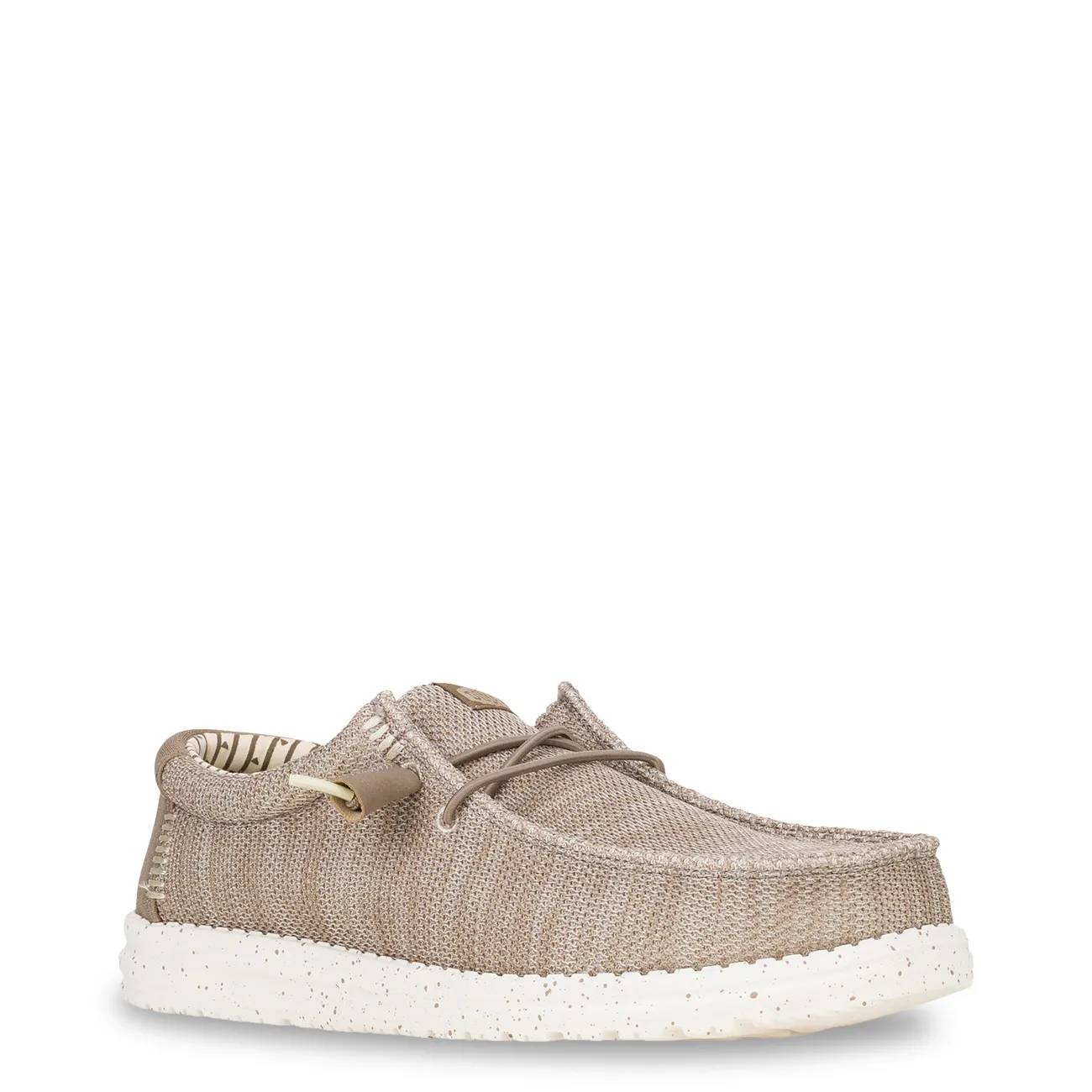
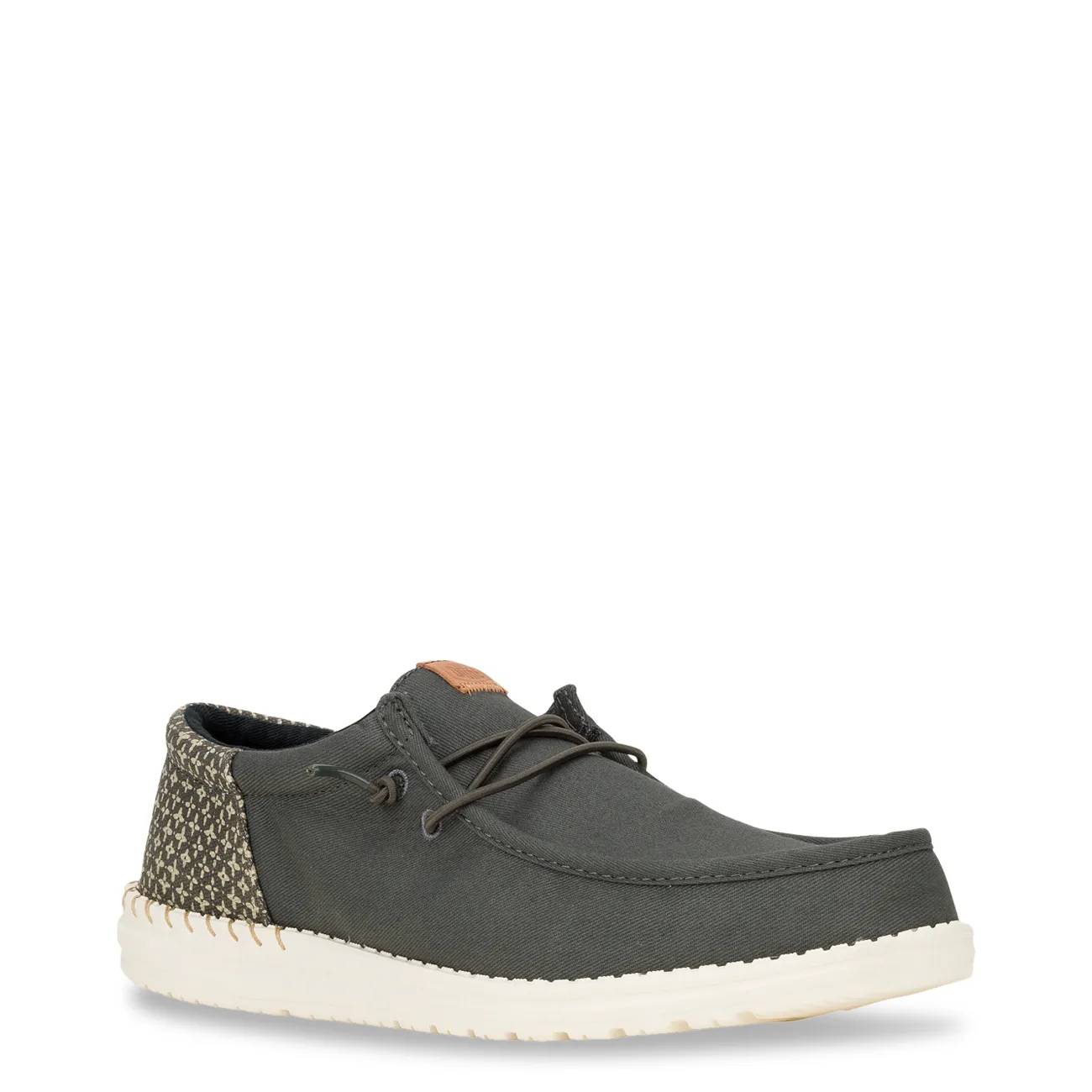
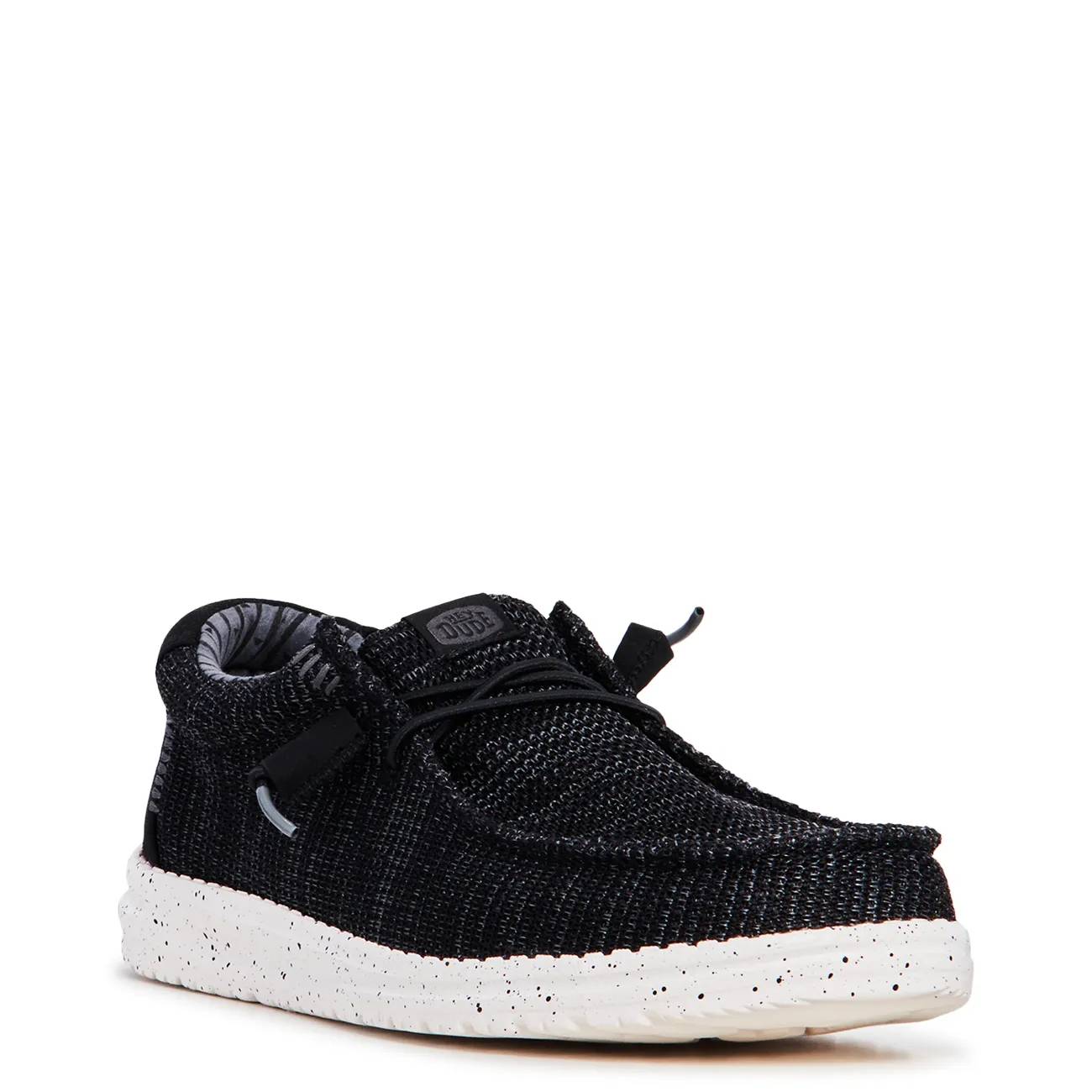
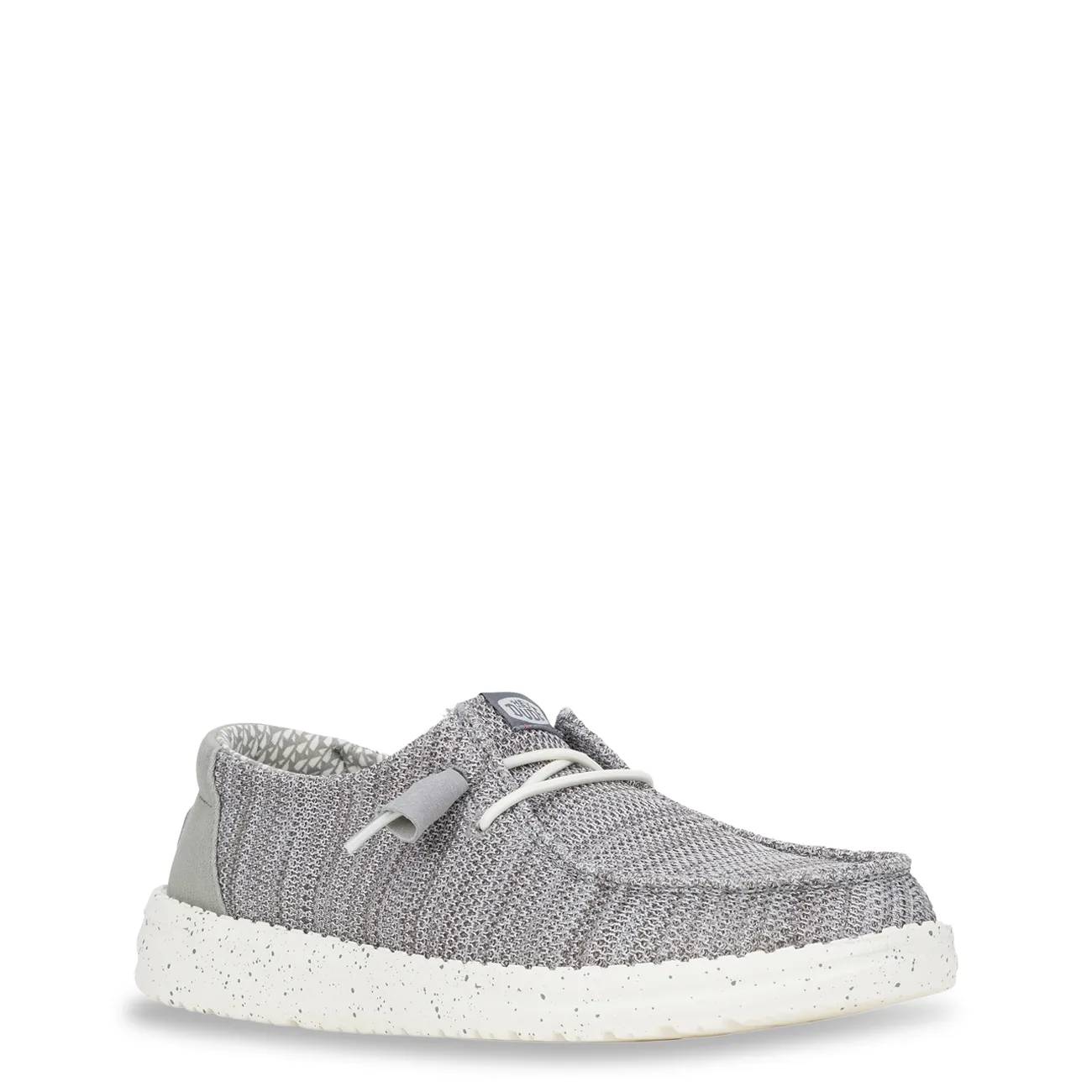
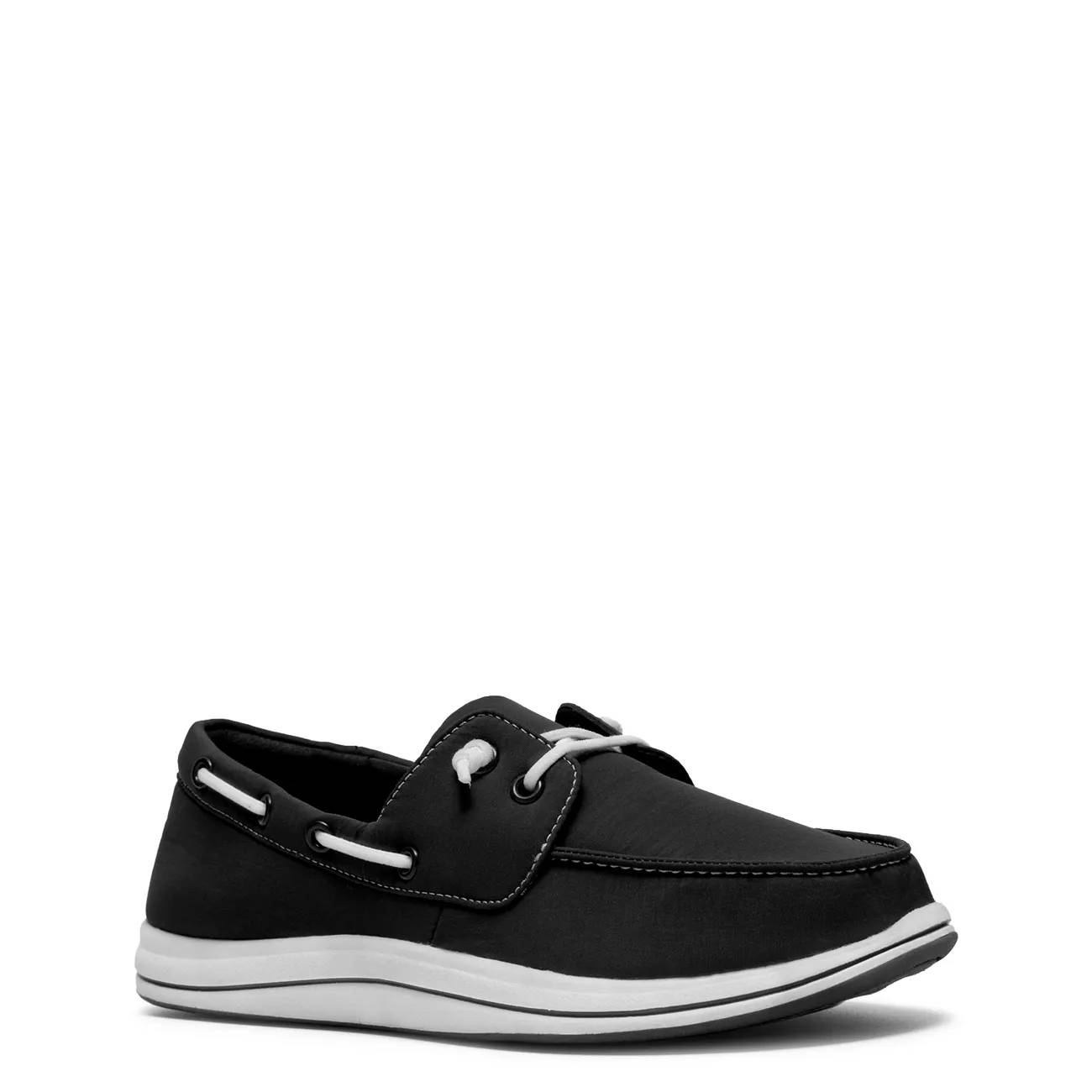
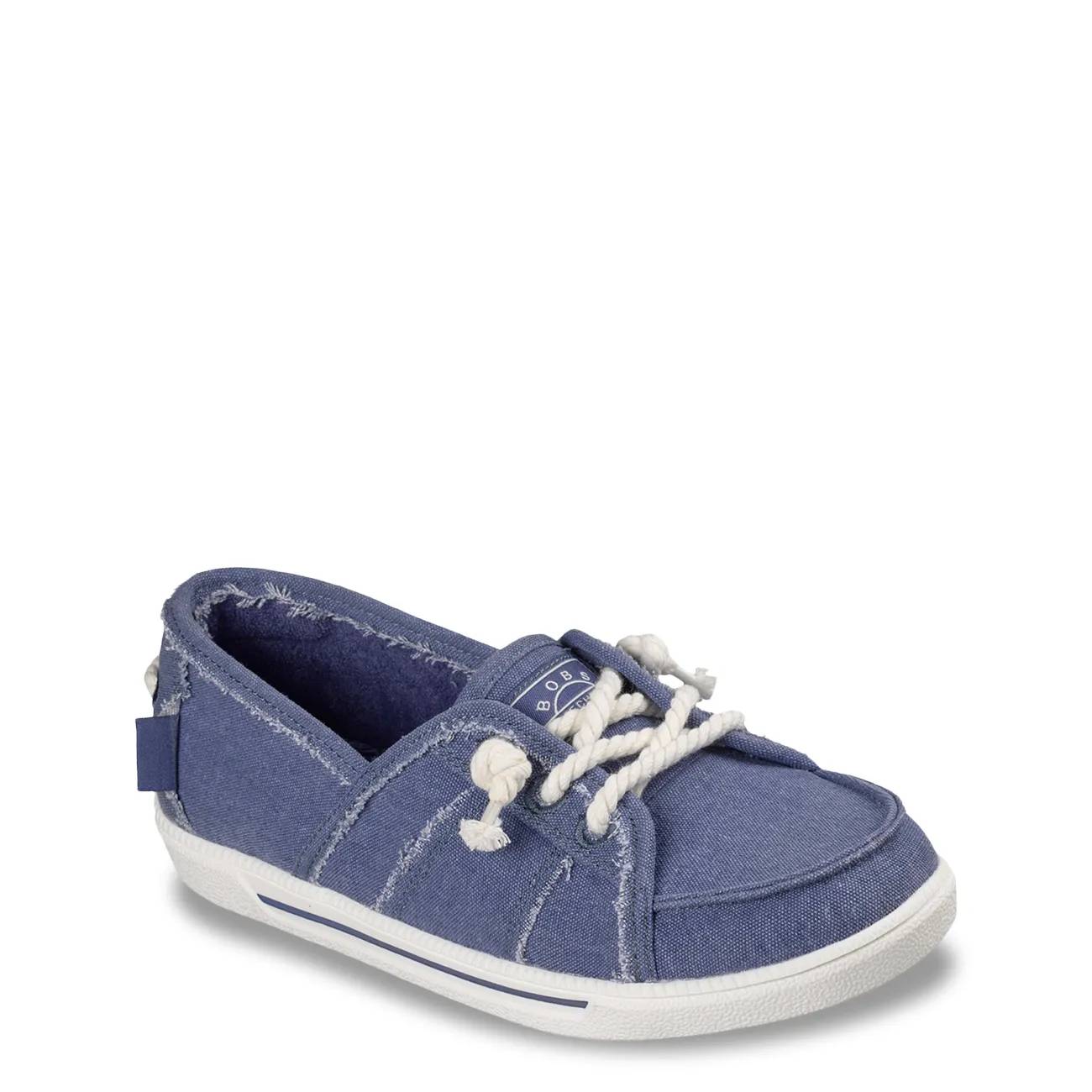
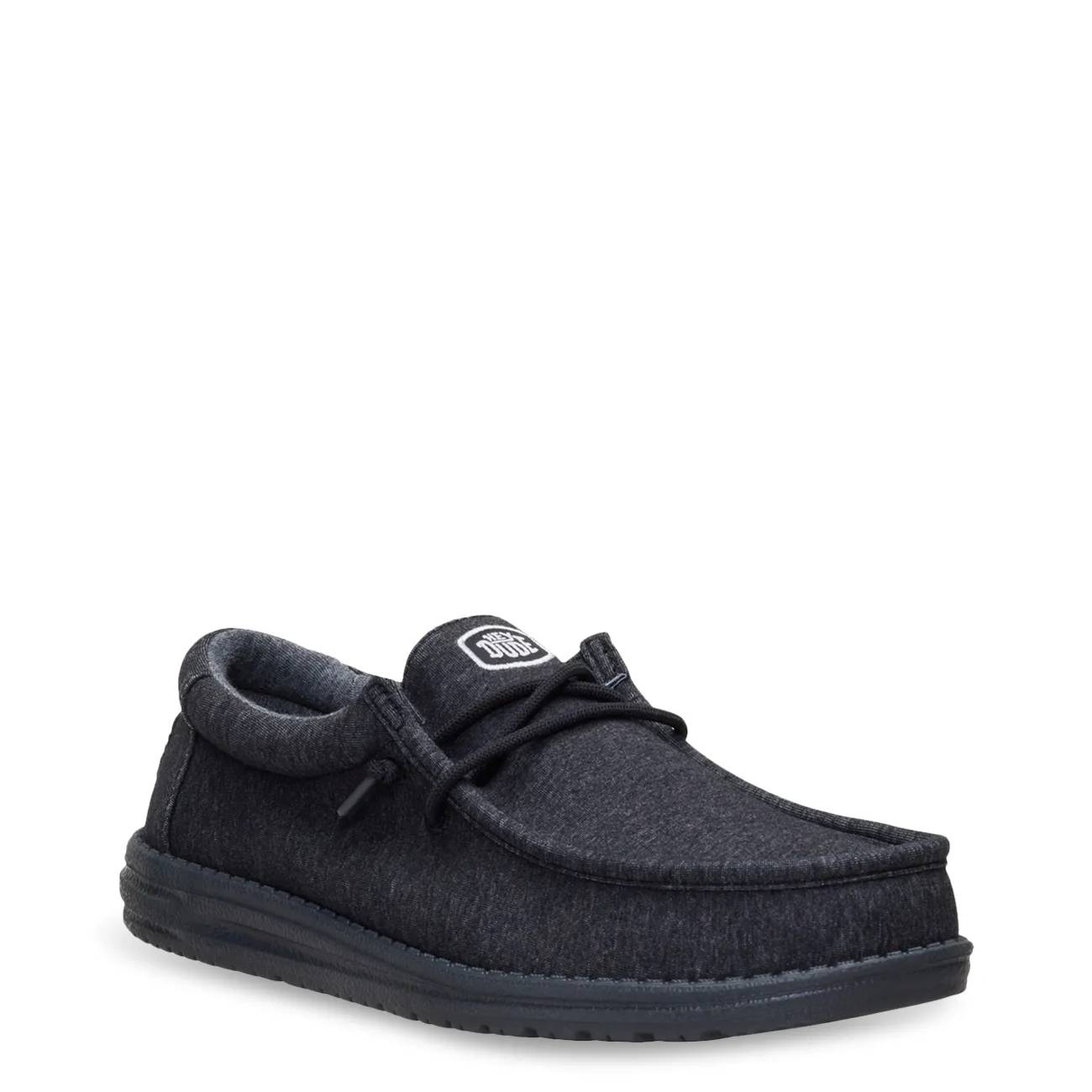
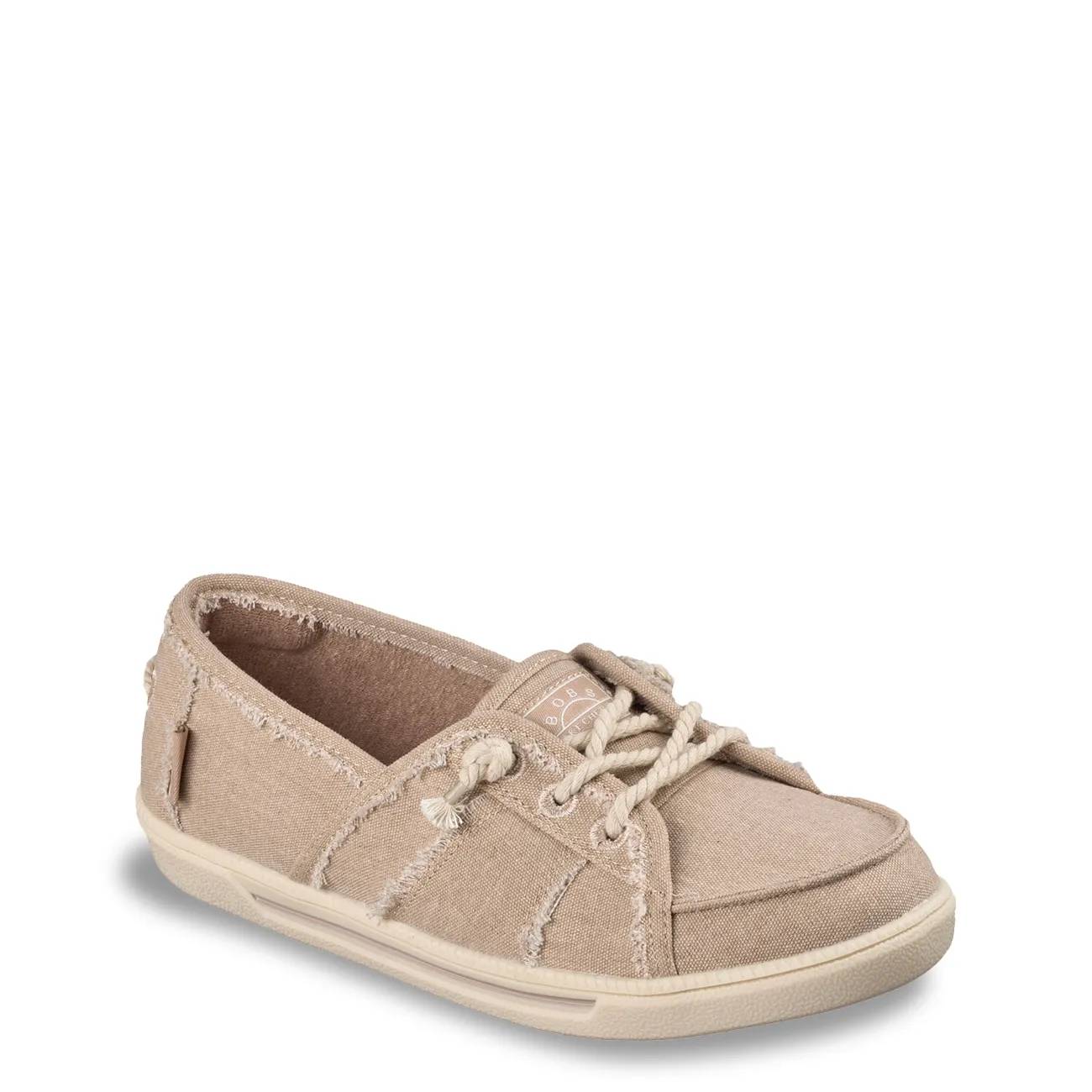
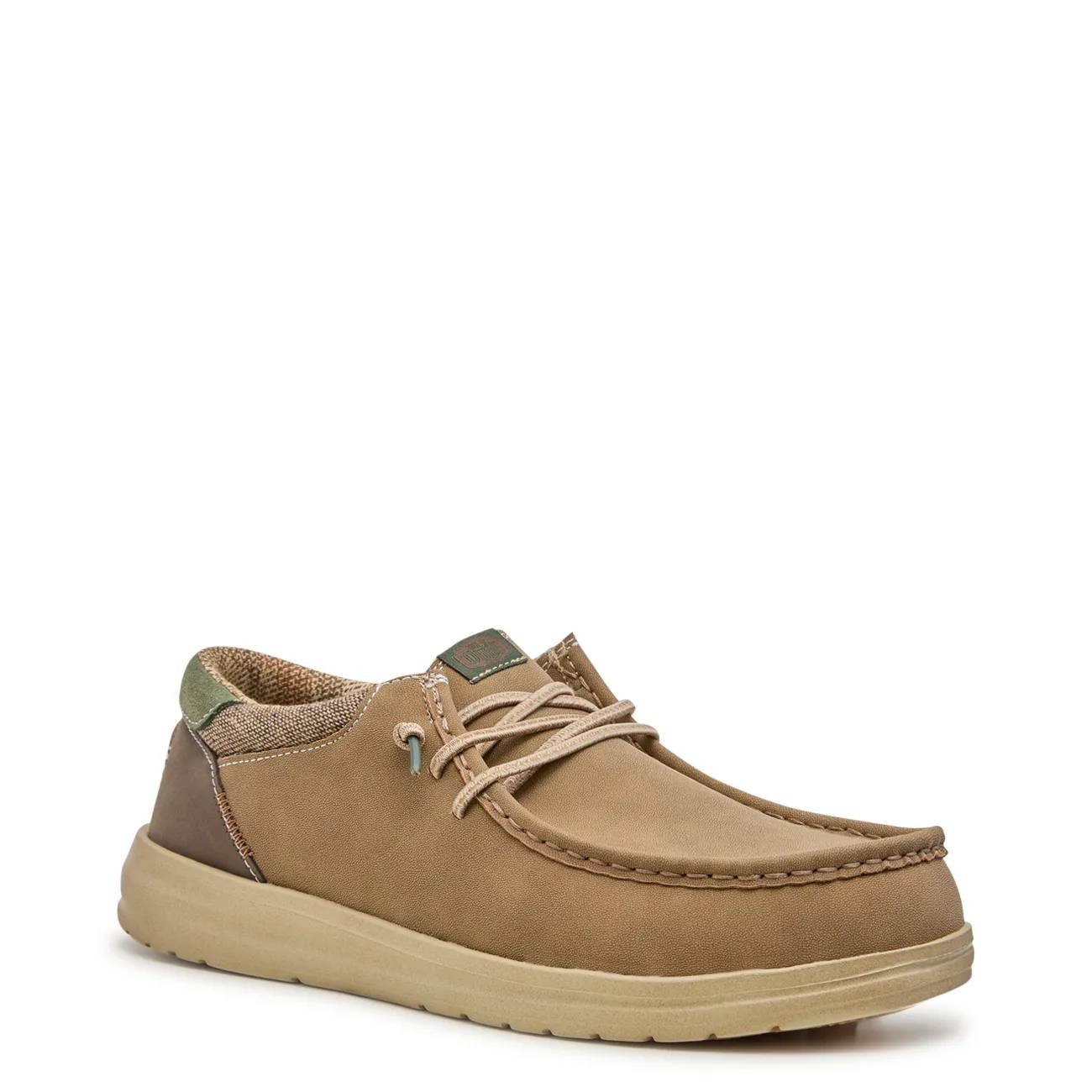
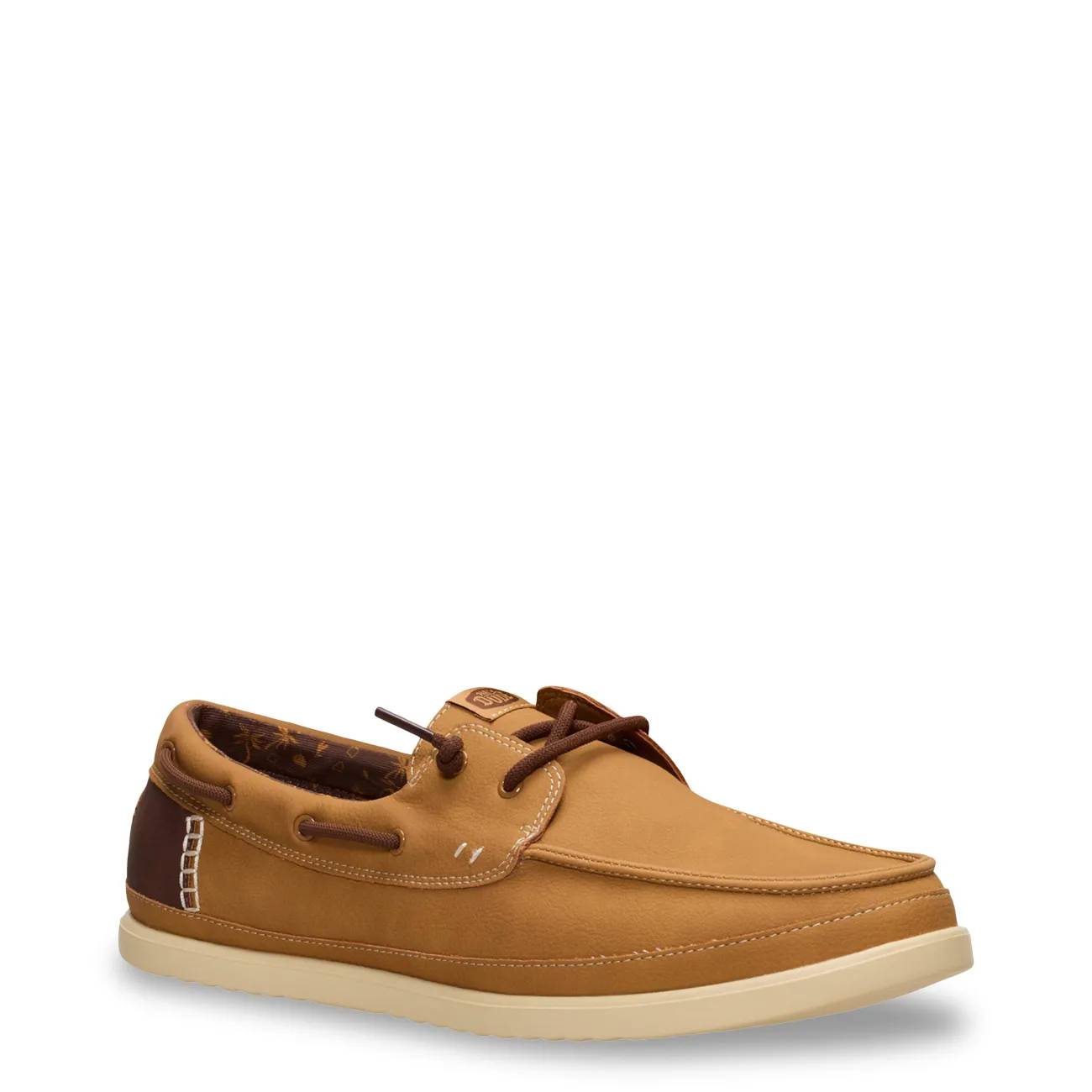
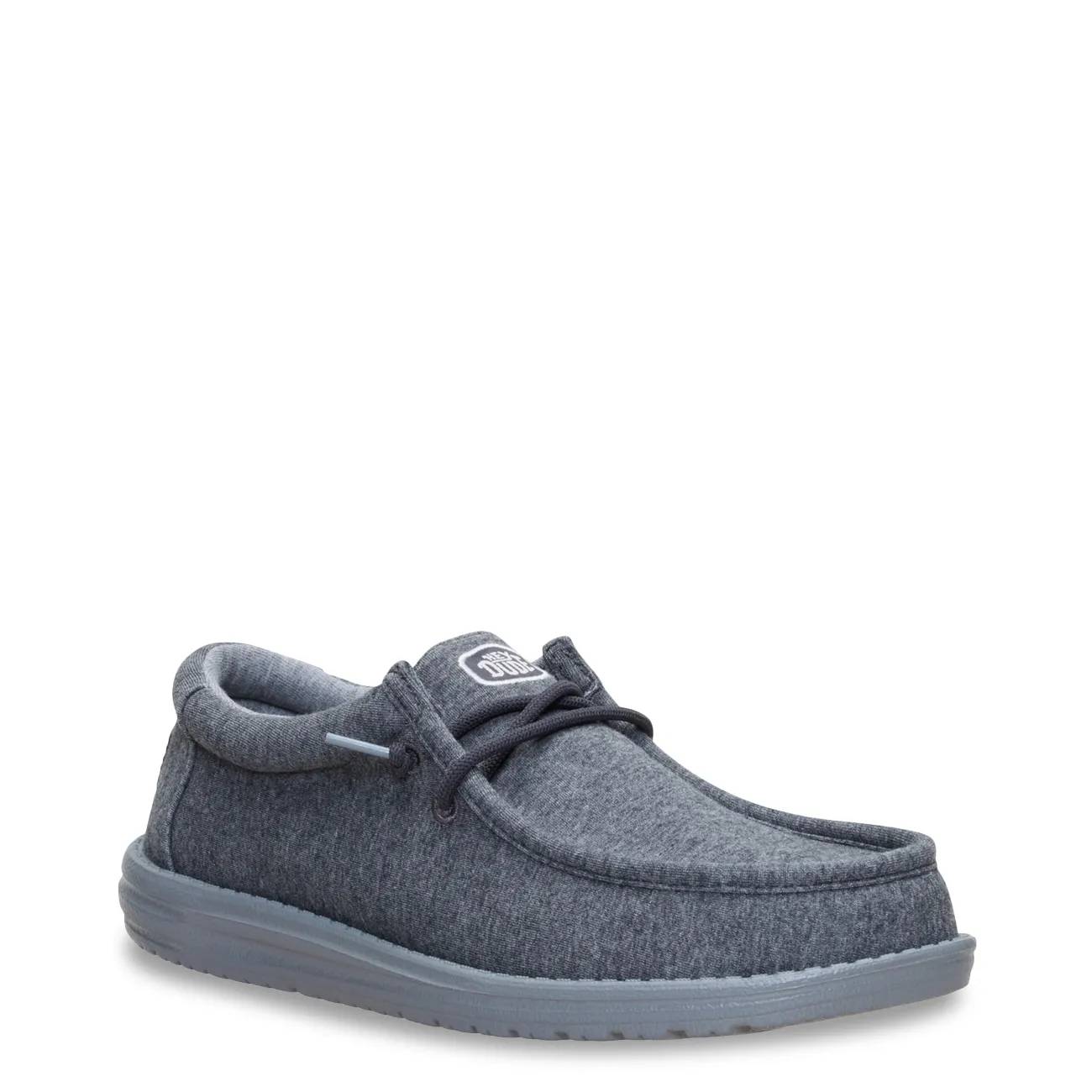
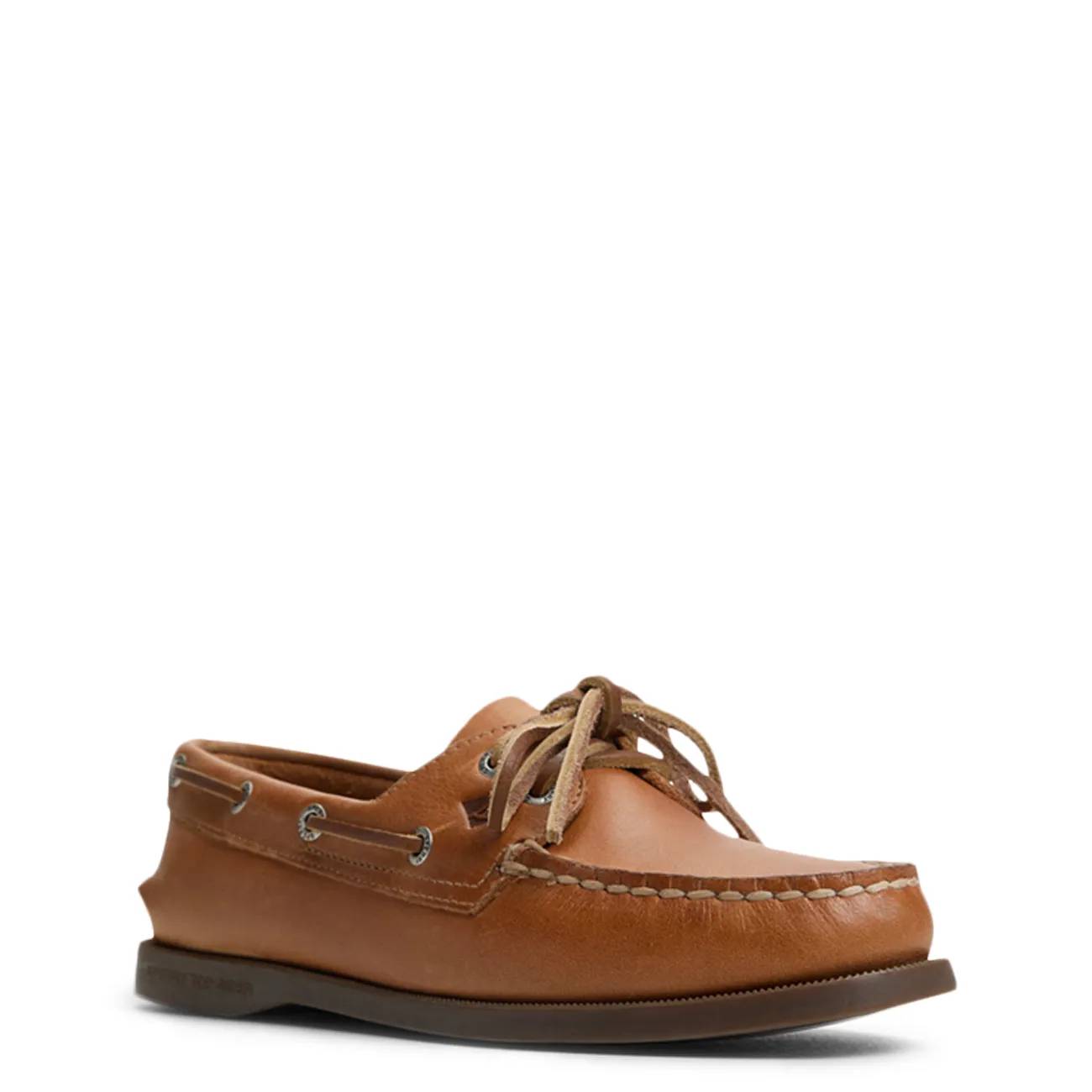
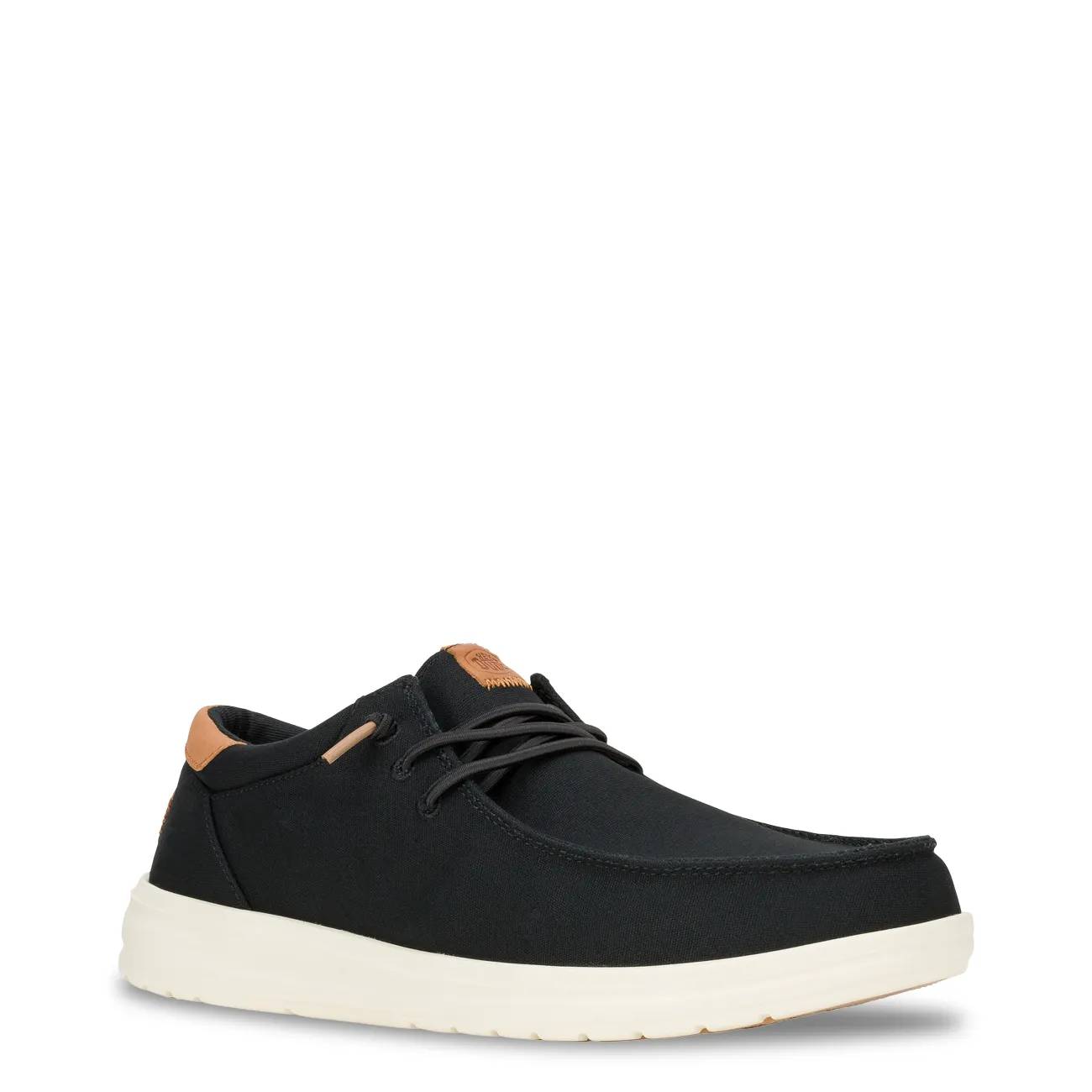
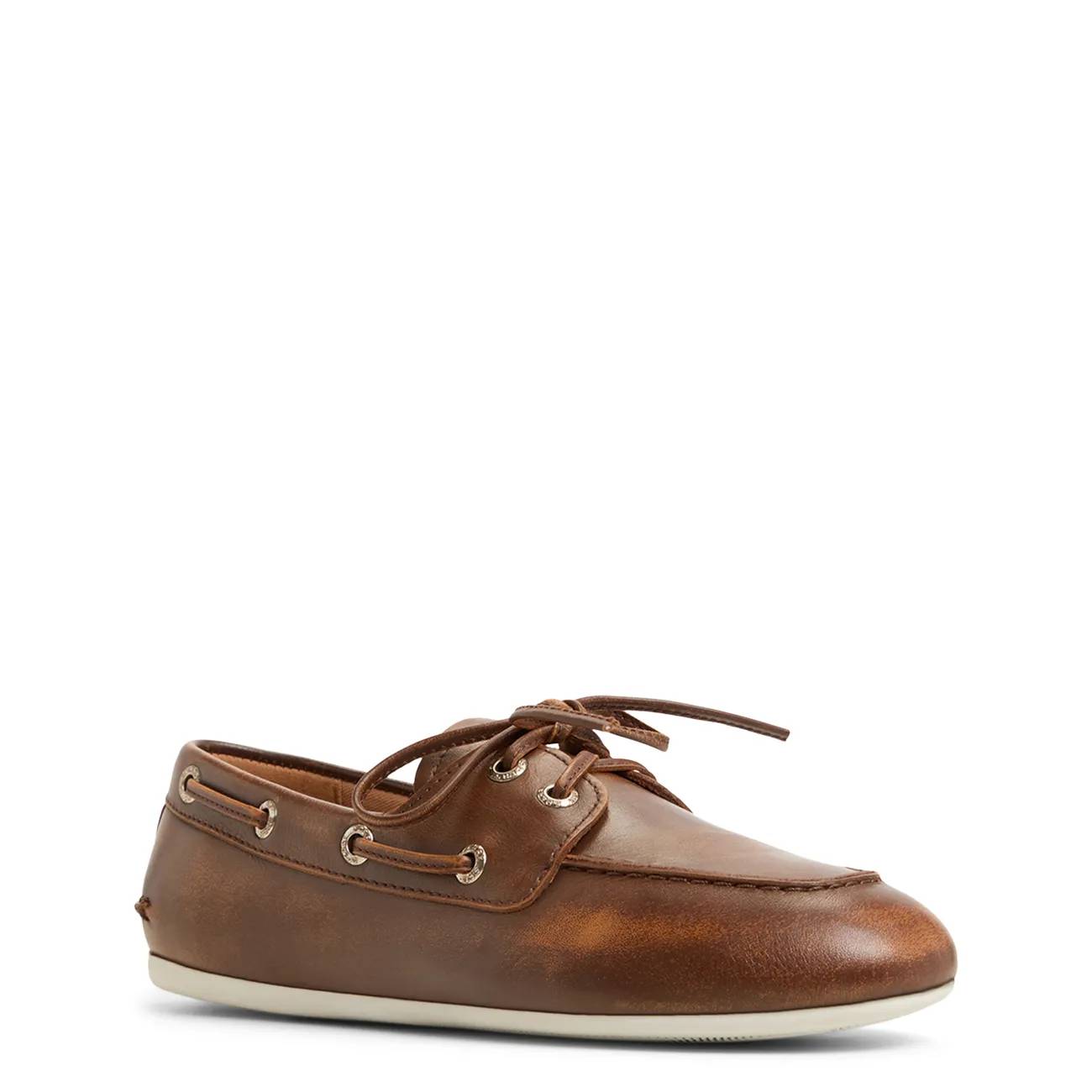
Boat Shoes: Built for Wet Decks and Warm-Weather Days
Boat shoes trace back to sailing decks, where a slip-resistant sole and a leather upper had to survive salt water and hard use. That heritage still shapes the shoe today: a moccasin-style construction, a rawhide lace, and a sole cut with fine grooves for grip on wet surfaces. The Shoe Company carries boat shoes built for the same job, gripping wet dock boards or a rain-slicked patio. The construction holds up because it was built for salt water first.
Classic Construction and Styles
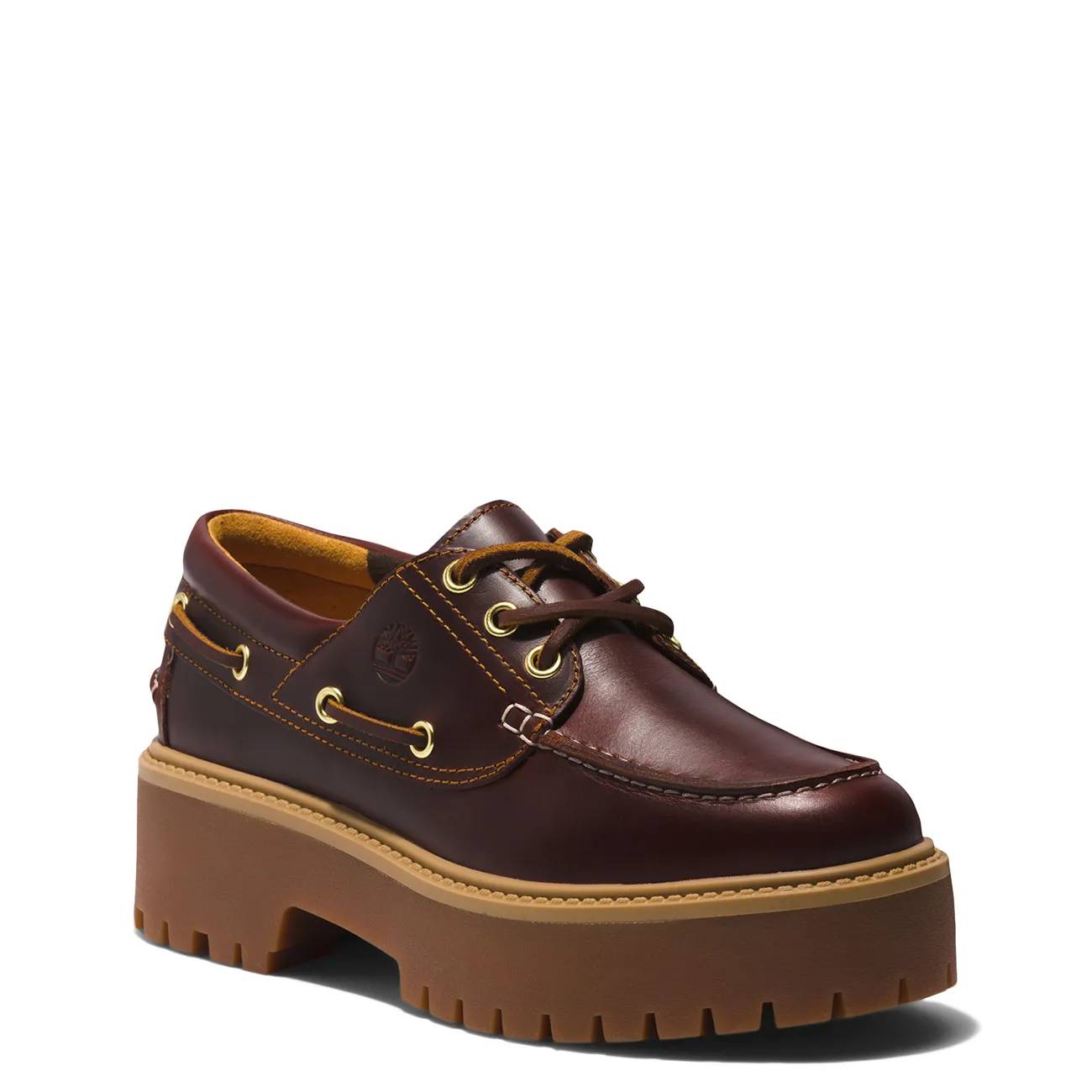
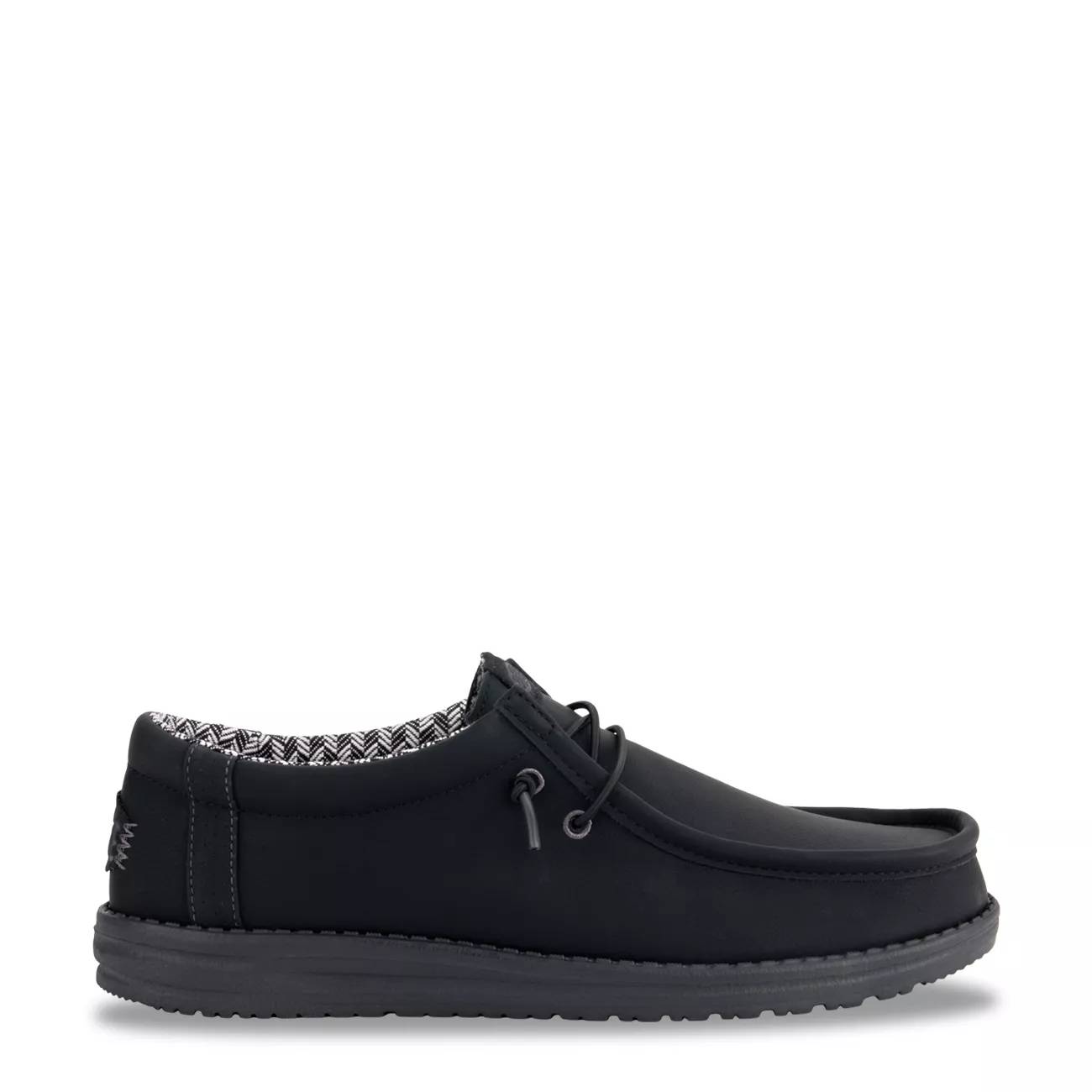
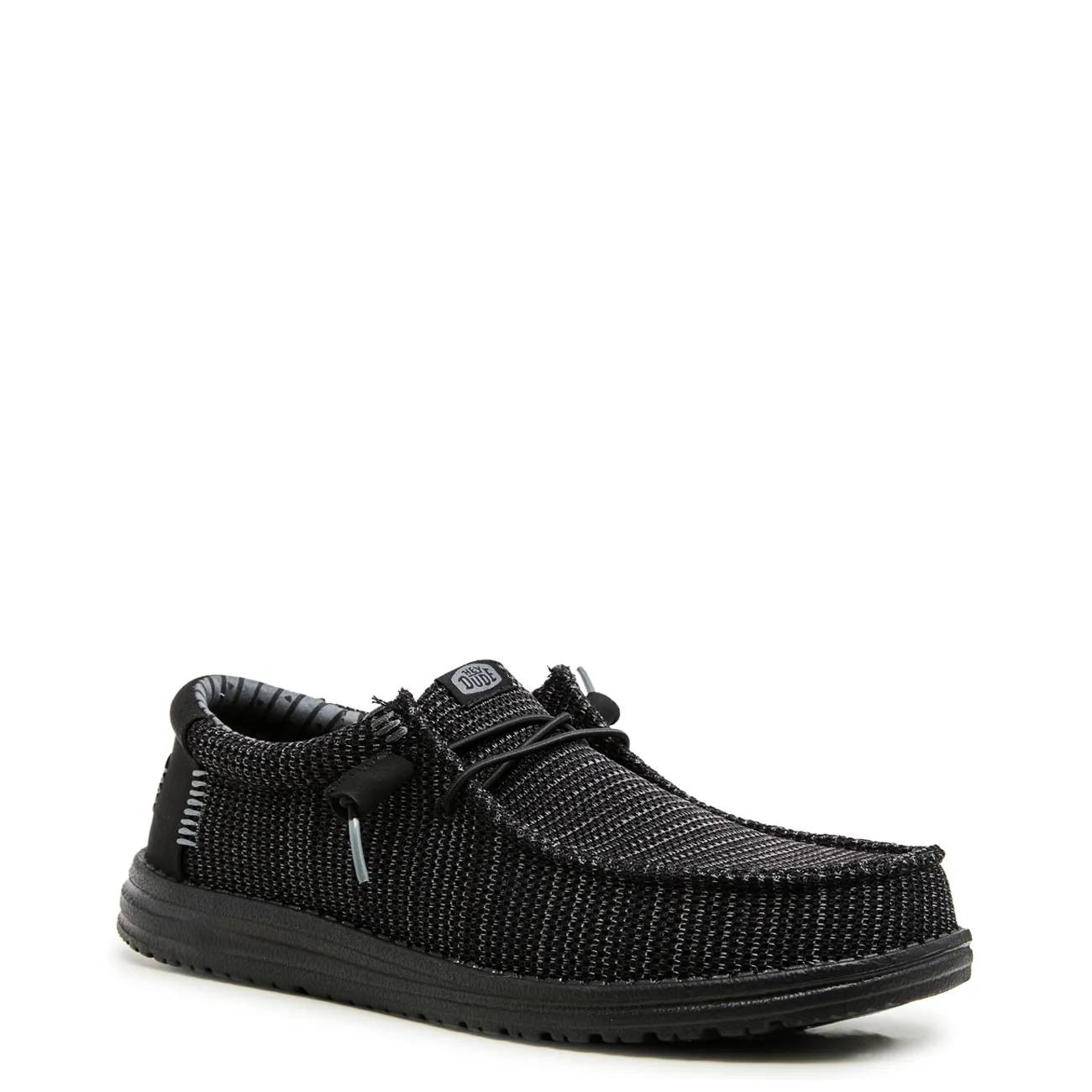
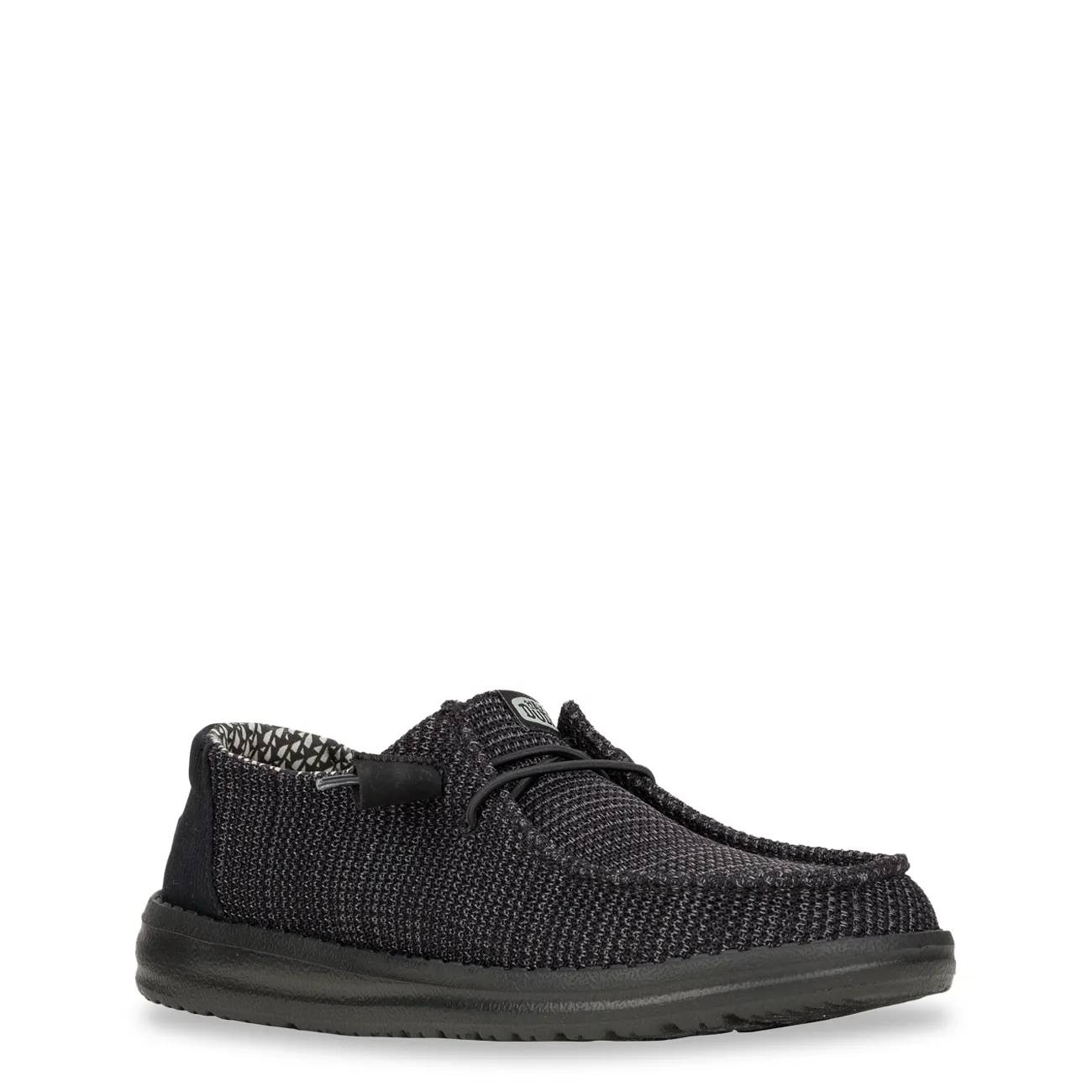
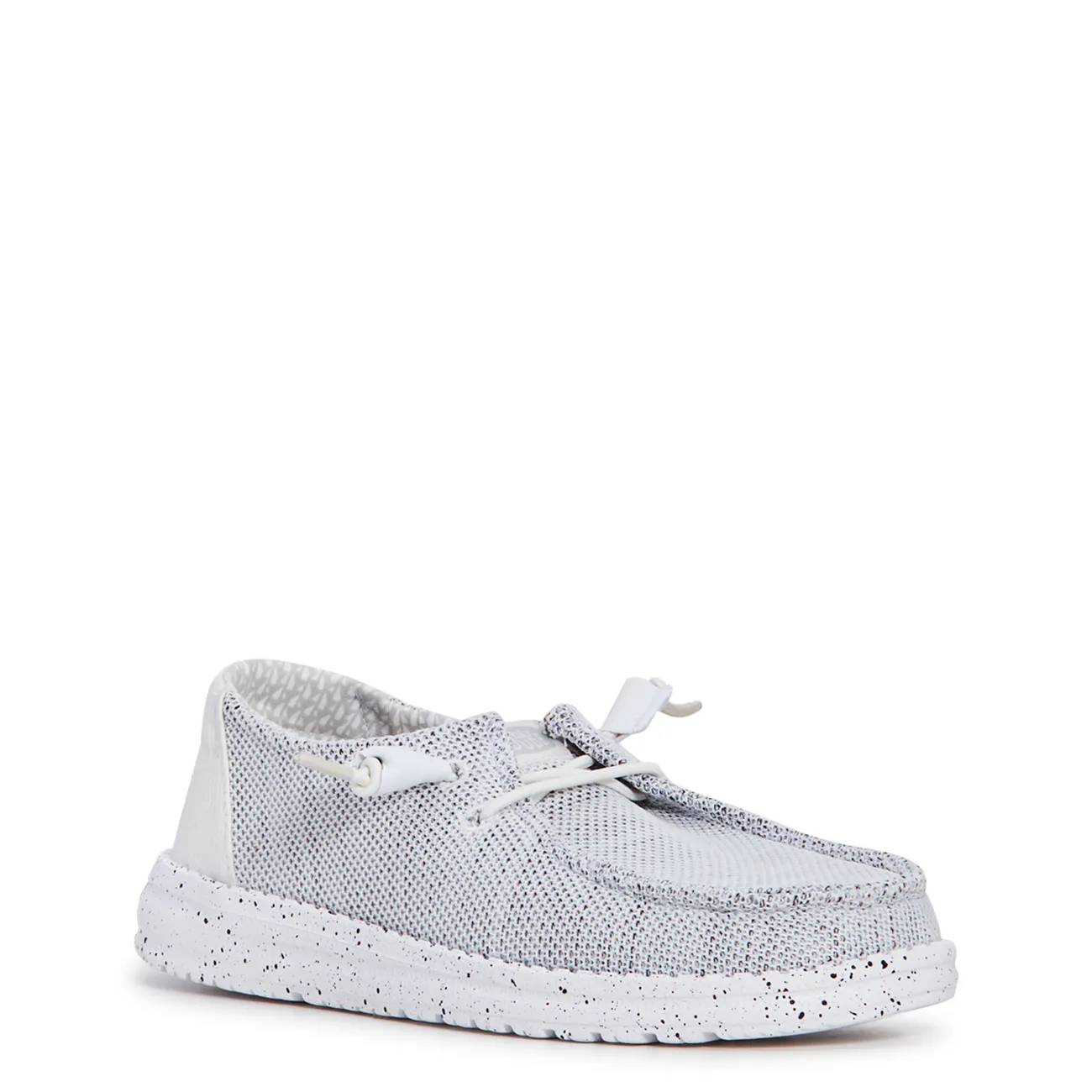
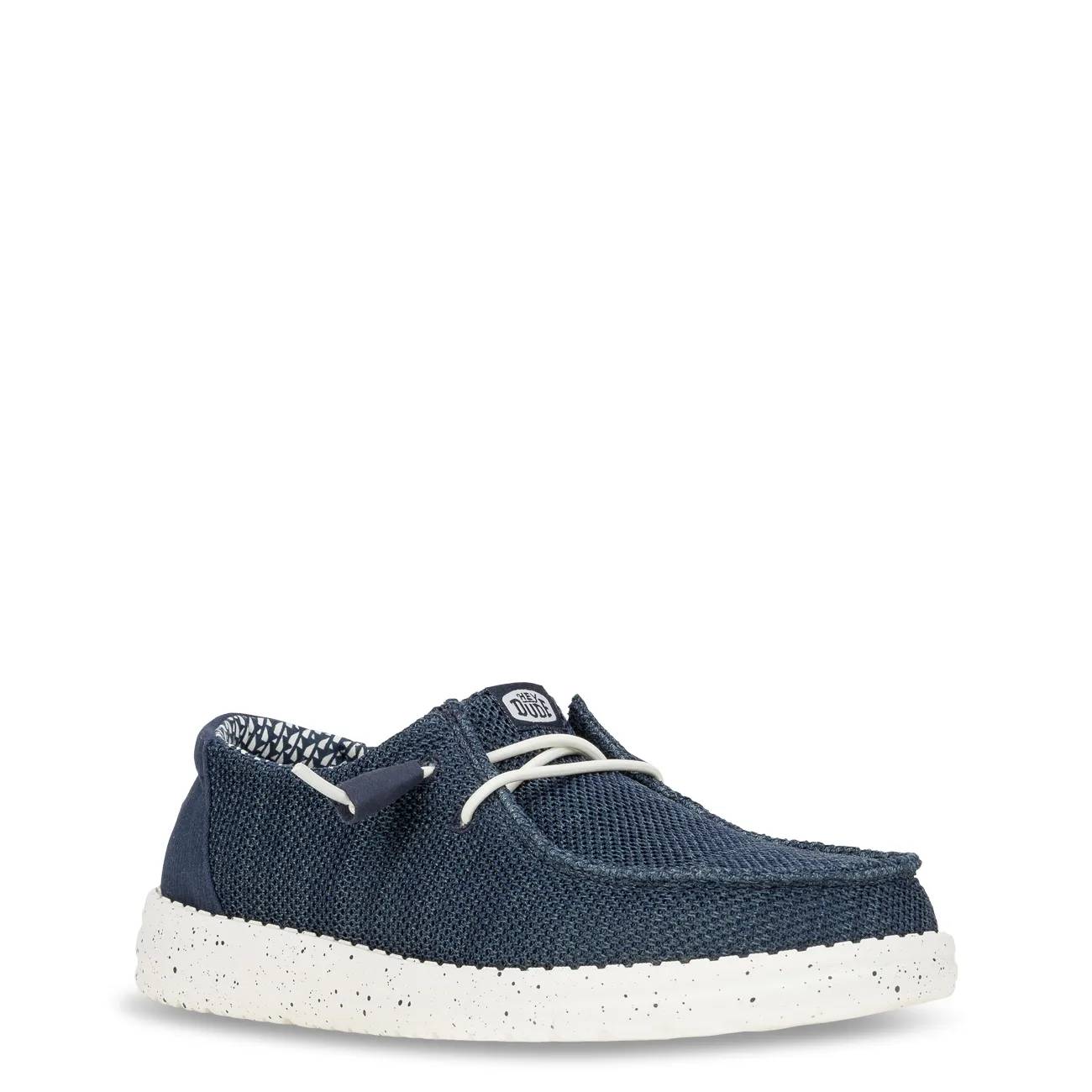
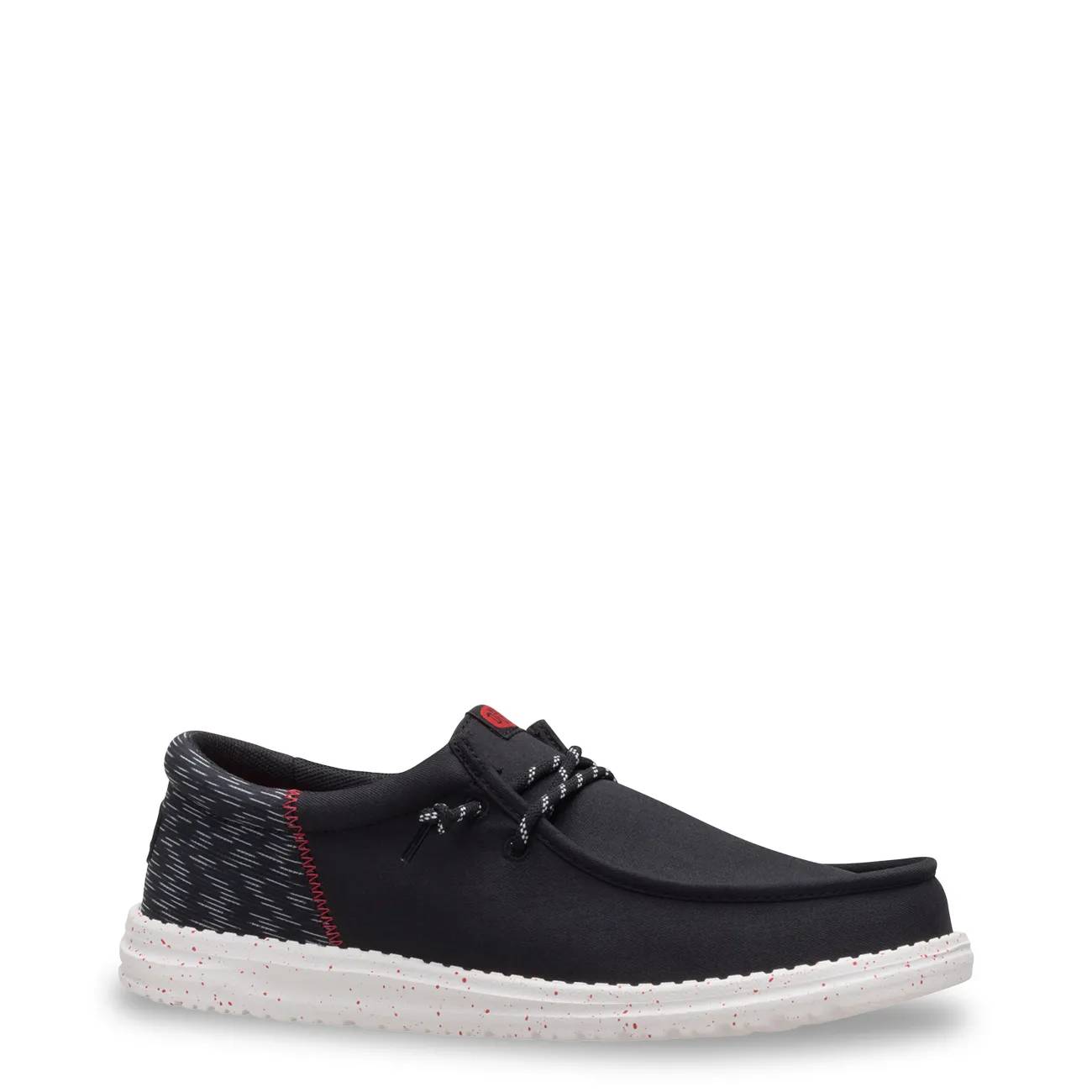
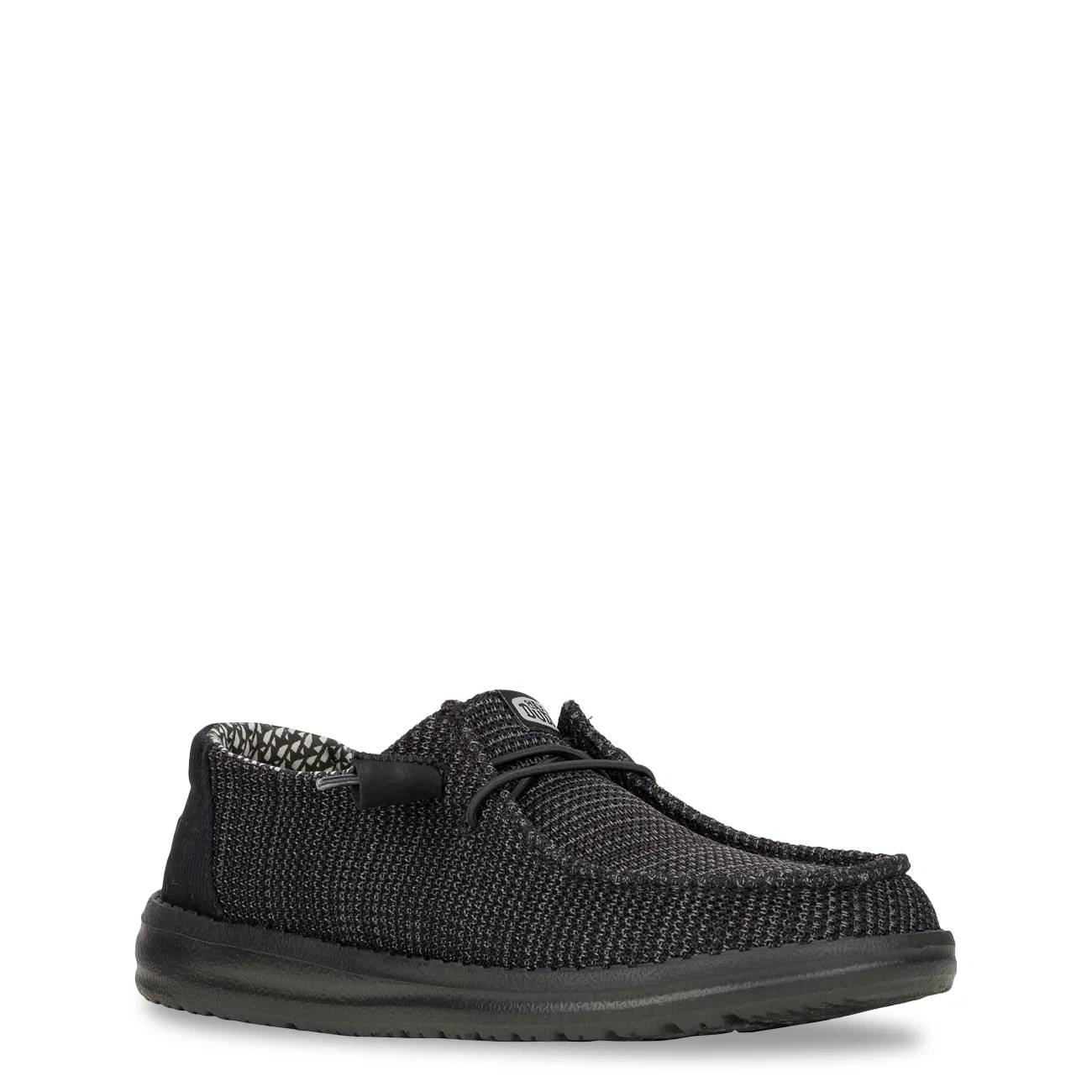
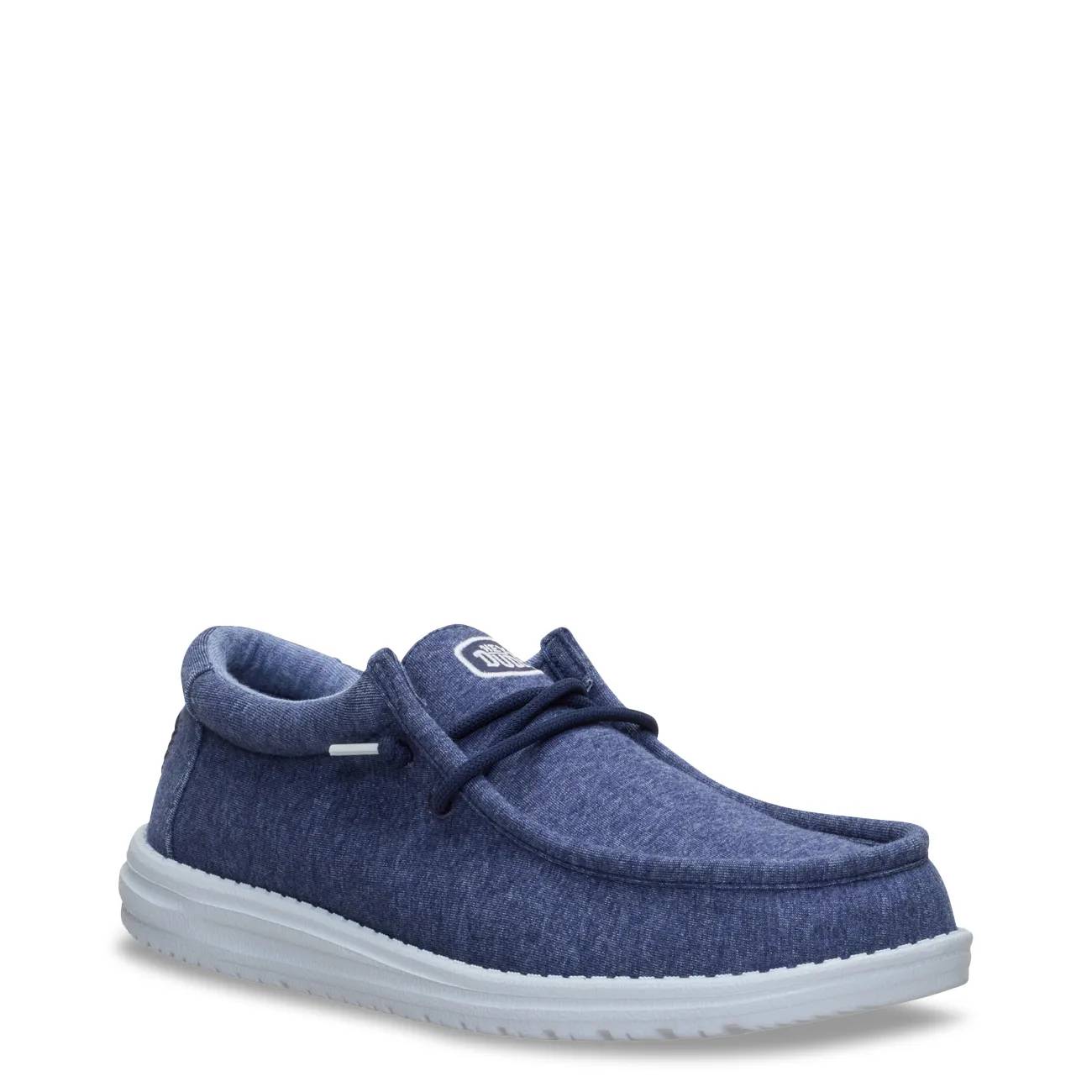
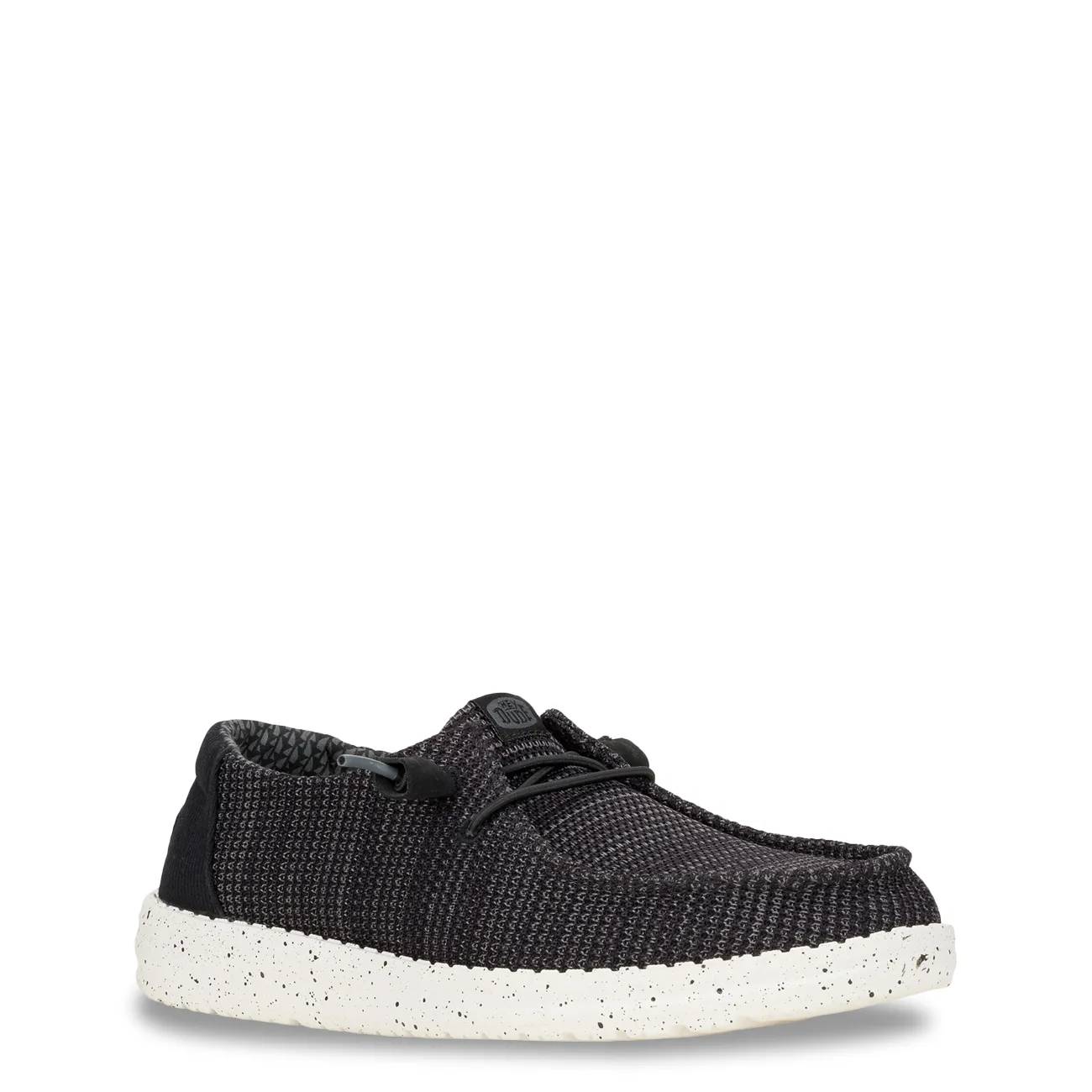
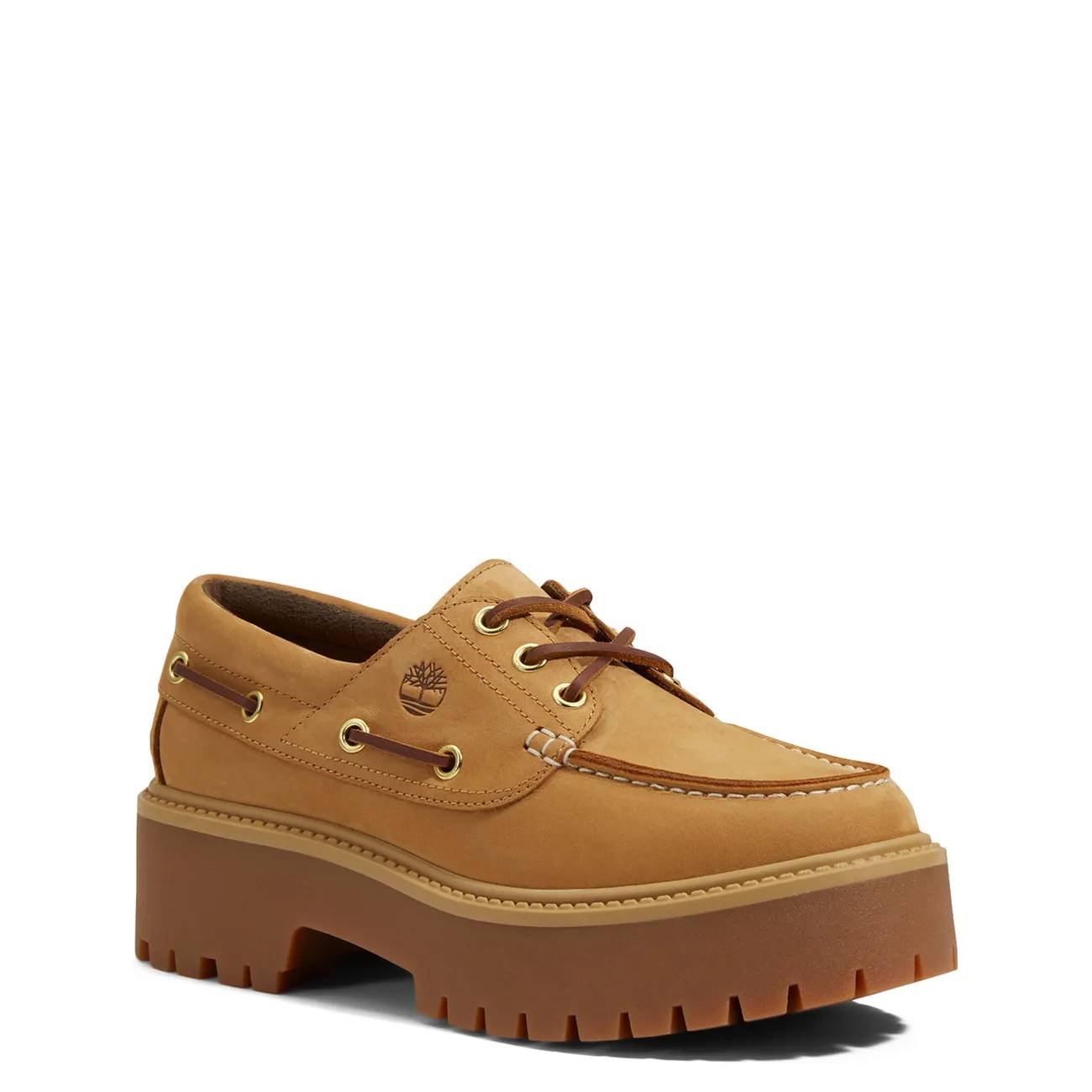
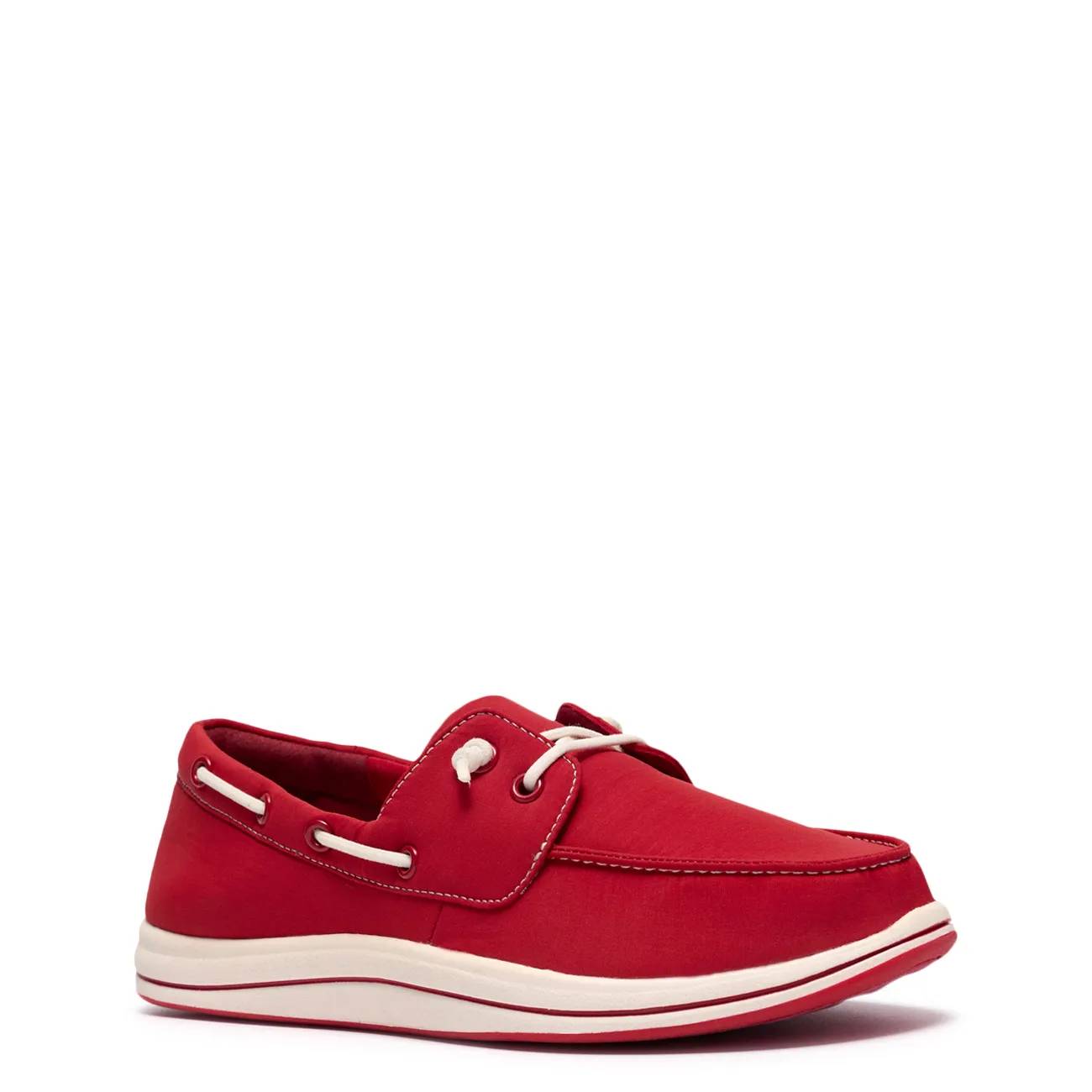
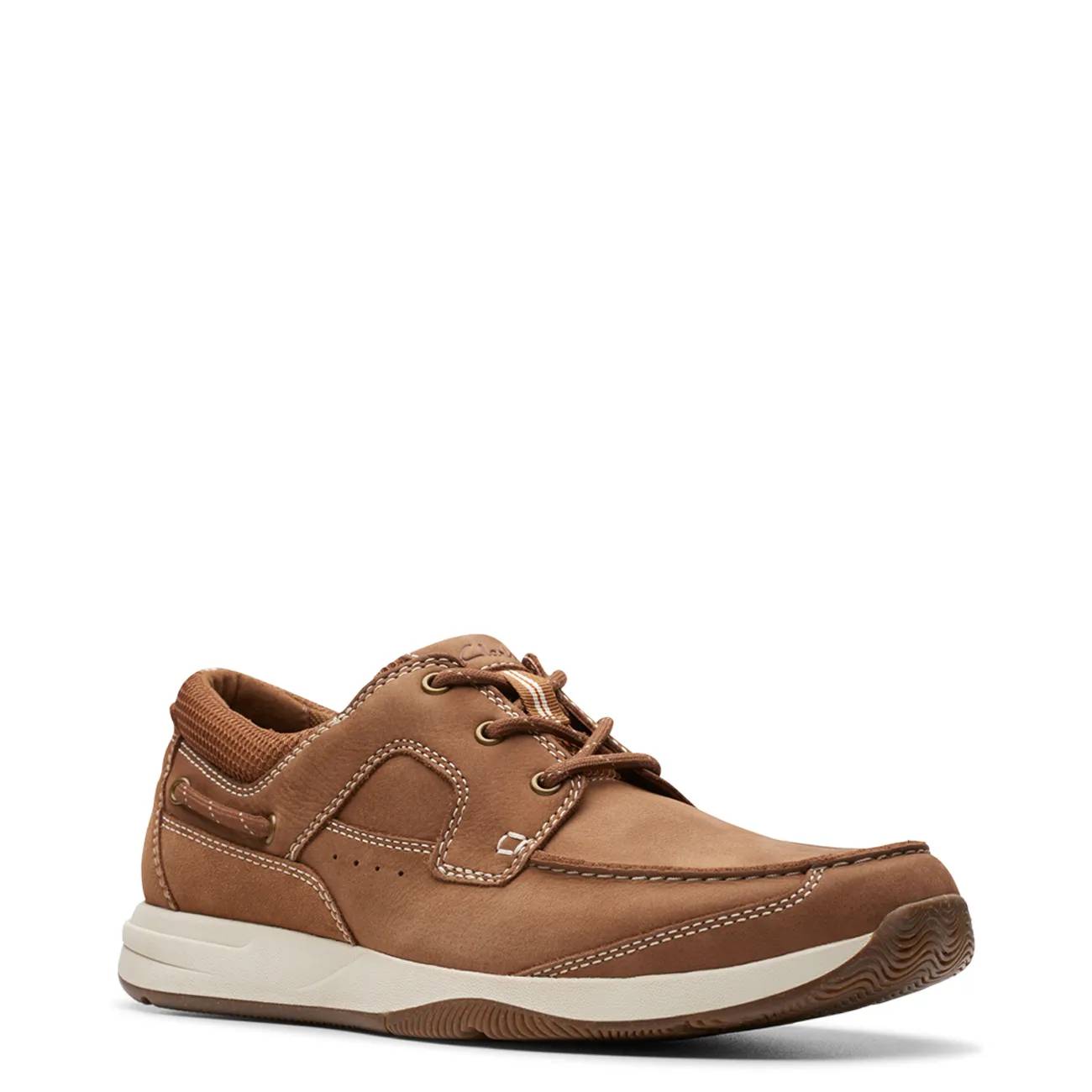
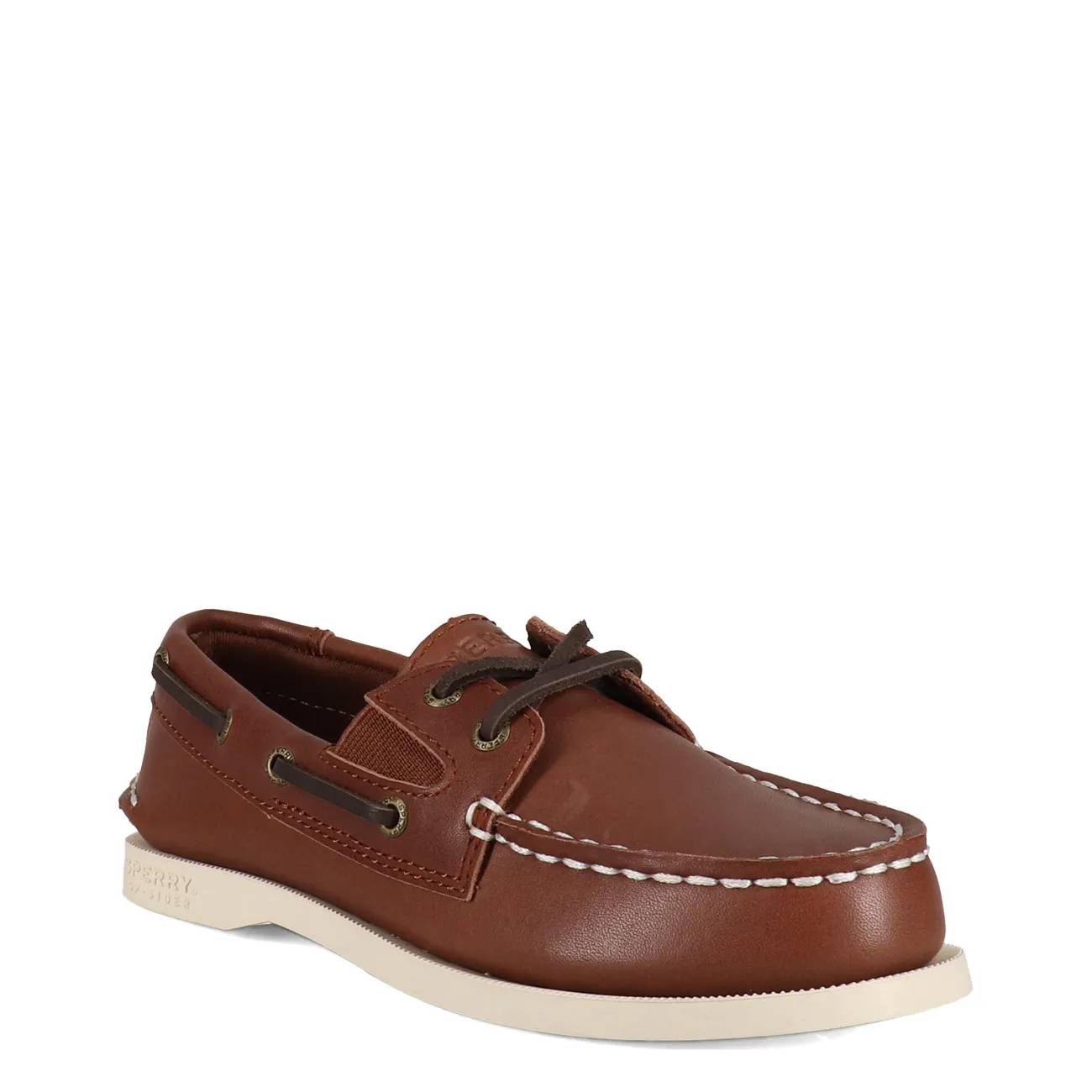
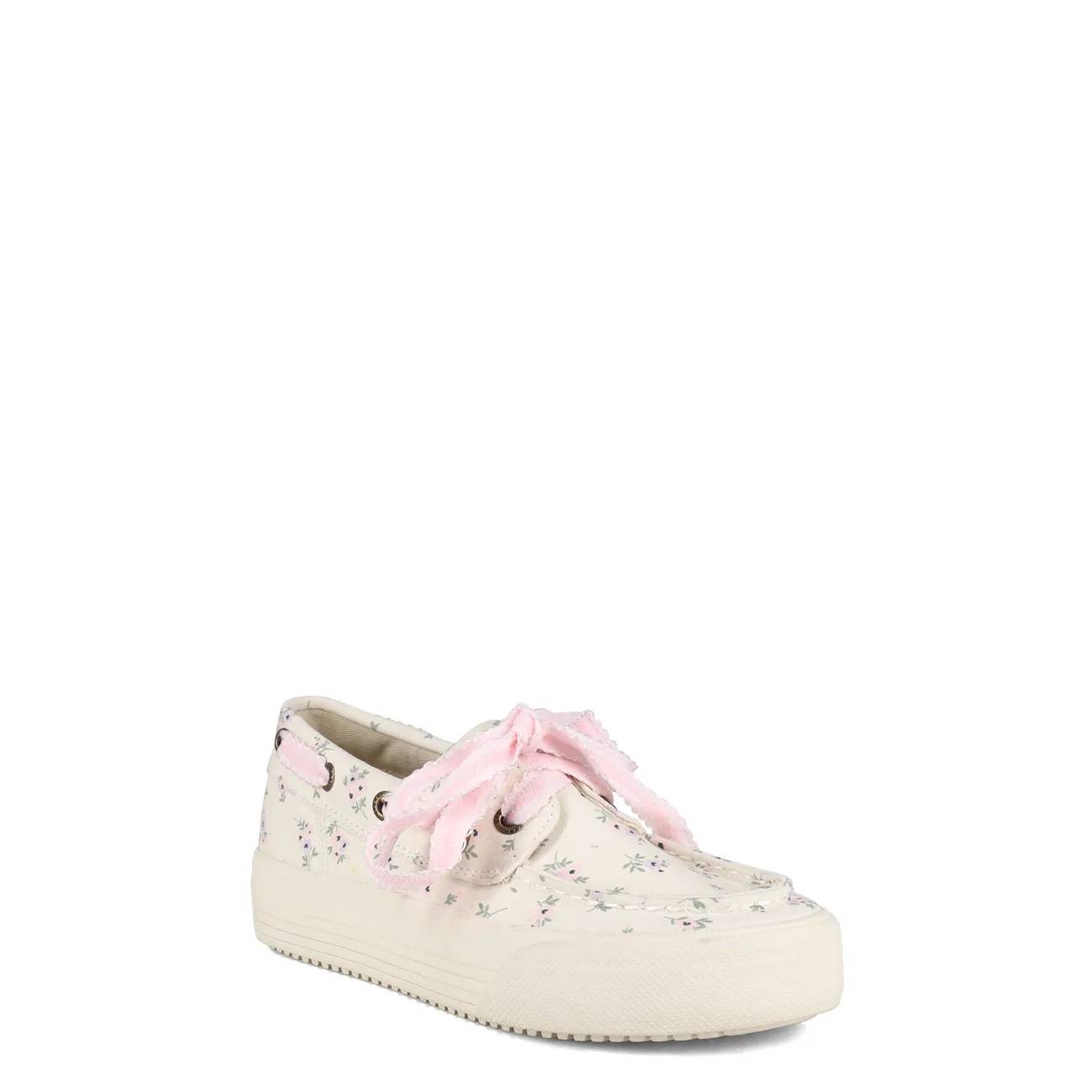
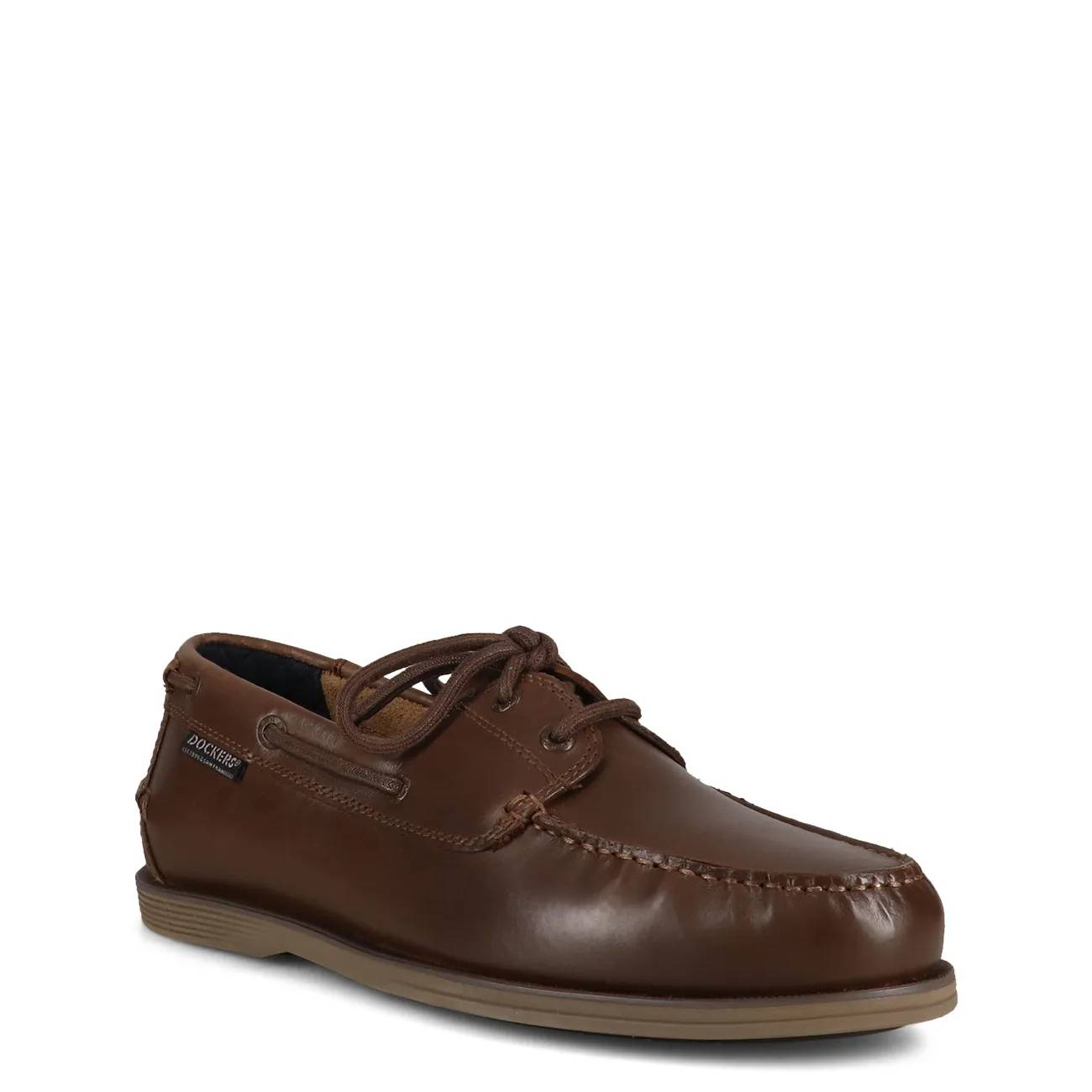
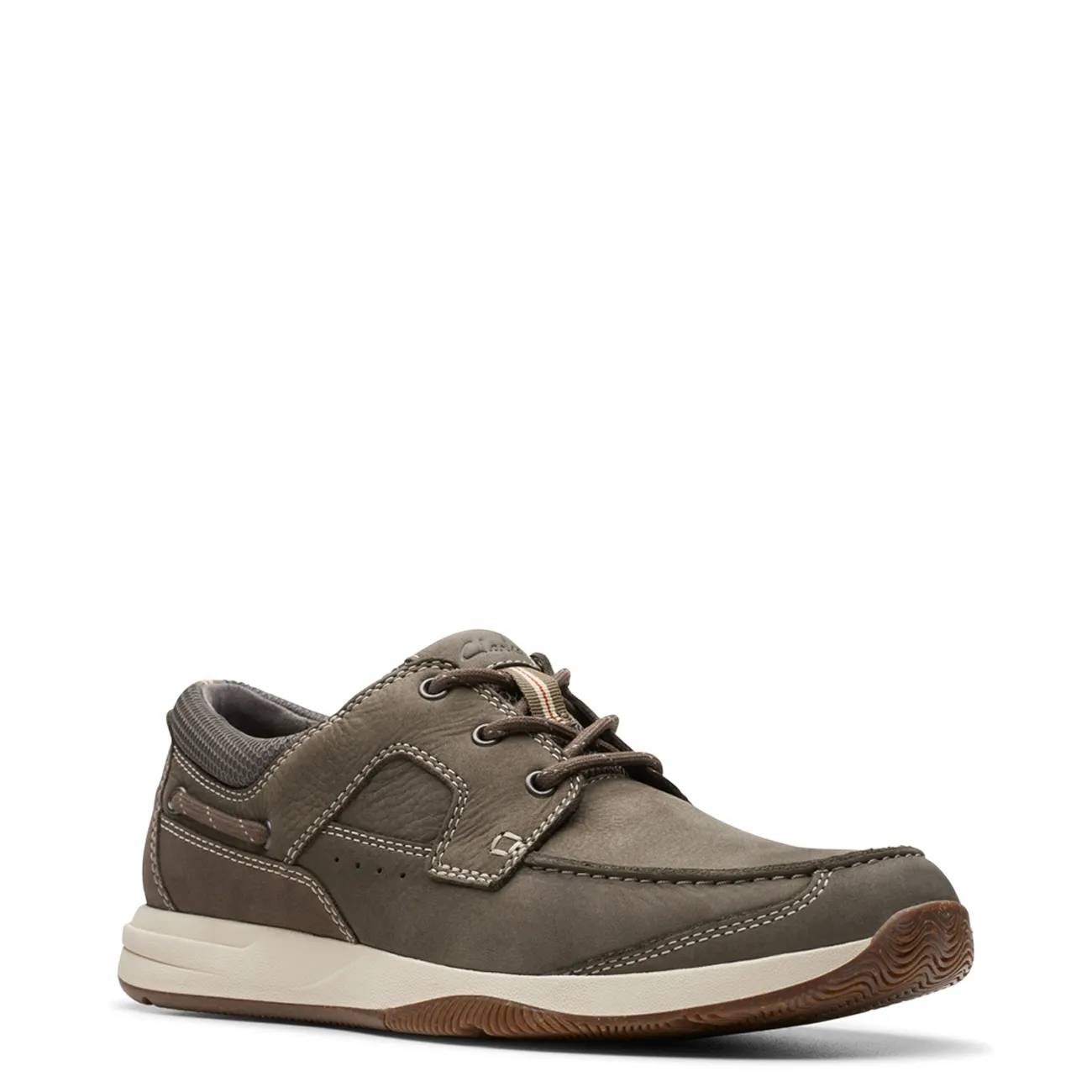
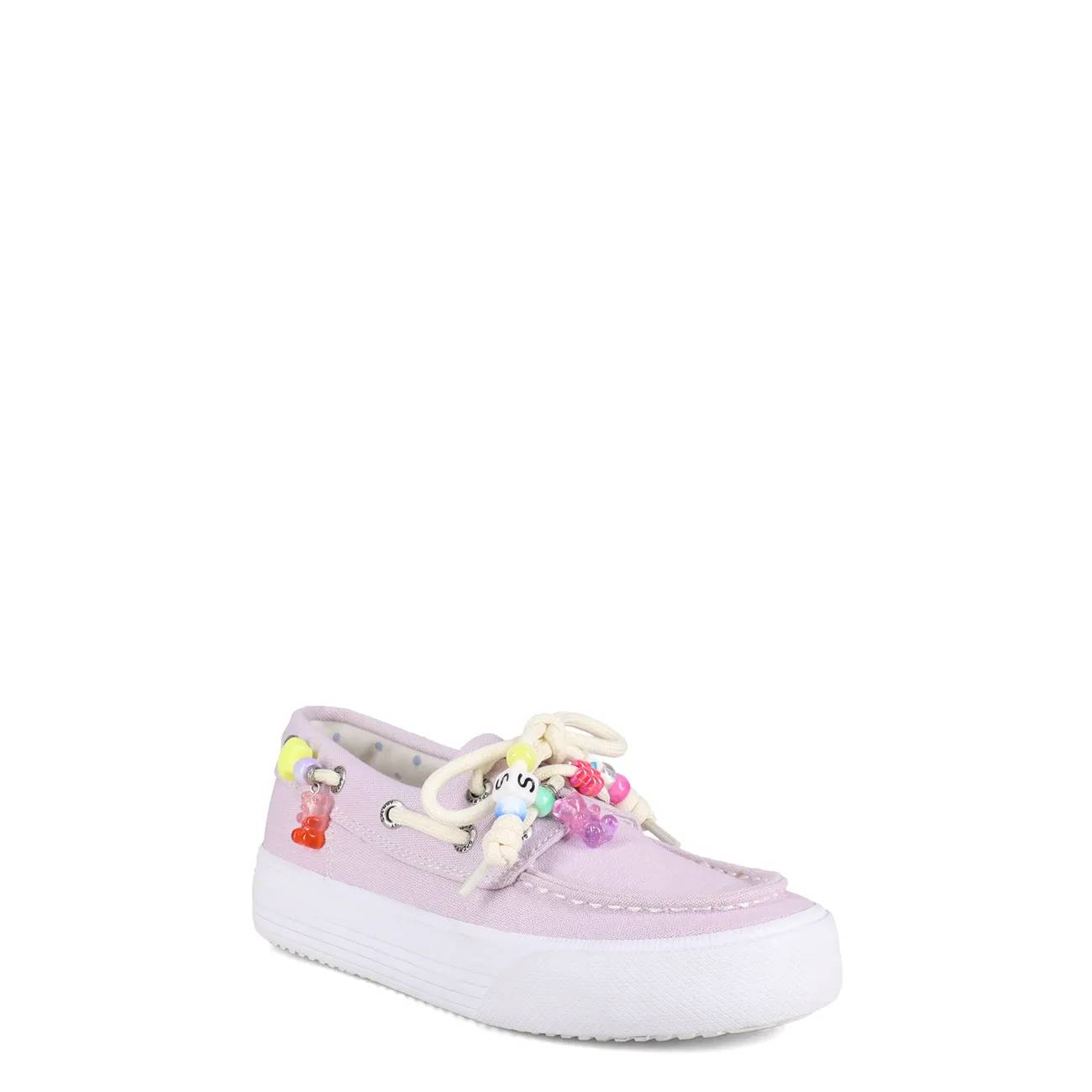
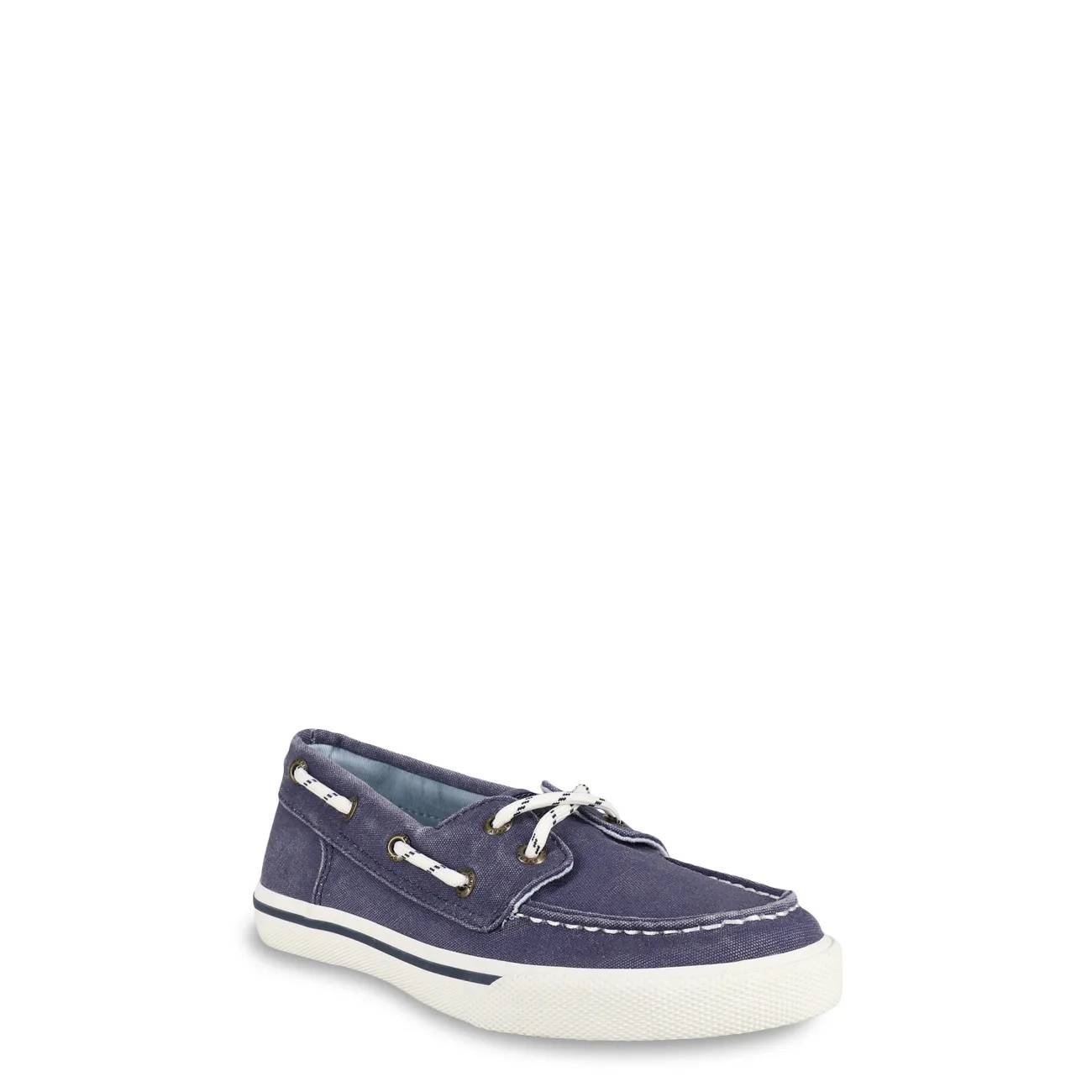
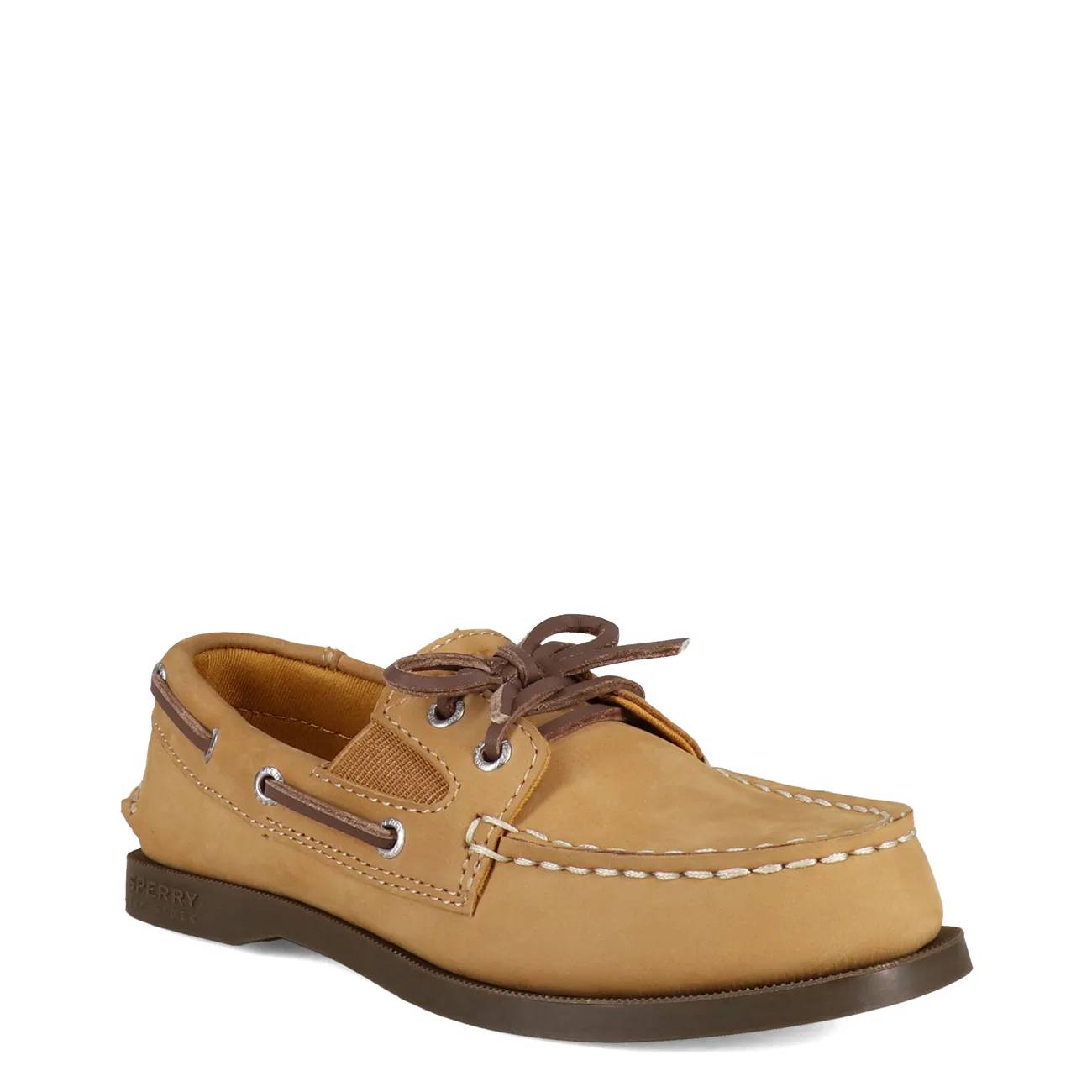
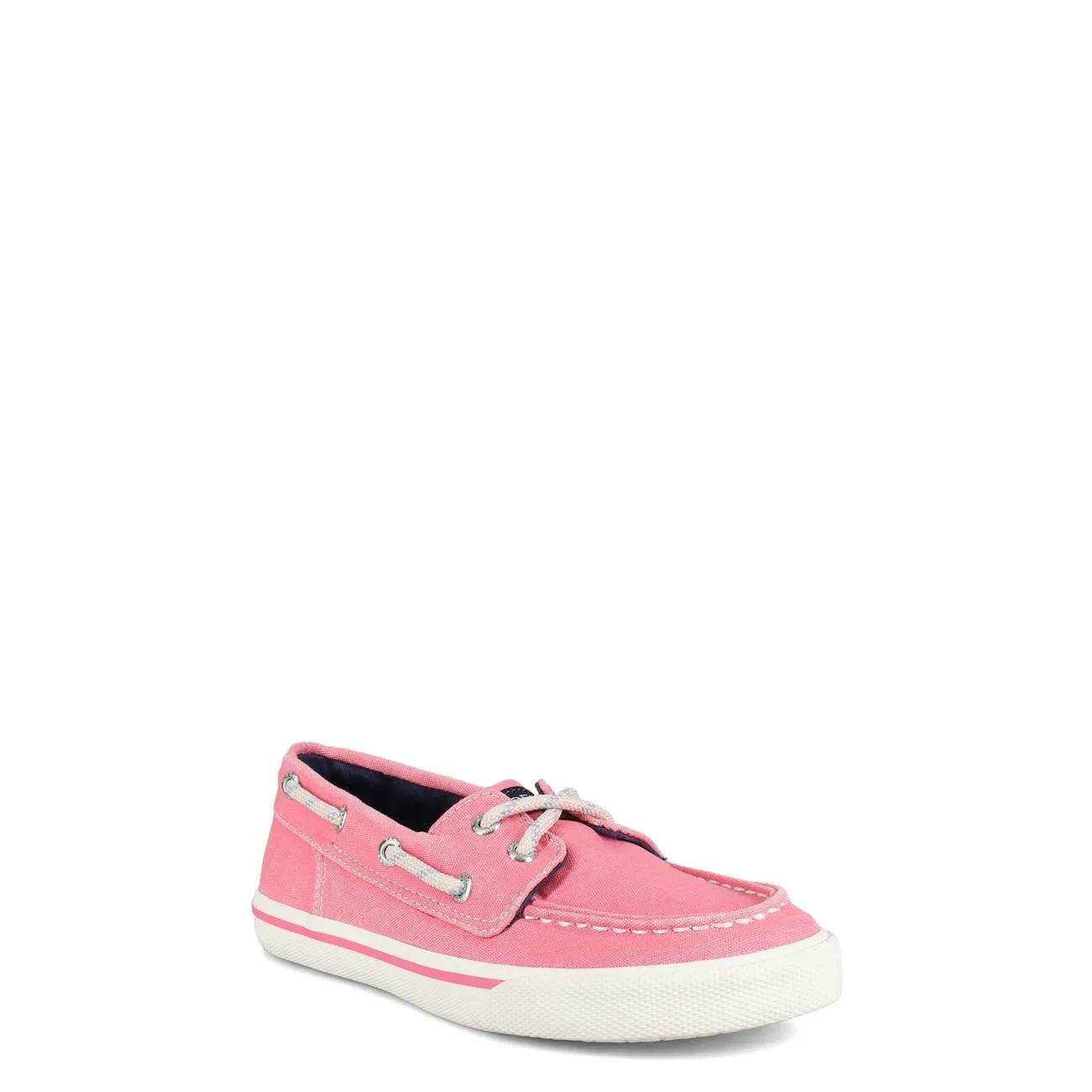
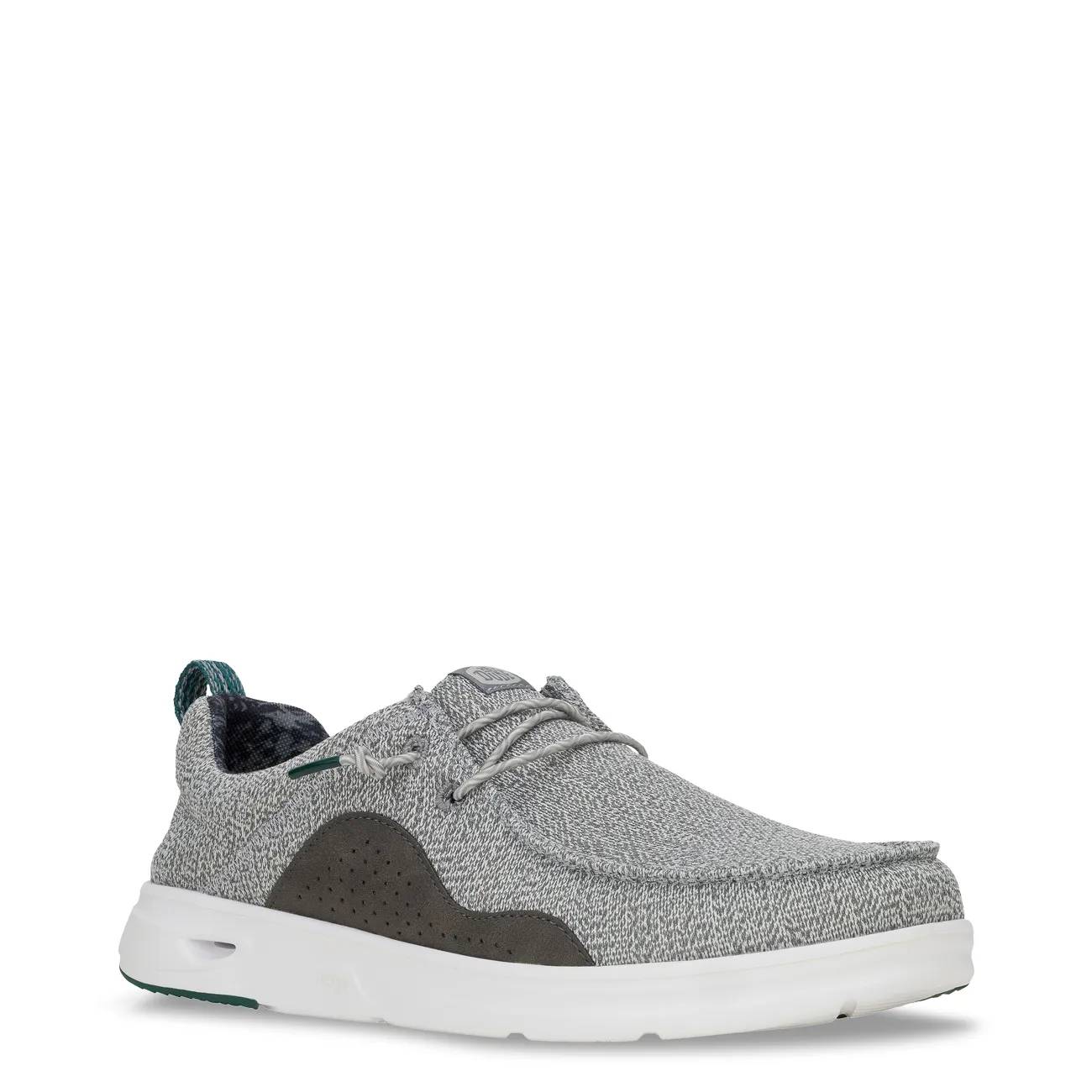
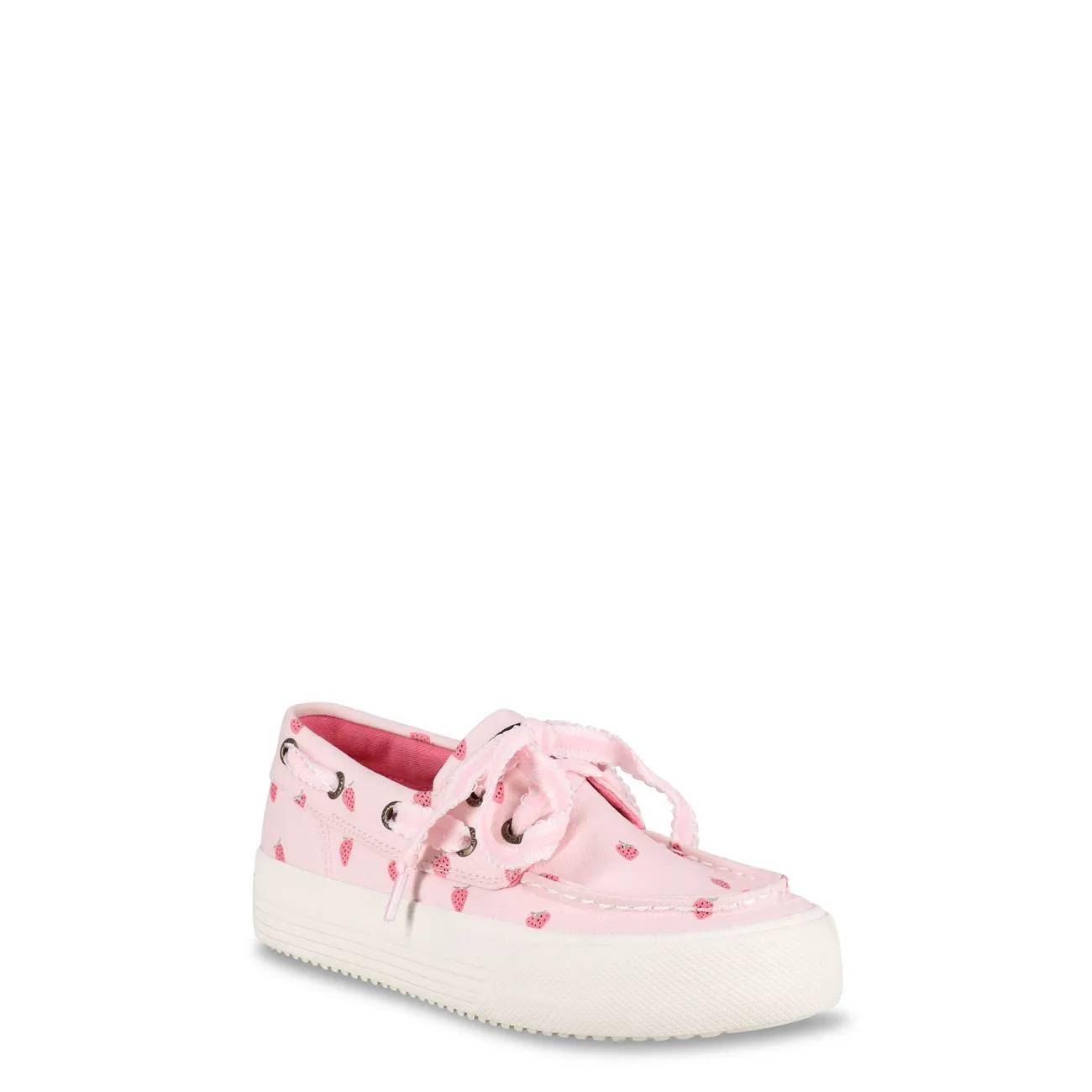
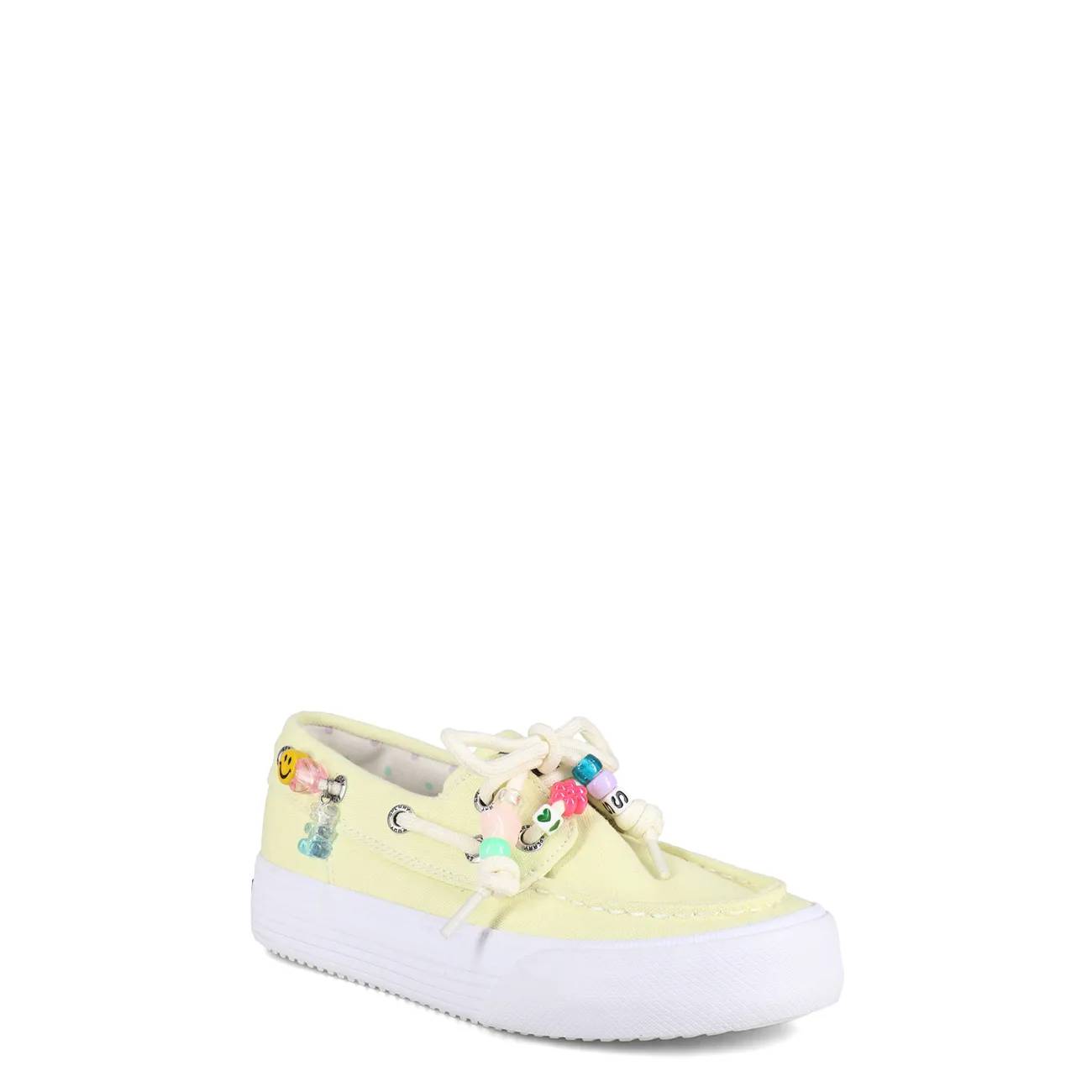
A traditional boat shoe uses a two-eyelet or three-eyelet lacing system, a leather upper, and a hand-sewn moccasin toe. Some versions swap smooth leather for canvas or suede, trading water resistance for a lighter, more casual look. The sole matters most: siped rubber with a herringbone or wave pattern channels water away from the tread instead of trapping it. Slip-on styles skip the laces but keep the same siped sole.
Sizing on boat shoes tends to run true, though leather uppers stretch slightly as they break in.
Choosing the Right Fit
A boat shoe should fit snug at first, since the leather relaxes over the first few wears and loosens around the instep. Look for a padded collar and a moisture-wicking lining if the shoe will see bare feet often, since boat shoes rarely get worn with socks. Width matters more than length here. A shoe too wide at the heel will slip with every step, even if the toe box fits fine.
When to Wear Them
Summer in most of Canada runs about three months, so a shoe built for wet, warm conditions gets steady use in that window. Boat shoes handle a day at the cottage or a walk along a waterfront without much upkeep. Leather uppers wipe clean, and non-marking soles won't scuff a boat deck or a hardwood floor. They hold up better than sandals on uneven or wet ground.
FAQ
What are boat shoes actually good for? Boat shoes are built for wet, slippery surfaces like docks and boat decks, thanks to siped rubber soles that channel water away from the tread.
Do boat shoes run true to size? Most boat shoes fit true to size at purchase, though leather uppers loosen slightly around the instep as they break in.
Can boat shoes be worn without socks? Yes. Boat shoes are built for bare feet, and many styles include a moisture-wicking lining or padded collar to make that comfortable.